- According to Mohammad Bagher Qalibaf, 7 million Iranians are prepared to engage in a fight against an invasion by the US.
- Iran threatens 18 US technology giants allegedly connected to anti-Tehran activities.
- Regional incidents in Iraq and Saudi Arabia add to the geopolitical strain.
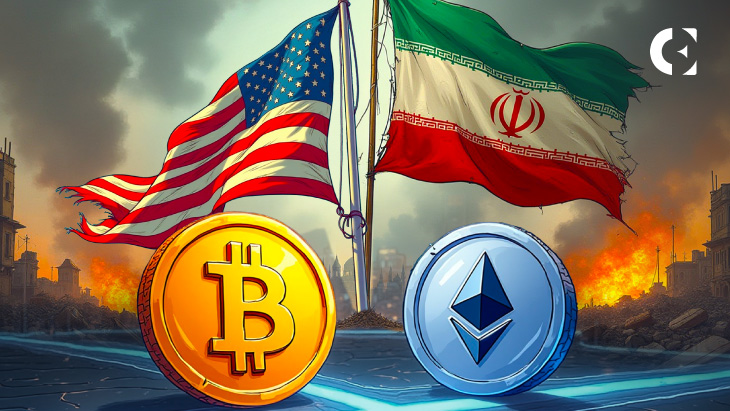
Iran-US tensions are rising again, and crypto traders are back in a headline-driven market. Fresh statements from Tehran, new warnings aimed at major US technology firms, and wider regional incidents are increasing uncertainty across risk assets.
As headlines shift, traders are cutting risk and closing leveraged positions, causing crypto prices to swing quickly amid fears of conflict, oil shocks, and possible escalation.
Iran Hardens Its Message to Washington
Iran’s parliament speaker, Mohammad Bagher Qalibaf, says seven million Iranians are ready to fight any US ground invasion.
In a post on X, he writes, “Right now, in less than a week, a powerful national campaign sweeping the country has brought forward around 7 million Iranians who have already stepped up and declared they’re ready to pick up arms and stand in defense of our nation.”
The figure has circulated on social media for days, but Qalibaf is the first senior Iranian official to repeat it publicly. State media and text campaigns are urging people to volunteer, while retired soldiers are being asked to register interest. Reports also say the Basij force is accepting children as young as 12.
Iran Widens Pressure Beyond Military Lines
The Islamic Revolutionary Guard Corps reportedly warns 18 U.S. technology firms, including Apple, Google, Microsoft, and Meta. The group alleged links to anti-Tehran activities, though the claims remain unverified.
At the same time, regional incidents added pressure. A strike in Iraq killed two fighters from the Popular Mobilization Forces, while explosions in Riyadh increased tension across the Gulf.
These developments widened geopolitical risk and added uncertainty to global markets.
Crypto Traders Brace For Faster Swings
This backdrop usually feeds directly into crypto volatility. Traders tend to cut exposure when geopolitical risk rises quickly, especially when military threats, oil disruptions, and US involvement all move into the same news cycle.
That pattern is especially relevant when the conflict threatens energy routes and broader market sentiment.
If the situation expands further, crypto is likely to trade on headlines, liquidation pressure, and sudden shifts in macro risk appetite rather than on project-specific fundamentals.
Related: Iran Warns of Strikes on 18 US Tech Firms, Including Apple, Google, Meta
Disclaimer: The information presented in this article is for informational and educational purposes only. The article does not constitute financial advice or advice of any kind. Coin Edition is not responsible for any losses incurred as a result of the utilization of content, products, or services mentioned. Readers are advised to exercise caution before taking any action related to the company.