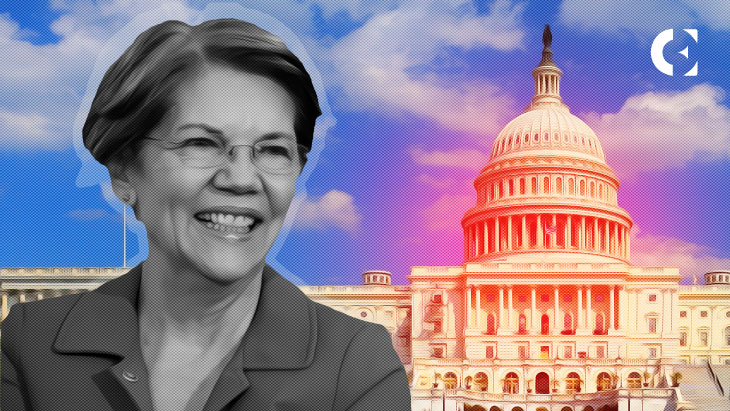
- The US Senate passed the 21st Century ROAD to Housing Act in an 89-10 vote.
- The bill prevents the Fed from issuing or creating a digital dollar through banks or intermediaries.
- House Republicans pushed for a permanent CBDC ban, but Senator Elizabeth Warren refused.
The US Senate has approved a major housing bill that includes a temporary ban on a Federal Reserve central bank digital currency.
The bill blocks the creation of a US digital dollar until Dec. 31, 2030. The measure passed the Senate with an 89-10 vote on March 12, 2026, as part of the 21st Century ROAD to Housing Act.
The legislation focuses mainly on housing supply, limits on large institutional home buyers, and expanded financing for affordable housing.
However, a section near the end of the bill places direct limits on the Federal Reserve, stating that the central bank cannot issue or create a digital currency or any similar digital asset through financial institutions or other intermediaries during the ban period.
Temporary CBDC Ban Moves Through Senate
The bill is one of the strongest congressional actions yet against a government digital currency in the United States.
Lawmakers from both parties supported the measure, which indicates growing political concern about financial privacy and centralized control tied to state-run digital money.
The ban does not permanently block a digital dollar. Instead, it pauses the effort until the end of 2030. Any future attempt to launch a CBDC would require new congressional approval once the restriction expires.
Dispute Over Permanent Ban
Tension quickly followed the Senate vote after it became clear the ban would remain temporary. Several House Republicans wanted the language to permanently block the creation of a CBDC.
Representative Anna Paulina Luna said the Senate version only reached agreement after Senator Elizabeth Warren refused to allow a permanent prohibition in the bill.
That disagreement now places the legislation in uncertain territory as it returns to the House of Representatives.
On the other hand, prominent crypto lawyer John E Deaton slammed Elizabeth Warren’s stance on cryptocurrencies. He went as far as to call Warren’s statements “the single biggest threat to freedom of my lifetime.”
Housing Reforms Remain Core of the Bill
It is important to note that the legislation remains focused on housing policy and introduces restrictions on large institutional investors that purchase single-family homes, a practice many lawmakers blame for driving up home prices.
It also expands financing options for affordable housing projects, reduces regulatory barriers for construction, and increases support for community development initiatives across the United States.
Moreover, the bill must still pass the House of Representatives before it can reach the White House. House lawmakers now face three options: to accept the Senate version, reject it outright, or reopen negotiations over the CBDC provision and other policy sections.
Related: Senate Passes Bipartisan Housing Bill Including Temporary Ban on Fed Digital Currency
Disclaimer: The information presented in this article is for informational and educational purposes only. The article does not constitute financial advice or advice of any kind. Coin Edition is not responsible for any losses incurred as a result of the utilization of content, products, or services mentioned. Readers are advised to exercise caution before taking any action related to the company.