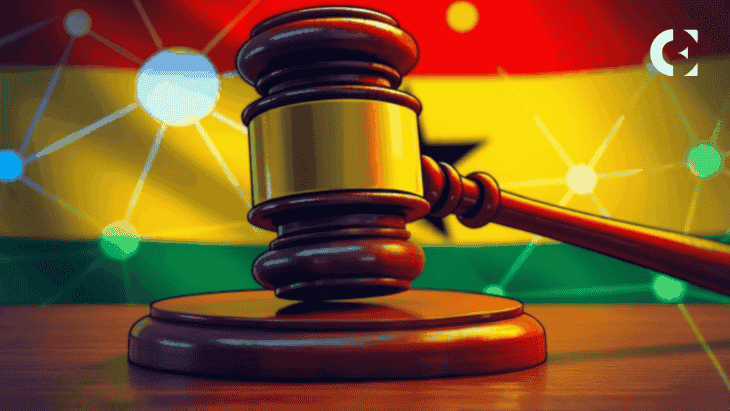
- Ghana’s SEC has admitted 11 crypto companies into a regulatory sandbox.
- The 12-month sandbox allows firms to test digital asset products.
- Companies that meet regulatory standards could transition to full licensing after six months.
Ghana’s Securities and Exchange Commission approved eleven companies to operate inside a new regulatory sandbox. The initiative follows the passage of the Virtual Asset Service Providers Act, 2025, which established a legal framework for crypto businesses operating in the country.
The sandbox allows crypto companies to test products under the supervision of regulators while operating in a controlled environment.
Authorities will monitor compliance, market risks, and investor protections as the pilot unfolds, creating a pathway for Ghana to introduce detailed licensing rules for the industry.
The program represents one of the earliest structured attempts by a West African regulator to balance crypto innovation with financial oversight.
Eleven Crypto Firms Enter the Regulatory Sandbox
The first group of companies admitted into the sandbox includes crypto exchanges, tokenization platforms, and infrastructure providers.
Firms such as Africoin, Blu Penguin, Goldbod, Vaulta, and XChain focus on tokenization and blockchain-based financial services, while exchanges and payment platforms like Hyro Exchange, HanyPay, and WhiteBits plan to test trading and transaction services.
Additional participants such as HSB Global, KoinKoin, and Bsystem also join the cohort, giving regulators a broad cross-section of crypto business models to observe during the trial period.
The sandbox will run for twelve months. After the first six months, companies whose services meet regulatory requirements and demonstrate market readiness may move toward full licensing.
Businesses that require more development time can remain inside the sandbox for the remainder of the program.
Related: Blockchain.com Expands Operations to Ghana in Push for African Growth
Shaping Ghana’s Crypto Rulebook
The initiative also serves as a policy laboratory for Ghana’s digital asset framework.
Data gathered during the trial period will help the SEC develop final guidelines that cover investor protection, market transparency, and anti‑money‑laundering standards. Authorities expect the pilot to clarify how different crypto activities should be regulated and what compliance requirements each category of service provider must meet.
Once the sandbox concludes, the regulator plans to publish detailed licensing guidelines and open the market to a wider group of crypto businesses. The framework places digital asset supervision primarily under the SEC while also requiring companies to coordinate with the Bank of Ghana for certain financial activities.
Related: Ghana Passes Virtual Asset Service Providers Bill to Legalize Crypto
Disclaimer: The information presented in this article is for informational and educational purposes only. The article does not constitute financial advice or advice of any kind. Coin Edition is not responsible for any losses incurred as a result of the utilization of content, products, or services mentioned. Readers are advised to exercise caution before taking any action related to the company.