- Stablecoin licensing puts Hong Kong among Asia’s strictest, boosting confidence.
- Market reforms target T+1 settlement, deeper liquidity, and stronger global capital flows.
- Gold, green finance, and data sharing plans expand Hong Kong’s reach in global markets.
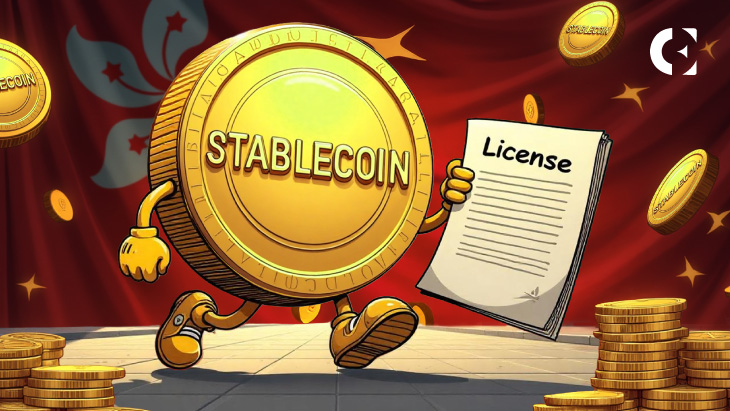
Hong Kong has moved another step closer to becoming Asia’s most regulated digital finance hub as its Stablecoin Ordinance enters full effect and license reviews begin. The announcement came as financial authorities outlined a broader strategy to strengthen market depth, attract global capital, and position the city for the next phase of financial innovation.
Stablecoin Rules Signal Fintech Maturity
The Financial Services and the Treasury Bureau confirmed that the Stablecoin Ordinance, implemented last August, now operates in full. Consequently, the Hong Kong Monetary Authority has started processing license applications from fiat-backed stablecoin issuers.
Authorities described the framework as a way to balance innovation with financial stability. Besides consumer protection, the regime aims to enhance confidence among institutional participants entering digital asset markets.
Additionally, regulators continue to work on new rules for virtual asset trading, custody, and advisory services. Officials expect draft legislation to reach lawmakers this year. Moreover, Hong Kong plans to align with international tax standards by adopting the OECD crypto-asset reporting framework. Hence, tax authorities will exchange crypto transaction data with other jurisdictions from 2028.
Market Reforms Extend Beyond Digital Assets
However, the policy agenda stretches far beyond crypto regulation. Authorities highlighted reforms to reinforce Hong Kong’s equity market competitiveness. These include listing rule adjustments, faster settlement cycles, and expanded access for overseas and mainland firms. Significantly, officials aim to shorten the current T+2 settlement period to T+1, improving capital efficiency and liquidity.
Meanwhile, policymakers continue to promote Hong Kong as a regional wealth and asset management center. Proposed tax enhancements for funds and family offices remain under review. Consequently, officials expect stronger inflows from global investors seeking stable regulatory environments.
Commodities, Green Finance, and Global Outreach
Moreover, authorities outlined ambitions to build a regional commodities hub, starting with gold. Hong Kong plans to expand gold storage capacity above 2,000 tons within three years.
Hence, officials see an opportunity to strengthen pricing influence through closer cooperation with mainland exchanges. The city has also launched a government-owned clearing body to support physical gold trading.
On sustainability, regulators continue developing a local certification framework for green finance. Additionally, the Hong Kong Stock Exchange’s cooperation with regional carbon markets remains underway. Consequently, officials expect stronger cross-border participation in climate-linked products.
Related: Hong Kong Promotes Responsible Crypto Framework at WEF
Disclaimer: The information presented in this article is for informational and educational purposes only. The article does not constitute financial advice or advice of any kind. Coin Edition is not responsible for any losses incurred as a result of the utilization of content, products, or services mentioned. Readers are advised to exercise caution before taking any action related to the company.