- IEA approves historic 400M barrel release to counter Iran war supply disruption.
- The Strait of Hormuz crisis cut exports, prompting the largest coordinated stock release.
- Global oil markets are monitored closely as release aims to stabilize rising prices.
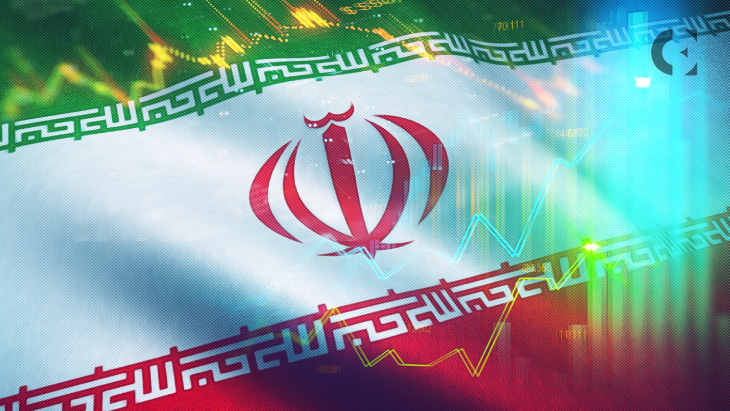
The International Energy Agency (IEA) announced a historic release of 400 million barrels of oil from member countries’ emergency reserves. This unprecedented action aims to stabilize global crude markets following the war in Iran, which began on February 28, 2026. The conflict has sharply reduced oil flows through the Strait of Hormuz, one of the world’s most critical chokepoints, threatening supply and pushing prices higher.
IEA member nations, totaling 32 countries, agreed unanimously to release the oil after an extraordinary meeting called by Executive Director Fatih Birol. The move more than doubles the agency’s previous largest coordinated release of 182 million barrels in 2022, following Russia’s invasion of Ukraine. Members aim to manage supply disruptions while ensuring markets remain functional during the crisis.
Impact on Global Oil Supply
The Middle East conflict has cut export volumes of crude and refined products to less than 10% of pre-war levels. Historically, roughly 20 million barrels per day moved through the Strait of Hormuz, accounting for one-quarter of global seaborne oil trade.
Options to reroute oil around the strait remain extremely limited, forcing many producers to curtail or shut down production. Consequently, the IEA’s emergency release seeks to offset these losses and prevent further price spikes.
Related: Meta Acquires Moltbook, The Social Network Built Only for AI Agents
Members will release oil over time, tailored to each country’s circumstances. Some nations plan to add additional emergency measures to supplement the collective effort.
Combined, IEA governments hold over 1.2 billion barrels in emergency stocks, with another 600 million barrels held by the industry under government obligation. This coordinated effort marks the sixth stock release in the agency’s history, following interventions in 1991, 2005, 2011, and twice in 2022.
Market Response and Future Monitoring
Analysts expect the move to temporarily relieve pressure on crude prices, though the duration of its effect depends on ongoing developments in Iran and the broader Middle East.
Energy security remains a top priority for IEA members, who continue to monitor markets closely. Additionally, the agency plans to issue further guidance as the situation evolves, ensuring governments can respond effectively to potential future disruptions.
Related: Lido Finance to Reimburse Users After Aave CAPO Oracle Misquote
Disclaimer: The information presented in this article is for informational and educational purposes only. The article does not constitute financial advice or advice of any kind. Coin Edition is not responsible for any losses incurred as a result of the utilization of content, products, or services mentioned. Readers are advised to exercise caution before taking any action related to the company.