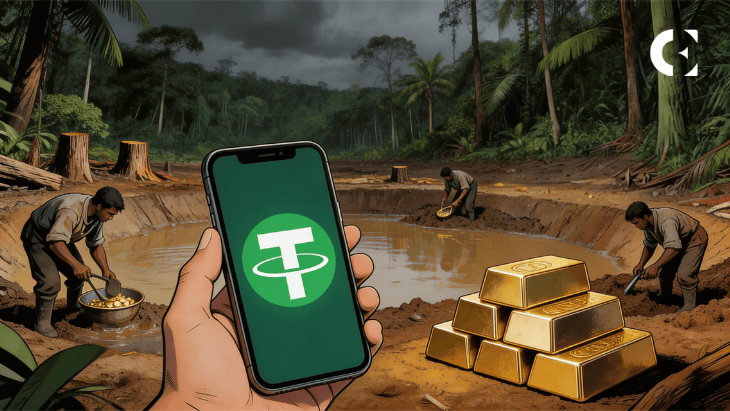
- A report says Venezuela’s illicit gold trade generated about $2.2 billion in 2025.
- Gold from Brazil and Guyana now flows into Venezuela.
- Investigators say some gold shipments from Guyana are exchanged directly for USDT.
Venezuela has become a key market for illegal gold from the Amazon region as part of this trade now settles in the stablecoin USDT. A policy brief from the Global Initiative Against Transnational Organized Crime says illicit gold activity tied to Venezuela generated about $2.2 billion in revenue in 2025.
The report claims that supply routes across Brazil, Guyana and Venezuela have changed as traffickers redirect gold toward Venezuelan buyers.
Venezuela Draws Gold From Brazil and Guyana
For years, illegal gold left Venezuela for foreign markets but not anymore as gold from Brazil and Guyana now enters Venezuela where buyers pay higher prices.
The report says Venezuelan military officials in the Orinoco Mining Arc purchase large volumes of this metal. The premium price attracts traffickers and concentrates supply routes inside Venezuelan territory.
Over the past two decades Venezuela’s gold sector has turned into a system that links political figures, military officials and organized crime groups.
Gold income expanded as oil revenue collapsed, which made mining a major financial source for the state. Armed groups and criminal networks now control many mining zones and transport corridors.
Some Gold Sales Settle in USDT
Investigators say part of the cross‑border trade now settles with cryptocurrency.
Some shipments of gold that arrive from Guyana exchange for USDT, the dollar‑linked stablecoin issued by Tether. These payments allow buyers and sellers to settle transactions without banks.
The use of USDT also moves money outside the traditional financial system which can make sanctions enforcement and financial monitoring more difficult.
In practice, gold moves from remote mining areas in Brazil or Guyana across border zones and then enters Venezuela. Buyers inside the country purchase the metal and settle part of the payment in cryptocurrency.
Related: USDT Price in Venezuela Falls 40% From Around 800 to 500 Bolivars Since January 7 Trading
Boa Vista Becomes a Key Transit Point
The rerouted trade has created new logistics centers in northern Brazil. Boa Vista, the capital of Brazil’s Roraima state, now acts as a major aggregation point. Gold from remote mines moves into the city before transport toward Venezuela.
Traffickers move the metal by road and small aircraft while clandestine airstrips connect isolated mining areas with border crossings and interior routes. Moreover, aircraft networks allow traffickers to alter routes quickly when enforcement pressure rises.
Across the Amazon basin, illegal gold mining networks rely on organized crime groups and corrupt officials. It is important to note that record global gold prices have also increased incentives for illegal extraction.
Related: Venezuela’s National Faces 20 Years Lock-up in U.S.
Disclaimer: The information presented in this article is for informational and educational purposes only. The article does not constitute financial advice or advice of any kind. Coin Edition is not responsible for any losses incurred as a result of the utilization of content, products, or services mentioned. Readers are advised to exercise caution before taking any action related to the company.