- Iran is seeking a $1-per-barrel toll on oil cargoes transiting the Strait of Hormuz.
- The reported process requires ships to email cargo details before Iranian authorities assess and clear passage.
- Oil prices fell sharply after the ceasefire announcement, though analysts still see lingering supply.
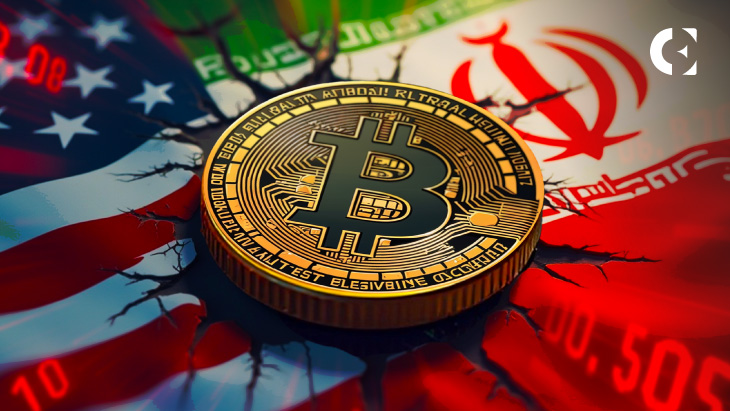
Iran is moving to charge oil tankers a transit toll through the Strait of Hormuz, with payments reportedly requested in cryptocurrency during the two-week ceasefire with the United States. The report that cites Hamid Hosseini, a spokesperson for Iran’s Oil, Gas, and Petrochemical Products Exporters’ Union, says the fee would equal $1 per barrel of oil on board.
The reported plan adds a new layer of control over one of the world’s most important energy chokepoints. It also keeps crypto in the center of a live geopolitical and sanctions story as Tehran looks for payment rails that are harder to freeze or intercept.
Iran Adds a Crypto Toll to Hormuz Transit
According to the reported framework, ships must first email Iranian authorities with details of what they are carrying. Iranian officials then assess the cargo and give vessels only a brief window to complete payment in bitcoin or another cryptocurrency before passage.
Hosseini told the Financial Times, as quoted in secondary reporting, “Once the email arrives and Iran completes its assessment, vessels are given a few seconds to pay in bitcoin, ensuring they can’t be traced or confiscated due to sanctions.” He said the checks are to stop weapons from passing through the Strait and that Iran is not in a hurry, but each vessel will take time.
That approach follows earlier reporting that Tehran had already imposed a broader toll-and-clearance system in the waterway during the conflict. The Wall Street Journal reported that Iran had effectively turned the passage into a politically controlled corridor, with ships required to clear Iranian oversight before transit.
Ceasefire Opens the Strait Only Under Iranian Control
Reuters reports that Iran may reopen the Strait of Hormuz in a limited and controlled way on Thursday or Friday ahead of a meeting with U.S. officials in Pakistan. Under that arrangement, ships would still need to coordinate with the Iranian military.
That means the ceasefire does not restore normal traffic conditions. Iran’s ambassador to the U.N. in Geneva told Reuters that passage would remain subject to Iranian military coordination and stricter rules during the truce.
The market has already started reacting to that narrower reopening path. Reuters reported that the U.S.-Iran ceasefire announcement pushed Brent down to about $94.44 and WTI to about $95.03, though the same report noted that the strait remained closed in practical terms due to Iranian naval threats and slow-moving reopening terms.
Oil Falls, but Energy Risk Stays in the Market
Oil prices have come off their peaks after the truce announcement, but analysts still expect a lasting risk premium. Reuters Breakingviews said the war had already left structural damage across the energy system and warned that tolls, disrupted supply chains, and depleted reserves could keep prices well above prewar levels.
That backdrop matches the tone of recent market coverage around the strait. The route normally handles about 20% of global oil flows, so even a partial reopening under Iranian terms is not the same as a full return to normal shipping.
For crypto, the development adds another real-world use case under sanctions pressure. It also sharpens the link between digital assets, energy security, and geopolitics at a moment when Tehran is trying to keep control of Hormuz while still extracting revenue from ships that pass through it.
Related: Iran Cuts Off U.S. Diplomacy Ahead of Strait of Hormuz Deadline
Disclaimer: The information presented in this article is for informational and educational purposes only. The article does not constitute financial advice or advice of any kind. Coin Edition is not responsible for any losses incurred as a result of the utilization of content, products, or services mentioned. Readers are advised to exercise caution before taking any action related to the company.