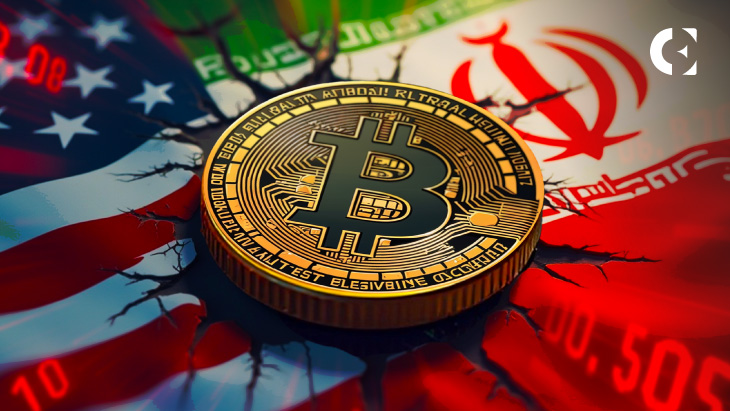
- Iran rejects temporary ceasefire as Trump deadline nears, raising tension in the Strait of Hormuz.
- Oil prices surge toward $110 per barrel amid risk of blocked shipping and possible strikes.
- Bitcoin and markets face volatility as investors react to escalating U.S.-Iran conflict.
Tensions between Donald Trump and Iran have reached a critical point. Tehran rejected a proposed temporary ceasefire tied to reopening the Strait of Hormuz. Notably, the rejection comes just as Trump’s deadline approaches, with strong warnings of major strikes on Iranian infrastructure if shipping routes remain blocked.
With global energy flows at risk, the next few days could shape not only geopolitics but also financial markets and crypto.
Why Iran Rejected the Ceasefire?
Iran has made it clear it does not want a short-term pause. Instead, it is demanding a permanent end to hostilities and is pushing back against what it sees as pressure tactics.
The Strait of Hormuz remains the key issue. This narrow waterway handles around 20% of the global oil supply. Its disruption has already pushed oil prices sharply higher. Iran controls critical access points and has used this leverage throughout the conflict.
At the same time, military actions have continued. This shows that despite ongoing talks through mediators, both sides are still preparing for escalation.
What May Happen Next?
There are ongoing behind-the-scenes talks, and both sides may still find a way to step back. A short-term agreement or partial reopening of the strait could give sides room to negotiate further. This is the most positive outcome for markets.
Meanwhile, the second is limited escalation. The U.S. and its allies could carry out targeted strikes on energy and transport infrastructure. Iran would respond, keeping tensions high.
If neither side backs down, the conflict could expand across the region. This would disrupt oil flows further and pull in more countries. While this is less likely in the immediate term, it is the biggest risk.
Oil Is the Key Driver
Oil is at the center of everything. Prices have already surged close to $110 per barrel due to the disruption. If the Strait of Hormuz remains blocked or strikes begin, oil could move even higher. Some analysts are already pointing to $200 or more in a worst-case scenario.
On the other hand, any sign of a ceasefire or reopening would likely cause a sharp drop in oil prices. Because oil directly affects inflation, its movement will shape how all other markets react.
Stock Markets Face Pressure
Equity markets usually struggle during geopolitical tension like this. Higher oil prices increase costs for businesses and raise inflation concerns. This makes it harder for central banks to cut interest rates, which investors typically want.
If strikes happen, stock markets such as the S&P 500 and Nasdaq could see a sharp pullback. However, if a deal is reached, markets may rally quickly on relief.
Bitcoin and Crypto Reaction
Bitcoin has shown mixed behavior during this conflict. At times, it acts like a risk asset, falling when fear rises. During earlier escalations, Bitcoin dropped several percent as traders moved to safer positions.
But Bitcoin can also behave like a hedge. When instability continues over time, some investors turn to it as an alternative to traditional systems.
Right now, Bitcoin is trading in a sensitive range and reacting quickly to headlines. If a ceasefire is reached, Bitcoin will likely rise alongside stocks. Improved confidence usually brings money back into risk assets, and crypto benefits from that.
If the conflict continues in a limited way, Bitcoin may stay volatile but stable overall. It could move up and down with news while holding its broader range.
Moreover, if there is a major escalation, Bitcoin could drop sharply at first. This is because investors often sell everything during panic. However, if the crisis continues, Bitcoin may recover as concerns about inflation and global stability grow.
Related: Bitcoin Hits $70K Amid U.S.-Iran Ceasefire Plan: Will BTC Reach $80,000?
Disclaimer: The information presented in this article is for informational and educational purposes only. The article does not constitute financial advice or advice of any kind. Coin Edition is not responsible for any losses incurred as a result of the utilization of content, products, or services mentioned. Readers are advised to exercise caution before taking any action related to the company.