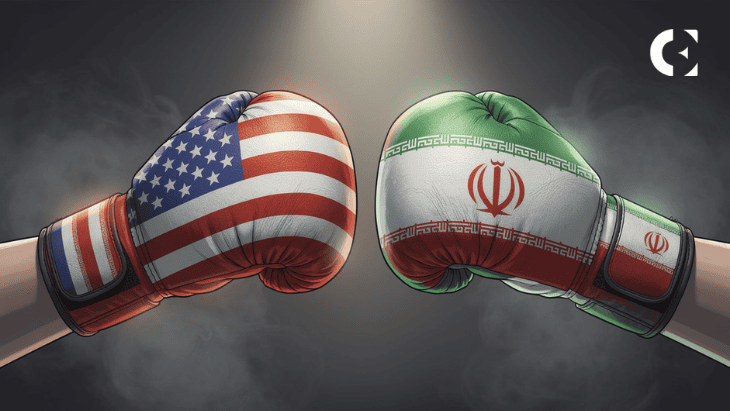
- Iran rejects U.S. ceasefire, insisting negotiations occur strictly on its own terms.
- Tehran demands a full halt to attacks, reparations, and control over the Strait of Hormuz.
- Ongoing strikes disrupt U.S. operations, signaling Iran won’t ease pressure soon.
Iran has formally rejected the latest 15-point ceasefire proposal from the United States and has outlined its own five conditions for ending the ongoing conflict. Tehran said negotiations will only begin after its demands are met, signaling prolonged tensions that could influence oil markets and risk assets, including crypto.
Iran Rejects Ceasefire and Lists Five Conditions
Among Iran’s key conditions is a complete halt to attacks and assassinations against Iranian officials. The country also demands concrete guarantees preventing future military aggression. These guarantees aim to ensure that no party can reimpose conflict on Iran in the future.
Additionally, Tehran seeks explicit acknowledgment and legal recognition of its authority over the Strait of Hormuz. The strategic waterway remains a core national interest, which Iran views as central to enforcing compliance from other nations.
Moreover, Iran is demanding clear determination and guaranteed payment for war damages caused by previous attacks. This financial stipulation highlights Tehran’s focus on securing reparations before agreeing to any ceasefire.
The conditions also extend to all Iranian-backed groups operating in the region, insisting that the end of the conflict applies to every front. By linking the war’s cessation to its broader regional influence, Iran reinforces the strategic importance of its demands.
Response and Regional Implications
The Iranian leadership insists that the war will end when it decides, not according to U.S. expectations. Senior officials argue that previous negotiations in 2025 were misleading and often followed by renewed military aggression. Consequently, Tehran views the latest U.S. overture, delivered through a regional intermediary, as insufficient and disconnected from battlefield realities.
The conflict initially escalated on February 28, coinciding with indirect nuclear talks, with targeted assassinations of high-ranking Iranian leaders and military commanders.
Since then, Iranian forces have carried out nearly 80 waves of retaliatory strikes against American and Israeli assets across the Middle East. These strikes have significantly disrupted U.S. military operations and infrastructure.
Meanwhile, Washington has sought regional support to persuade Tehran to halt its counterattacks and allow safe passage for American vessels through the Strait of Hormuz. However, Iran remains firm, signaling that negotiations will only commence once all five conditions are fully accepted.
Related: Ripple CTO Explained Why He Will Never Pay Banks to Use XRP
Disclaimer: The information presented in this article is for informational and educational purposes only. The article does not constitute financial advice or advice of any kind. Coin Edition is not responsible for any losses incurred as a result of the utilization of content, products, or services mentioned. Readers are advised to exercise caution before taking any action related to the company.