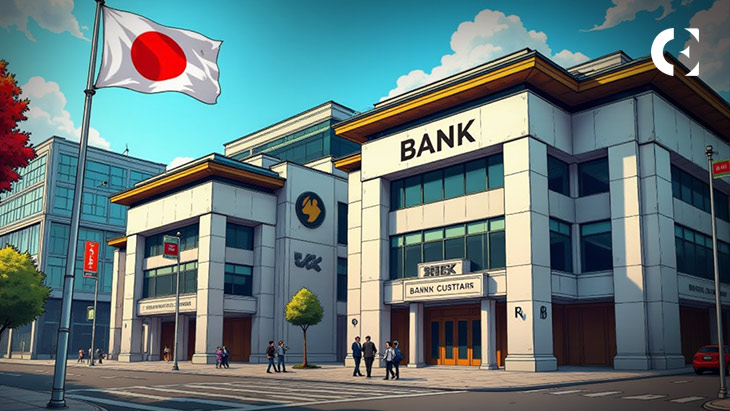
- BOJ has been one of the most aggressive central banks in terms of asset purchases, owning one of the biggest collections of ETFs globally
- In September, it had already laid out a plan for selling its ETFs and Japan real estate investment trusts (J-REITs)
- There are a lot of predictions that the BOJ will raise its policy interest rate from 0.50% to 0.75% at its December 18-19 meeting
The Bank of Japan (BOJ) is reportedly preparing to pull the plug on decades of artificial market support, with plans to begin offloading its colossal ¥83 trillion ($534 billion) ETF portfolio as early as January 2026. This strategic shift marks the final reversal of Abenomics, transforming the central bank from the stock market’s biggest buyer into a net seller.
Why did the BOJ start buying ETFs in the first place?
In terms of asset purchases, BOJ has been one of the most aggressive central banks. It owns one of the biggest collections of ETFs globally, bought over many years to prop up the stock market and help the economy grow. Some estimates suggest that disposals could extend for decades, given the size of the holdings.
In September, BOJ had already laid out a plan for selling its ETFs and Japan real estate investment trusts (J-REITs). It aims to sell around ¥330 billion per year in ETF book value (roughly ¥620 billion on a market value basis), while trying to minimize market disruption. The plan allows the bank to adjust the pace depending on how the markets are doing.
Related: Top 7 Token Unlocks to Watch This Week as Crypto Market Braces for Bank of Japan Rate Hike
Interestingly, the news comes as the Japanese yen has gotten stronger just before central bank announcements. This is seen as a sign that traders are already reacting to the expectation that the Bank of Japan is pulling back from its long-running stimulus policies.
BOJ’s pivot to policy normalization and rate hikes
There are a lot of predictions that the BOJ will raise its policy interest rate from 0.50% to 0.75% at its December 18-19 meeting, which is a rare move toward higher rates. Most also expect the bank to continue raising rates next year.
The institution’s Governor, Kazuo Ueda, noted that long-term interest rates have risen faster than expected, a sign that financial conditions are getting tighter and inflation goals may be within reach. This represents another reason for the bank to start pulling back its economic support.
Experts, including strategists from BlackRock, are warning that if the BOJ lags in responding to inflation, markets face a “behind the curve” rate risk. In other words, interest rates and inflation could rise faster than the bank’s response, potentially causing instability in both stock and bond markets.
Related: End of “Free Money”: Rising Japanese Yields Threaten Global Markets and Crypto
Disclaimer: The information presented in this article is for informational and educational purposes only. The article does not constitute financial advice or advice of any kind. Coin Edition is not responsible for any losses incurred as a result of the utilization of content, products, or services mentioned. Readers are advised to exercise caution before taking any action related to the company.