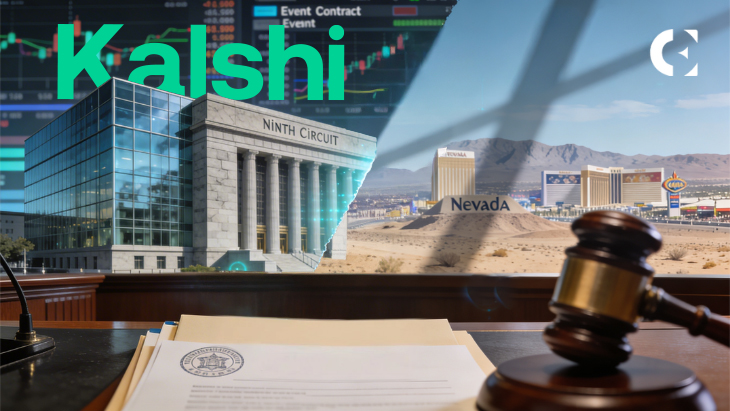
- Ninth Circuit denied Kalshi’s emergency stay, enabling Nevada to begin enforcement actions.
- Nevada regulators say Kalshi sports contracts resemble unlicensed sports betting under state law.
- Federal judge dissolved earlier injunction, rejecting Kalshi’s claims of exclusive federal oversight.
Kalshi, a federally regulated prediction-market exchange, has suffered another legal setback after the Ninth Circuit Court of Appeals rejected its emergency request for an administrative stay. The decision clears the way for Nevada regulators to begin civil enforcement action against the company, potentially as early as today. Legal experts say a temporary restraining order (TRO) could be issued within the next few days.
What The Ruling Means
An administrative stay would have temporarily paused enforcement actions while the appeal process continued. With that request denied, Nevada authorities are now free to pursue state-level legal action against Kalshi, which could include court orders restricting the platform’s operations in the state.
Kalshi is expected to take its fight to the U.S. Supreme Court’s emergency docket. The company may ask the Court to issue its own administrative stay to maintain the current situation until the appeals court fully decides on the broader stay request.
Why Nevada is Challenging Kalshi
The dispute centers on Kalshi’s “event contracts,” including contracts tied to sports outcomes. Nevada regulators argue that these products function like sports betting and therefore fall under state gaming laws. Because Kalshi is not licensed as a sportsbook in Nevada, regulators previously issued a cease-and-desist order.
Earlier this year, Kalshi temporarily blocked enforcement after securing a preliminary injunction. However, that protection was later dissolved by a federal judge, who concluded that Kalshi’s claim, that federal commodities regulators have exclusive authority over its contracts, was not convincing.
The judge ruled that accepting Kalshi’s interpretation would effectively move sports-betting regulation from states to the federal government, contradicting long-standing U.S. gaming law traditions.
Broader Legal Battle Across the United States
Kalshi, which operates under oversight from the Commodity Futures Trading Commission (CFTC), aims to offer its contracts nationwide. Several states, however, argue that sports-related event contracts resemble unlicensed gambling products and therefore fall under their jurisdiction.
Similar legal disputes involving prediction-market platforms are now unfolding across multiple states, and the outcome of these cases could shape how event-based trading products are regulated nationwide.
For now, the Ninth Circuit’s ruling intensifies legal pressure on Kalshi as it considers an emergency appeal to the U.S. Supreme Court that could decide the fate of its nationwide expansion plans.
Related: Only The Federal Government Has The Power To Regulate Prediction Markets: CFTC
Disclaimer: The information presented in this article is for informational and educational purposes only. The article does not constitute financial advice or advice of any kind. Coin Edition is not responsible for any losses incurred as a result of the utilization of content, products, or services mentioned. Readers are advised to exercise caution before taking any action related to the company.