- SEC approved the Nasdaq rule to enable tokenized settlement of stocks under the existing market structure.
- Execution stays centralized, liquidity unified, and tokenization runs in the background.
- For now, the SEC keeps tight control, and tokenized securities must follow all existing laws.
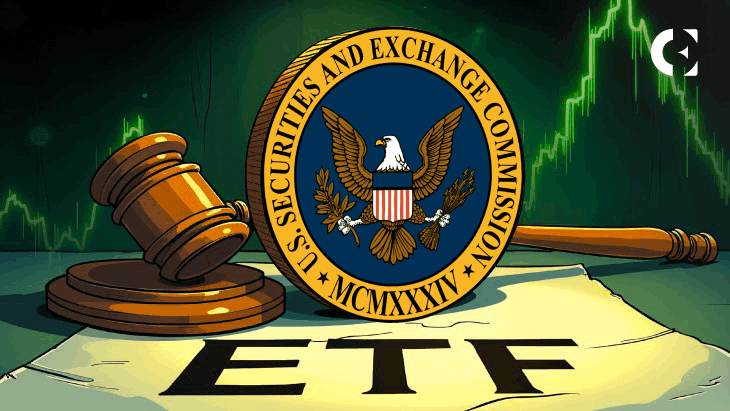
The US Securities and Exchange Commission (SEC) has approved a rule change allowing Nasdaq to support trading and settlement of securities in tokenized form. The decision, signed on March 18, 2026, opens a direct path for blockchain-based settlement inside US equity markets.
Nasdaq first filed the proposal in September 2025. The approval confirms that tokenized securities can operate under existing US securities laws without changes to market structure.
How Tokenized Settlement Will Work
Under the new framework, trades will continue to execute as usual, but settlement can take place in tokenized form using blockchain infrastructure.
Participants can opt for tokenized settlement through a specific order flag at the time of trade execution.
After execution, settlement instructions are routed to the Depository Trust Company (DTC), a subsidiary of the Depository Trust & Clearing Corporation (DTCC). DTC will manage token minting, blockchain selection, and wallet allocation.
If anything fails in that process, the system automatically reverts to traditional settlement without disrupting the trade.
No Change to Market Structure or Pricing
The SEC noted that tokenization will operate in the background without altering how markets function.
Tokenized shares will trade on the same order book as traditional shares, with identical pricing, priority, ticker symbols, and CUSIP identifiers. There will be no separate market, premium, or discount layer.
Settlement timing remains T+1 while fees, market data, and surveillance systems remain unchanged.
Pilot Limited to Russell 1000 and Major ETFs
The rollout will begin with a tightly controlled pilot program to minimize risk and maintain liquidity.
Eligible securities will initially include stocks from the Russell 1000 Index, along with major ETFs tracking benchmarks such as the S&P 500 and Nasdaq-100.
The SEC has not specified the duration of the pilot. However, Nasdaq is expected to announce the final list of eligible securities and provide at least 30 days’ notice before launch.
It is important to note that tokenization does not change ownership rights. Each tokenized share must be fully interchangeable with its traditional version.
Investor Protections Remain Unchanged
The SEC also made a strict condition for approval, i.e., investors receive identical dividends, voting rights, and claims on assets.
Regulators also confirmed that existing surveillance and reporting systems will remain in place, maintaining full compliance with current securities laws.
At the same time, the Intercontinental Exchange (ICE), parent of the New York Stock Exchange (NYSE), is also working on tokenized trading systems and seeking approvals.
Disclaimer: The information presented in this article is for informational and educational purposes only. The article does not constitute financial advice or advice of any kind. Coin Edition is not responsible for any losses incurred as a result of the utilization of content, products, or services mentioned. Readers are advised to exercise caution before taking any action related to the company.