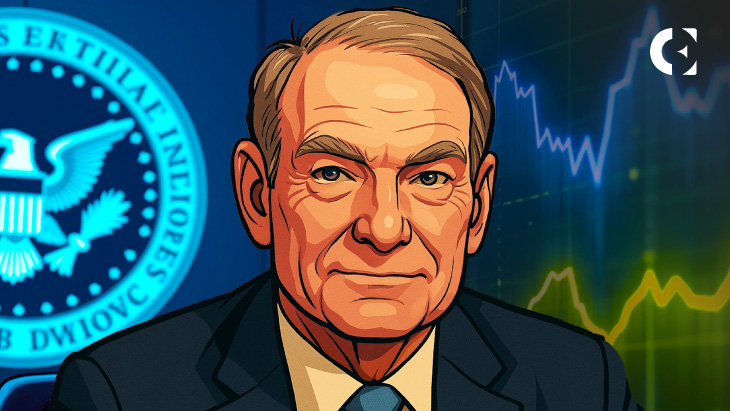
- SEC Commissioner questioned the benefits of tokenized securities at an advisory meeting.
- Commissioner raised concerns about wrapped securities lacking clear ownership rights.
- The debate centered on whether blockchain technology justifies reduced regulations.
An SEC Investor Advisory Committee meeting caused debate between traditional finance regulators and the cryptocurrency community over decentralization regulation. Commissioner Caroline A. Crenshaw raised questions about tokenized equity products and whether blockchain-based assets warrant different regulatory treatment.
The Commissioner addressed challenges associated with tokenized equity products during the meeting. Tokenization raises major issues regarding how tokenized securities could be issued, traded, cleared, and settled, according to the official’s remarks. Changing established regulatory standards to accommodate these processes could carry risks to market integrity and investors.
Questions Raised About Wrapped Security Structure
Tokenized equities are commonly marketed as “wrapped securities” that provide exposure to underlying assets. Some products claim to expand access to assets like private company shares that typically remain inaccessible to retail investors. However, the Commissioner stated these tokenized products differ substantially from the underlying assets they supposedly track.
Ownership rights and entitlements remain different, often unclear, and potentially entirely disconnected from the issuer of the underlying asset. These products generally offer less liquidity than traditional securities and present greater challenges for pricing and trading.
Commissioner Questions How Investors Can Evaluate Risks
The commissioner questioned how investors or advisors can fairly evaluate the risks of wrapped tokenized securities. The official asked whether regulatory requirements should be relaxed simply because a product exists on a blockchain. The remarks questioned whether wrapped tokenized securities offer clear benefits to investors that justify heightened risks.
The most pressing question addressed what the tokenization of equities in secondary markets actually aims to achieve. Suppose the purpose involves improvements to settlement efficiency, which presents a different use case from allowing tokenized equities to trade without front-end investor protections. The latter scenario could create an environment for regulatory arbitrage at the expense of traditional equity markets.
The commissioner emphasized that if the new ecosystem fails to provide common market transparency about pricing or visible customer protections, the goals and likely outcomes remain unclear. These questions show the divide between traditional finance regulators focused on investor protection and cryptocurrency advocates promoting decentralized systems with reduced oversight.
The meeting followed a year of changes to the corporate governance landscape at the SEC. Staff rescinded guidance, making it easier to exclude shareholder proposals, determined not to weigh in on most no-action requests, and issued policy statements affecting shareholder litigation rights.
Related: Kraken And Deutsche Börse Link Crypto, FX And Tokenized Assets
Disclaimer: The information presented in this article is for informational and educational purposes only. The article does not constitute financial advice or advice of any kind. Coin Edition is not responsible for any losses incurred as a result of the utilization of content, products, or services mentioned. Readers are advised to exercise caution before taking any action related to the company.