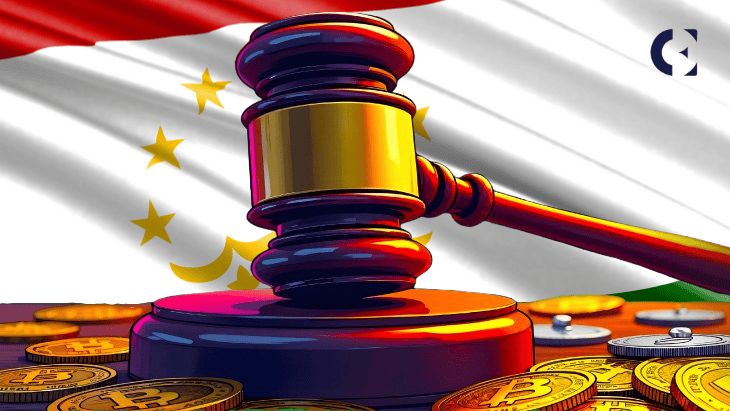
- Crypto mining with stolen electricity will soon carry a penalty in Tajikistan.
- The policy aims to curb rising energy theft tied to illegal mining hotspots.
- Authorities seek to protect Tajikistan’s fragile power grid by tightening enforcement.
Tajikistan will impose strict punishment on the use of stolen electricity in cryptocurrency mining amid power shortages. Lawmakers approved amendments to the Criminal Code that introduce a new article covering the “illegal use of electricity for the production of virtual assets.”
Authorities continue to uncover mining farms secretly connected to the grid in both homes and commercial sites, as per local reports.
Under the new law, individuals who power mining hardware with stolen electricity face fines of from $1,650-$4,000. Cases involving coordinated groups carry higher penalties of up to $8,250, along with possible jail terms of 2-5 years.
These penalties will take effect once the bill is signed by President Emomali Rahmon and published in the country’s official gazette.
Related: Turkmenistan Legalizes Crypto Mining but Bans Use for Payments
$3.5M in Losses
Tajik officials say the rise in illegal mining has added to the nation’s electricity shortages, especially during the winter months. Prosecutor General Khabibullo Vokhidzoda told lawmakers that unauthorized crypto farms have already caused about $3.5 million in losses.
His office is currently pursuing multiple criminal cases linked to miners bypassing meters, smuggling equipment, and drawing energy without payment.
Members of parliament said that a single mining device can consume several kilowatt-hours of power, and large farms may operate thousands of machines at once. This puts pressure on Tajikistan’s power grid, which relies heavily on hydropower.
Officials say the country continues to see widespread electricity theft, with nearly 4,000 people currently involved in ongoing investigations over illegal energy use.
Regional Trends and Infrastructure Challenges
The surge in mining activity in Central Asia followed China’s 2021 ban. Many operators left China to countries with lower electricity costs and lighter oversight.
Nations across the region have since struggled to contain the strain on their grids. Kazakhstan tightened regulations and raised electricity rates for miners, while Russia introduced new limits in regions where demand was high.
Kyrgyzstan shut down all mining facilities earlier this year but the restrictions were lifted in November. On the other hand, Tajikistan experiences annual rationing and recurring blackouts and lawmakers are not happy.
Its state energy monopoly carries heavy debt, and the long-delayed Rogun hydropower project has consumed resources worth more than half the nation’s GDP.Officials warn that illegal mining only worsens these pressures, reducing the stability of the grid and undermining efforts to improve energy access for residents.
Related: Tether Exits Uruguay and Scraps $500M Mining Hub After Tariff Talks Collapse
Disclaimer: The information presented in this article is for informational and educational purposes only. The article does not constitute financial advice or advice of any kind. Coin Edition is not responsible for any losses incurred as a result of the utilization of content, products, or services mentioned. Readers are advised to exercise caution before taking any action related to the company.