Bitget Wallet is turning crypto wallets into everyday finance apps, combining payments, stablecoins, and user-friendly tools for daily money use.
For much of crypto’s history, wallets were built around investment behavior. Users logged in to trade, store assets, or connect to exchanges and decentralized protocols. Usage followed market cycles, surging during bull runs and fading during downturns. In this model, crypto was a market to visit, not a system to use daily.
That is changing. As crypto adoption has grown to tens of millions of users worldwide, speculative activity alone is no longer enough. Everyday financial behavior, spending, saving, and transferring funds, is now driving on-chain activity.
In 2025, stablecoin transaction volume on public blockchains reached roughly $33 trillion, while global stablecoin supply grew by more than 50%, surpassing $300 billion. These numbers highlight the growing role of crypto as a medium for real-world transactions, not just trading.
The shift is also visible in spending patterns. Payment volumes via major crypto card programs jumped 525% year on year, while Bitget Wallet reported a 28-fold increase in card spending and a tenfold rise in yield subscriptions.
Users are interacting with crypto repeatedly, using wallets to move money, pay bills, or manage assets. Wallets are no longer side tools tied to market swings as they become the primary interface for daily financial activity, marking a major turning point for the industry.
Why Payments Became the Center of Wallet Design

As crypto moves toward everyday financial use, payments have become the clearest test of usability. Trading and investing are episodic, but payments are habitual. They demand speed, simplicity, and reliability, and any friction is immediately felt by the user.
Stablecoins are at the center of this shift. Their price stability, fast settlement, and global accessibility make them ideal for daily transactions. In 2025, stablecoins accounted for the majority of on-chain transaction volume, embedded across cards, local payment systems, and hybrid fiat-facing rails. Amid this shift, wallets are getting transformed from being a storage tool to an active financial hub.
This transition has forced a rethink in wallet design. Legacy wallets were optimized for balance tracking and protocol access, not daily payments. Every extra step slows users down and discourages habitual use. Wallets that simplify the payment experience, by combining multiple payment rails and giving real-time feedback, are the ones being adopted for everyday life.
Bitget Wallet’s Strategic Pivot to Everyday Finance

Bitget Wallet illustrates this evolution. The platform is no longer just a place to store or trade crypto, it has become a daily finance app for over 90 million users. The redesign focuses on real-world money needs: transferring, spending, and managing funds every day.
Central to this transformation is the Pay hub, a unified interface that brings together crypto cards, QR payments, bank transfers, and in-app shopping. Users can move money, spend it globally or locally, and manage funds efficiently—all while maintaining full self-custody of their assets. Unlike traditional banks, the user retains control of private keys and funds, ensuring security and autonomy.
To understand this impact properly, let’s check the growth data. Crypto card payments rose 525% in 2025, card usage on Bitget Wallet increased 28-fold, and subscriptions for yield products grew tenfold. Global rails like Mastercard and Visa, combined with local QR payments and bank transfers, give users flexibility to spend anywhere without losing control.
Ease of use is a priority. Tools like Dynamic Panel, which delivers live transaction updates, and Today’s View, a swipe-accessible dashboard, make tracking and managing funds intuitive. Wallets are no longer passive storage; they are active accounts used daily.
Wallets as Financial Operating Systems
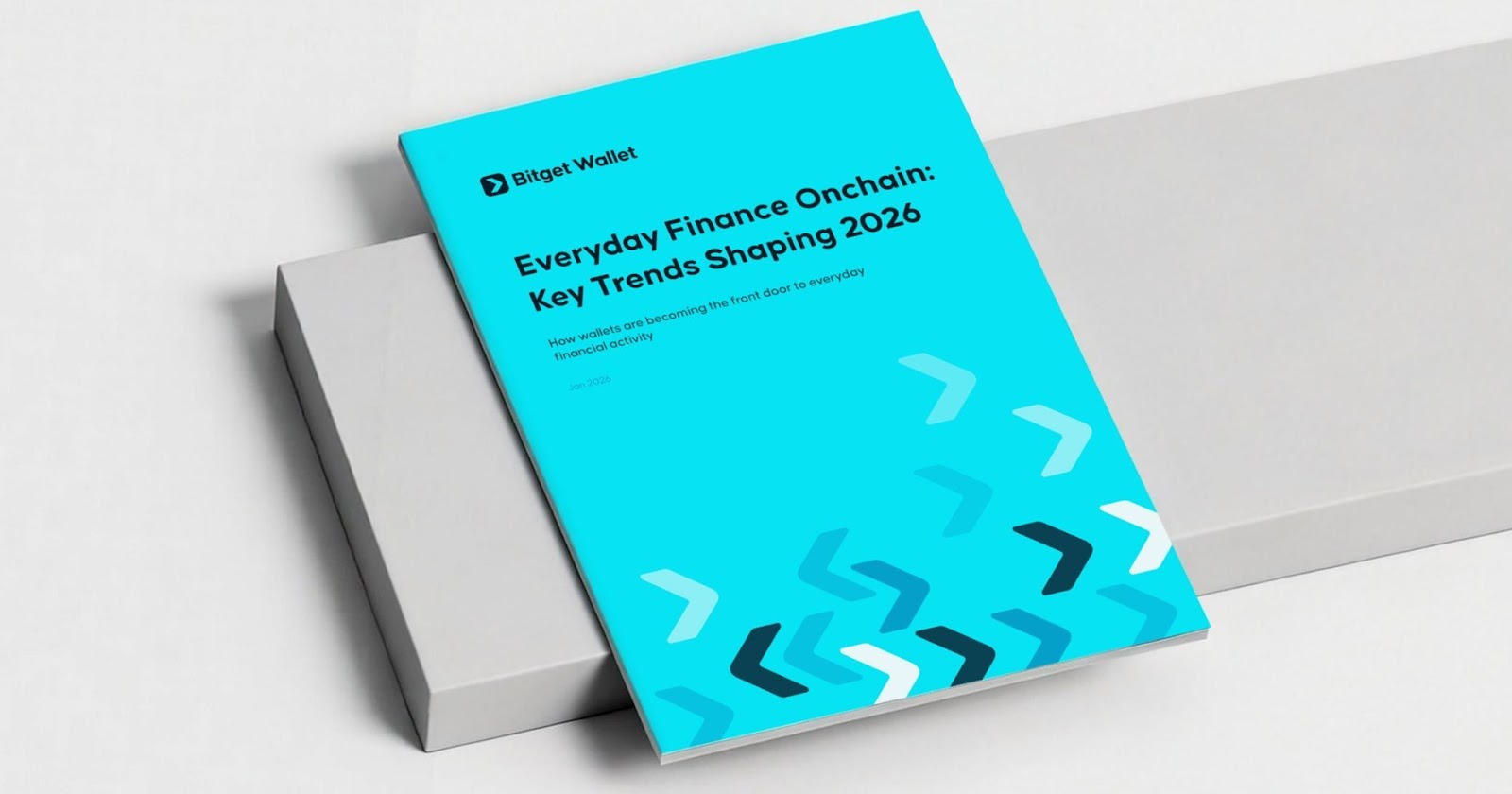
Bitget Wallet’s latest research report shows that the needs of crypto users have evolved. There is a necessity for an app to carry daily financial activities apart from holding crypto to watch prices rise and fall. Users want apps that can pay bills, send money to friends, shop online, earn interest, and keep their information safe. As such, wallets are quickly becoming the go-to place where users manage, move, and grow their money, replacing the need to juggle banks, exchanges, and multiple apps.
Bitget Wallet is leading this change. Today, it combines payments, crypto card spending, stablecoin transfers, in-app shopping, and earning opportunities all in one simple interface.
Users don’t have to switch between apps or deal with complicated steps, they can manage everything from a single dashboard. At the same time, the wallet gives people full control over their money, keeping their funds and private keys in their own hands, a level of freedom that traditional banks rarely offer.
New technology is making wallets even smarter. AI agents can handle transactions automatically, and tools like Know Your Agent (KYA) allow users to safely delegate tasks. Wallets can now monitor activity, make things easier for long-term users, and even unlock smoother access based on habits.
Markets are increasingly accessible through wallets as well. In 2025, decentralized perpetual markets processed trillions of dollars, while prediction markets exceeded $40 billion in annual volume, often routed directly through wallet platforms. This transforms wallets from passive access points into dynamic tools that actively manage user activity.
The Future of Everyday Crypto: Payments, Privacy, and Persistent Use
Crypto is now functioning as a daily financial hub. The next transition focuses on ensuring that transactions, privacy, and user behavior are easily integrated into daily life. The daily surge in habitual on-chain activity is driving wallets to provide continuous usability, secure self-custody, and real-world utility simultaneously.
For this transition to be achieved, privacy roles become even more essential. With wallets increasingly used for frequent transactions, users demand control over their data and financial history. Self-custodial models, like Bitget Wallet’s, ensure users retain ownership of funds and keys, while privacy protocols are layered into transaction flows without adding friction. This approach, thus, protects users and also builds trust, which is critical for long-term adoption.
Similarly, persistent use will only be attained through design and functionality. Features such as Dynamic Panel notifications and Today’s View dashboards, along with unified payment rails, encourage daily engagement by making it easy to track, send, and spend funds.
The broader financial ecosystem is also seeing transformation alongside wallets. AI agents are transacting autonomously, stablecoins are part of multiple payment rails, and decentralized markets are becoming directly accessible within wallets.
These developments are turning wallets into behavioral credit layers, where consistent on-chain activity can unlock lower friction, better rates, and additional access. In other words, wallets are starting to translate habitual use into tangible financial advantages.
The implications for traditional finance are significant. As wallets consolidate payments, asset management, yield, and privacy, they are beginning to compete directly with banks and fintech apps. Users gain speed, borderless access, and full control over their funds, challenging legacy models built around centralized custody and opaque fees.
Conclusion
Crypto wallets are no longer just tools for holding or trading assets. They are becoming primary financial accounts for everyday use. The shift from speculation-driven activity to routine payments, transfers, and asset management marks a critical turning point for the industry.
Bitget Wallet illustrates this change. With over 90 million users, its Pay hub unifies global and local payments, self-custodial control, and habitual on-chain engagement.
Disclaimer: The information presented in this article is for informational and educational purposes only. The article does not constitute financial advice or advice of any kind. Coin Edition is not responsible for any losses incurred as a result of the utilization of content, products, or services mentioned. Readers are advised to exercise caution before taking any action related to the company.