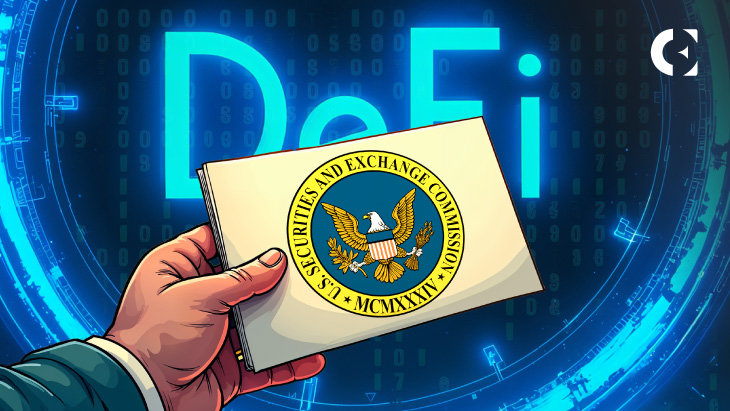
- The Charge: Uniswap founder Hayden Adams accuses Citadel Securities of lobbying the SEC to label smart contract developers as “financial intermediaries.”
- The Document: A Dec 2 Citadel filing argues DeFi protocols effectively function as “Exchanges” and lack “fair access” protections.
- The Risk: The move seeks to apply the “Rari Capital Precedent,” potentially forcing open-source coders to register as broker-dealers.
The cold war between decentralized finance (DeFi) and Wall Street incumbents turned hot Tuesday, with Uniswap Labs founder Hayden Adams accusing Citadel Securities of engineering a regulatory kill-switch for the industry. Adams alleges the market-making giant is pressuring the Securities and Exchange Commission (SEC) to legally reclassify software developers as “centralized intermediaries,” a designation that would impose impossible compliance burdens on permissionless protocols.
Adams’ remarks, published on social media, claim that Citadel is pushing the Securities and Exchange Commission (SEC) to classify software creators of decentralized protocols as if they operated traditional institutions, a shift he argues would reshape how DeFi teams are treated under federal rules.
Related: Polygon’s Big ZK Gamble Is Starting to Show Real DeFi Numbers Through Katana
Adams Points to Regulatory Pressure and “Fair Access” Dispute
Adams referenced what he described as Citadel’s long-running efforts to shape policy, asserting that the firm has been lobbying behind closed doors for years. He also linked the current dispute to his view of previous tensions involving ConstitutionDAO, suggesting Griffin had opposed the project in the past.
A central point of contention involves Citadel’s claim that DeFi protocols cannot provide “fair access,” a position Adams publicly criticized. He said the argument was striking given Citadel’s role in traditional market-making, adding that open-source systems lower barriers to liquidity creation in ways that differ from conventional trading environments.
Community Members Highlight Fragmented DeFi Landscape
Following Adams’ post, developers and community figures weighed in on what they described as broader structural issues complicating today’s policy discussion. Developer Armani Ferrante said the debate is often undermined by the absence of a clear definition of DeFi, noting that platforms range from fully decentralized exchanges to centralized entities that present themselves as decentralized.
He argued that some systems enable unequal market access and rely on trust rather than verifiable mechanisms, suggesting that policymakers and users should evaluate whether a protocol withstands extreme scenarios involving high-frequency trading actors.
BlockTempo added that Uniswap’s internal standards differ from many other projects. The outlet noted that DeFi remains active because users in jurisdictions not favored by the United States can still interact with decentralized platforms.
SEC Enforcement Trend Forms the Backdrop
The exchange unfolded as the SEC continues to enforce securities laws against DeFi teams. In September 2024, the regulator settled charges with Rari Capital and its co-founders, alleging they misled investors and operated as unregistered brokers.
The SEC stated that it evaluates economic realities over decentralization labels and will hold individuals accountable when violations occur.
Related:Risk Curator Protocols TVL Nears $10B as Investors Adopt Risk-Managed DeFi
Disclaimer: The information presented in this article is for informational and educational purposes only. The article does not constitute financial advice or advice of any kind. Coin Edition is not responsible for any losses incurred as a result of the utilization of content, products, or services mentioned. Readers are advised to exercise caution before taking any action related to the company.