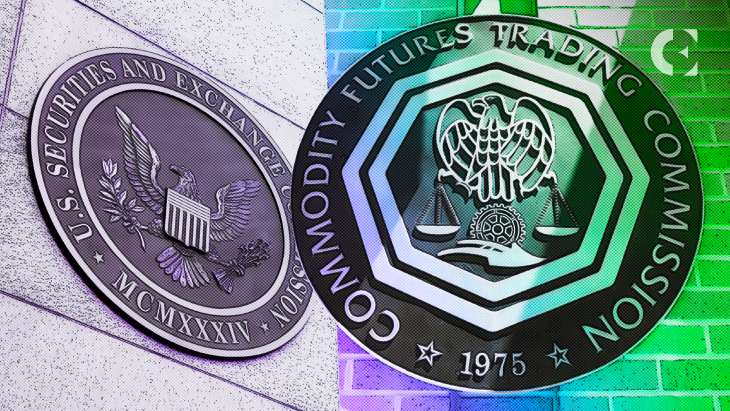

- Coinbase and five firms support CFTC oversight of stock perpetuals.
- CFTC moves to bring stock perpetuals under its derivatives framework.
- Traditional financial players challenge the regulatory approach.
Perpetual futures have been a popular part of the crypto markets. Now, they are entering the traditional stock market. But their growing presence in the US has sparked questions about which agency should oversee them. According to the latest report, Coinbase, Kalshi, and several major trading firms are backing the CFTC’s authority over these products. This has added a new dimension to the ongoing regulatory debate.
Coinbase and Trading Giants Back CFTC Regulation Over Stock Perpetuals
Coinbase, Kalshi, Payward, DRW Holdings, Jump Trading, and Paradigm have expressed their support for the CFTC’s authority over single-stock perpetual futures. The companies are now seeking permission to submit an amicus brief in an ongoing legal dispute over how these products should be regulated. Through this filing, the group wants to explain why the CFTC should oversee these products under the existing derivatives framework.
These platforms believe that single-stock perpetual futures should not automatically fall under the SEC’s authority just because they are linked to individual stocks. They believe existing US laws already provide a regulatory framework for these types of derivatives.
CFTC Moves to Establish Its Authority Over Stock Perpetuals
The latest backing comes on the heels of the CFTC announcing its decision to bring single-stock perpetual futures under its derivatives framework. The regulator’s position is that these products could be treated as futures contracts.
This approach could allow regulated trading platforms to offer stock perpetuals without treating every contract as a conventional securities product. It also reflects the CFTC’s broader effort to accommodate new financial products within the existing derivatives market structure.
Why Are Stock Perpetual Futures Facing Regulatory Questions?
It is worth noting that perpetual futures work differently from traditional futures contracts. They do not have a fixed expiry date. This allows traders to keep their positions open for as long as they want. These contracts also use funding payments between buyers and sellers to keep their prices close to the underlying asset.
In crypto, traders commonly use these products to gain leveraged exposure to assets such as Bitcoin and Ethereum without owning them directly. The same trading structure is being used in individual stocks.
But this has created questions about whether these products should be treated as traditional derivatives or securities. The CFTC oversees futures and derivatives markets; the SEC regulates securities markets. Stock perpetuals combine features of both markets. This sparks uncertainty over which agency has the authority over them.
(adsbygoogle = window.adsbygoogle || []).push({});Traditional Financial Players Challenge CFTC’s Decision
Despite the crypto companies’ support for the CFTC’s stock perpetual futures regulation, several traditional financial players have raised concerns. A group backed by major financial firms, including Cboe and Citadel Securities, has sought legal support in the move. They argue that these products provide exposure to individual stocks and should therefore face appropriate securities market oversight.
The group is concerned that allowing stock perpetuals under the derivatives framework could create a separate trading market with different regulatory requirements. This could raise questions about investor protection, market transparency, and fair competition.
Related: Stock Perpetual Futures Face Lawsuit Over CFTC Trading Approval
Disclaimer: The information presented in this article is for informational and educational purposes only. The article does not constitute financial advice or advice of any kind. Coin Edition is not responsible for any losses incurred as a result of the utilization of content, products, or services mentioned. Readers are advised to exercise caution before taking any action related to the company.