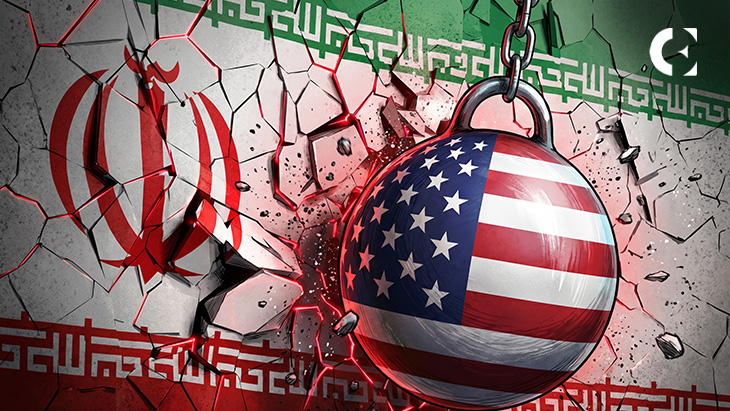

- Iran declared the Strait of Hormuz closed to all vessels after fresh US strikes.
- Brent crude rose $94.58, and WTI rose to $91.74 over fears of supply disruptions.
- Iran launched retaliatory attacks against US-linked sites in Bahrain, Kuwait, and Jordan.
Iran said it has closed the Strait of Hormuz to all vessel traffic after a fresh round of US strikes on Iranian targets, marking one of the biggest escalations in the conflict since fighting resumed.
Iran’s Khatam al-Anbiya Central Headquarters announced Thursday that oil tankers and commercial ships are no longer permitted to pass through the waterway. The military warned that any vessel attempting to enter the strait would be targeted.
The announcement came hours after US Central Command said it launched additional strikes against Iranian air defense systems, radar sites, and communications infrastructure.
Washington described the operation as self-defense and accused Tehran of continuing attacks in the region.
Oil Prices Jump as Supply Risks Rise
The Strait of Hormuz normally handles around one-fifth of global oil and gas shipments. Concerns over disruptions pushed oil prices higher.
Brent crude rose $1.48, or 1.59%, to $94.58 per barrel, while US West Texas Intermediate climbed $1.71, or 1.9%, to $91.74. US crude futures had gained more than $3 earlier in the session.
ING analysts said the latest developments indicate that a diplomatic agreement remains distant and that energy flows from the Persian Gulf are likely to stay heavily restricted.
US crude inventories fell by 7.2 million barrels to 426.5 million barrels in the week ended June 5, according to EIA data.
Since the war began on February 28, total US crude inventories, including strategic reserves, have dropped by 79 million barrels as the country attempted to offset supply shortages.
A survey also showed OPEC production in May fell to its lowest level in more than two decades after sanctions and naval disruptions reduced exports from Iran and other Gulf producers.
Iran Launches Retaliatory Strikes
Iran’s Islamic Revolutionary Guard Corps said it had begun attacks on US-linked military positions in Bahrain, Kuwait, and Jordan. Iranian media also reported strikes against maritime targets and explosions in Bandar Abbas, Qeshm Island, Minab, and Sirik.
Kuwait temporarily shut its airspace after missile and drone threats emerged. Bahrain activated air raid sirens as security conditions worsened.
Iranian state media reported that two vessels trying to pass through the Strait of Hormuz had already been struck. The Revolutionary Guards warned ships not to leave their anchor positions in the Persian Gulf and Sea of Oman and said approaching the strait would be considered cooperation with hostile forces.
Trump Threatens More Military Action
President Donald Trump warned that Iran would face additional attacks if negotiations failed. He said the strikes would end soon if Tehran agreed to a deal, but added that the US would “bomb the hell out of them” if an agreement was not reached.
Earlier, Trump accused Iran of delaying negotiations and said the country would pay the price for refusing a deal.
Related: U.S.-Iran Talks Strain as Trump and Tehran Compete to Claim Victory
Disclaimer: The information presented in this article is for informational and educational purposes only. The article does not constitute financial advice or advice of any kind. Coin Edition is not responsible for any losses incurred as a result of the utilization of content, products, or services mentioned. Readers are advised to exercise caution before taking any action related to the company.