
- Robert Kiyosaki called Iran’s yuan oil trade a historic financial shift.
- Iran reportedly accepts yuan payments linked to Strait of Hormuz tolls.
- Analysts say the US dollar still dominates global oil and reserve markets.
Robert Kiyosaki, author of Rich Dad Poor Dad, is sounding the alarm over Iran’s decision to accept Chinese yuan as payment for oil, describing it as the most significant financial development in modern history.
“Iran began accepting payment for oil in Chinese yuan. This is the biggest news in world financial history and no one is explaining it,” Kiyosaki wrote on X, urging followers to listen to a Ray Dalio podcast that he said offers concrete steps to avoid becoming a victim of what he described as a massive change in money.
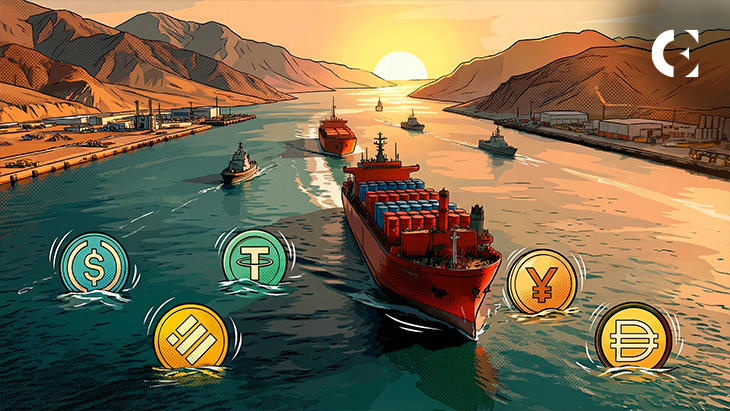
The backdrop is the ongoing US-Iran conflict that began in February 2026. Iran has been charging ships up to $2 million per tanker for transit through the Strait of Hormuz, with payments reportedly settled in yuan.
Iran has been accepting yuan from China since 2012 to circumvent US sanctions, so the mechanism itself is not new. What is new is the formalisation of toll charges through the strait and the geopolitical context of an active military standoff.
The Counter Argument
Not everyone is buying the doomsday framing. “The death of the US dollar gets announced every few months now, yet global trade, debt markets, and central banks still overwhelmingly revolve around it,” wrote one analyst.
He acknowledged the shift has real significance. Countries trading oil outside the dollar do matter. The petrodollar system is under genuine pressure. But he pushed back on the scale of Kiyosaki’s framing.
“Real shifts in reserve currency dominance happen over decades, not viral captions.”
The data supports a measured reading. Approximately 80% of global oil trades still settle in US dollars. Dollar-denominated assets represent around 57% of global central bank reserves. The yuan’s share of global reserves remains in the low single digits.
What It Actually Means
The petrodollar is not collapsing this week. But the direction of travel is real, and the situation in the Strait of Hormuz has accelerated a conversation that was already underway about what the global reserve currency will look like in ten years.
Related: US Preparing for New Military Action Against Iran: Report
Disclaimer: The information presented in this article is for informational and educational purposes only. The article does not constitute financial advice or advice of any kind. Coin Edition is not responsible for any losses incurred as a result of the utilization of content, products, or services mentioned. Readers are advised to exercise caution before taking any action related to the company.