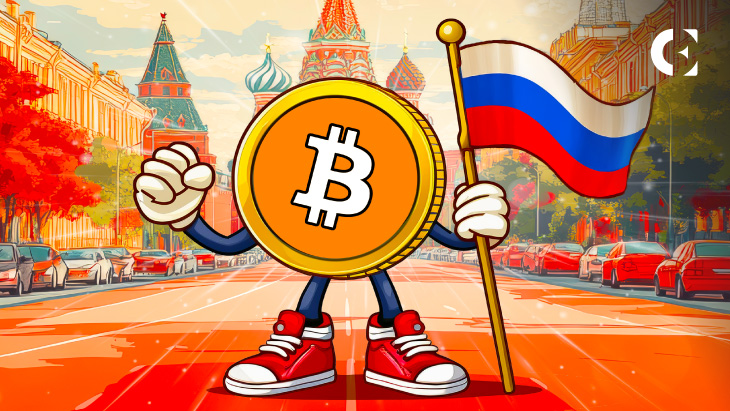

- Russia to allow BTC, ETH, USDT, and USDC for retail under the 5 trillion ruble market cap rule.
- Retail investors are capped at 300,000 rubles annually per intermediary, around $4,200.
- Russia may allow cryptocurrencies from friendly jurisdictions, including dirham-backed stablecoins.
After nearly a decade of debates that at various points included proposals for a complete ban, Russia is legalizing cryptocurrency investment for ordinary retail investors. Deputy Finance Minister Ivan Chebeskov announced on June 16 that the legislation is moving through parliament with a July 1 deadline for adoption.
For the first time, Russian citizens without professional investor status will have legal access to cryptocurrencies, albeit with specific limits on which assets they can buy and how much they can invest annually.
What Retail Investors Can Buy
The draft law uses market capitalization as the eligibility test. Any cryptocurrency must maintain an average market cap exceeding 5 trillion rubles over two calendar years to qualify.
Four assets currently meet that threshold:
- Bitcoin
- Ethereum
- USDT
- USDC
Chebeskov described these as the globally accepted cryptocurrencies that form the foundation of the international digital asset market. Cryptocurrencies from countries Russia considers friendly jurisdictions may also qualify, even if they fall below the market cap threshold. Chebeskov cited ruble-backed stablecoins and UAE dirham-pegged tokens as examples.
The Limits
Retail investors will be capped at 300,000 rubles per year through a single intermediary, approximately $4,200 at current exchange rates. Chebeskov described this as meaningful for most Russian citizens and said the framework will be adjusted based on how enforcement plays out in practice after the law takes effect.
Why Now
Russia’s crypto market is already processing approximately 50 billion rubles in daily transaction volume, around $695 million, as revealed by Chebeskov previously. Attempting to ban activity at that scale proved impractical. Regulating it became the more logical path.
The bill passed its first State Duma reading and is currently being finalized with the Bank of Russia, the crypto industry, law enforcement, and financial regulators. Chebeskov expects it to pass its second and third readings before the session ends.
The Complication
The legalization push runs alongside international tension over Russia’s crypto ecosystem. The US Treasury sanctioned A7A5, a ruble-pegged stablecoin that Russia formally recognized as a digital financial asset, in June 2026 for allegedly helping Russia evade war-related financial restrictions. A7A5 has processed over $110 billion in transactions since launching, making it the world’s largest non-dollar stablecoin.
Russia is simultaneously opening its market to Bitcoin and Ethereum while operating a parallel crypto infrastructure that Western governments are actively trying to shut down.
Related: Russia’s State Duma Passes First Reading of Cryptocurrency Tax Reform Bill
Disclaimer: The information presented in this article is for informational and educational purposes only. The article does not constitute financial advice or advice of any kind. Coin Edition is not responsible for any losses incurred as a result of the utilization of content, products, or services mentioned. Readers are advised to exercise caution before taking any action related to the company.