
- Singapore’s SICC awarded over $3 million to 40 claimants in the Terraform and Do Kwon UST fraud case.
- The court ruled Terraform and Do Kwon made fraudulent UST stability claims before the 2022 collapse.
- The ruling sets a precedent for crypto damages, strengthening accountability in digital asset disputes.
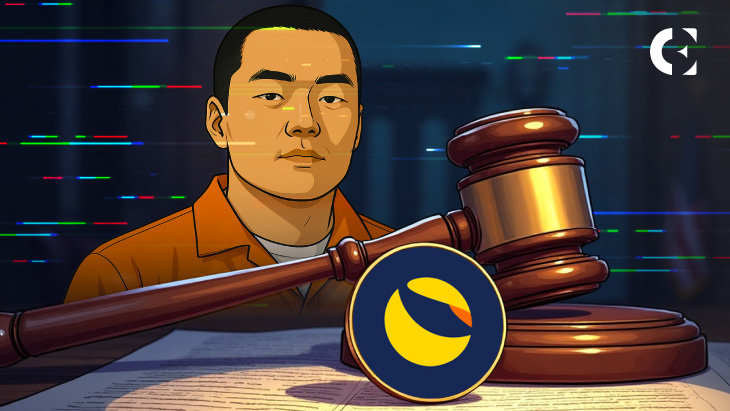
On June 29, 2026, the Singapore International Commercial Court (SICC) awarded more than $3 million in damages to 40 claimants after finding Terraform Labs Pte Ltd and its founder, Do Kwon, liable for fraudulent misrepresentations related to TerraUSD (UST). The ruling concludes the second tranche of a fraud case involving 275 investors over the 2022 TerraUSD collapse.
Singapore Court Awards $3M in Terraform UST Fraud Case
According to sources, the SICC has awarded over $3 million in damages to 40 claimants against cryptocurrency firm Terraform Labs Pte Ltd and its founder, Do Kwon. The ruling concludes the second tranche of a representative fraud action tied to the May 2022 collapse of the TerraUSD algorithmic stablecoin.
Meanwhile, the case was filed by 275 plaintiffs who were seeking damages for losses incurred as a result of the 2022 de-pegging event of TerraUSD (UST). The ruling follows the 2025 first-tranche judgment, which found actionable fraudulent representations, and a March 2026 Court of Appeal decision, which clarified the approach to calculating damages, using a more realistic UST cut-off valuation.
How Fraudulent UST Stability Claims Led to Investor Losses
The court determined that Terraform and Do Kwon made multiple fraudulent misrepresentations about the stability of TerraUSD, which induced certain investors to purchase and retain the token, ultimately causing significant financial losses when the stablecoin collapsed.
The fraudulent representations included that UST was able to maintain a reliable US dollar peg with robust algorithms, reserves, and LUNA-based arbitrage. Published on Terraform’s website, whitepapers, and public communications, the court found these claims false, concluding that defendants knew or were reckless regarding their falsity.
The court awarded damages based on the reliance theory for holdings until 12 May 2022, with subsequent losses being considered speculative. The cut-off valuation was appealed and adjusted to approximately $0.60485 per UST, which boosted compensation for eligible claimants.
What’s Next for Crypto Fraud Accountability
The SICC ruling, earlier rulings, and the U.S. $4.5 billion SEC penalty indicate an increased focus on holding crypto projects more accountable for false claims. It sets a precedent that could inspire more representative action and class-like claims worldwide and force crypto projects to be more transparent to reduce legal risks.
As Terraform is in the U.S. Chapter 11 wind-down and claims reconciliation is underway for many victims, recoveries will largely depend on distributions from the bankruptcy estate. There may also be further compensation from ongoing litigation, including the South Korean criminal case against Do Kwon and other claims pursued through Terraform’s bankruptcy process.
Furthermore, regulators are calling for more robust risk disclosures for DeFi and stablecoin products. As the crypto industry matures, more refined damage models and increased personal liability for founders are likely to strengthen investor protection.
Related: Ex-Hodlnaut CEO Charged For False Statements on TerraUSD Exposure
Disclaimer: The information presented in this article is for informational and educational purposes only. The article does not constitute financial advice or advice of any kind. Coin Edition is not responsible for any losses incurred as a result of the utilization of content, products, or services mentioned. Readers are advised to exercise caution before taking any action related to the company.