

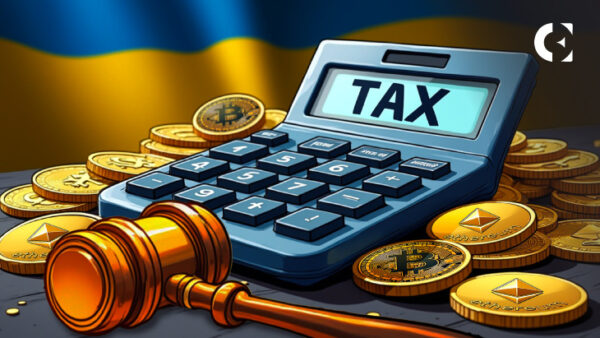

- Ukraine approved a new law regulating cryptocurrency taxation and service providers.
- Crypto profits will face a combined 23% tax, with exemptions for certain transactions.
- The new rules take effect July 1, 2027, introducing licensing and investor protections.
Ukraine’s parliament has approved a new law regulating and taxing crypto transactions, bringing the industry under its formal financial system.
On November 25, the Verkhovna Rada passed Bill No. 10225-d in its second reading and as a whole. The legislation amends Ukraine’s Tax Code and introduces rules covering crypto taxation, licensing, investor protection and regulatory oversight. It also establishes a framework for declaring existing crypto holdings and bringing them into the regulated financial system.
How Ukraine Will Tax Crypto Profits
Under the new rules, individuals will pay taxes on profits from crypto transactions rather than the full amount received from selling digital assets. The applicable tax rates are:
- 18% personal income tax
- 5% military levy
Investors will calculate their taxable profits annually and can deduct documented acquisition costs. The legislation also provides several tax exemptions:
- Swapping one cryptocurrency for another will not trigger taxation.
- Profits below one minimum wage will be tax-free.
- Cryptocurrency received for free will not be taxed under the reported rules.
- Losses from previous years can be used to offset future taxable profits.
Special Tax Rules for Existing Crypto Holdings
Investors who acquired crypto before the law takes effect will have until the end of 2028 to use a special tax arrangement. They can declare their existing holdings and pay a reduced 5% personal income tax, plus the 5% military levy, when converting those assets into traditional currency (fiat).
The arrangement allows existing crypto holders to declare previously acquired digital assets at a lower tax rate when converting them into fiat currency.
Follow us on X for real-time crypto updates.
Crypto Exchanges and Custodians Will Need Government Approval
Crypto exchanges, custodians, and other digital asset service providers will need regulatory approval to operate in Ukraine. Companies must register within 60 days and submit annual reports covering transactions involving Ukrainian residents.
They will also be required to:
- Keep customer assets separate from company funds.
- Strengthen financial monitoring and customer identity checks.
- Comply with investor protection and reporting requirements.
The law also prohibits misleading crypto advertisements, including claims of guaranteed profits and promotions presenting cryptocurrency as a means of payment in Ukraine.
Securities Regulator and National Bank to Share Oversight
Two institutions will oversee Ukraine’s cryptocurrency market:
- National Securities and Stock Market Commission (NSSMC): Will regulate most cryptocurrency activities and supervise crypto service providers.
- National Bank of Ukraine (NBU): Will oversee electronic money tokens, foreign exchange transactions, and financial stability.
The regulatory structure is intended to align Ukraine’s crypto framework with the European Union’s Markets in Crypto-Assets (MiCA) regulations.
What the New Law Means for Ukrainian Crypto Investors
The legislation addresses a gap left by Ukraine’s original Virtual Assets Law, passed in 2022, whose implementation depended on additional tax legislation. Bill No. 10225-d provides the tax and regulatory framework needed to bring the industry into the country’s formal financial system.
The new rules are expected to take effect on July 1, 2027, giving regulators and crypto businesses time to prepare. For investors, the changes introduce:
- Access to regulated cryptocurrency services.
- Clearer rules for calculating and paying crypto taxes.
- Greater legal protection through customer asset segregation and regulatory oversight.
Investors will need to maintain records of crypto purchases, sales, and other transactions to calculate their annual taxable profits. Crypto businesses, meanwhile, must obtain regulatory approval and comply with the new reporting, financial monitoring and customer protection requirements.
Ultimately, Ukraine’s new legislation establishes a formal framework for crypto asset taxation and oversight, bringing digital assets closer to the country’s regulated financial system.
Subscribe to our YouTube channel for the latest crypto news.
Related: Ukraine Moves Closer to Regulated Crypto Market as Committee Backs Bill
Disclaimer: The information presented in this article is for informational and educational purposes only. The article does not constitute financial advice or advice of any kind. Coin Edition is not responsible for any losses incurred as a result of the utilization of content, products, or services mentioned. Readers are advised to exercise caution before taking any action related to the company.