
- The DOJ seeks forfeiture of about $61 million in crypto allegedly linked to sanctioned Iranian oil sales.
- Richard Teng says the case does not target Binance or allege wrongdoing by the crypto exchange.
- The DOJ alleges Blessed Trust and Hexa Whale used Binance accounts within a wider laundering network.
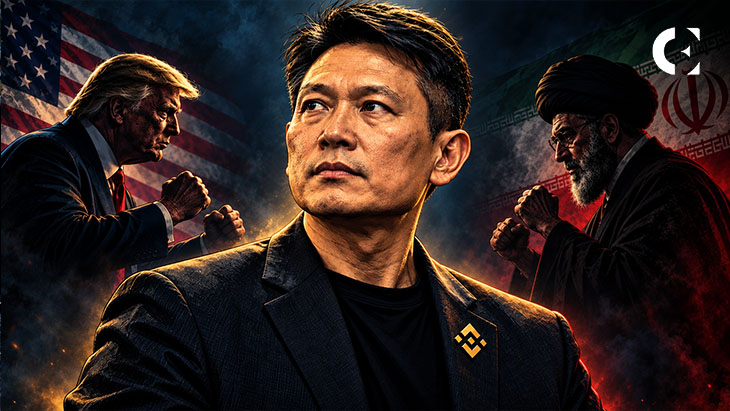
Binance CEO Richard Teng has responded after U.S. prosecutors sought forfeiture of about $61 million in cryptocurrency. The Justice Department links the assets to alleged black-market sales of sanctioned Iranian oil. Teng said the civil case does not target Binance and does not accuse the exchange of wrongdoing. His response puts Binance’s compliance controls back under scrutiny as U.S. authorities pursue Iran-linked crypto networks.
Notably, the case follows months of questions around cryptocurrency flows linked to Iran and sanctions enforcement. Binance says it has already investigated accounts connected to the entities named by U.S. authorities. The exchange also says it continues to work with law enforcement when investigators identify illicit-finance risks.
Binance CEO Responds to $61M DOJ Case
The Southern District of New York filed a civil forfeiture complaint on September 14. Prosecutors seek roughly $61 million in cryptocurrency allegedly generated from sanctioned Iranian crude oil and petroleum sales. Authorities claim the funds were intended to support Iran and military-linked entities, including the IRGC.
Teng pushed back against any suggestion that Binance permitted transactions with sanctioned parties. “We have zero tolerance for sanctions violations or illicit activity,” he said. He also said Binance would continue cooperating with authorities on the matter. The CEO added that the company freezes or restricts accounts when its teams identify sanctions risks.
DOJ Names Two Companies With Binance Accounts
The complaint names Blessed Trust and Hexa Whale as companies involved in the alleged network. Prosecutors claim both businesses used trading accounts at Binance while processing proceeds from Iranian oil sales. The government also alleges a broader network handled more than $1.5 billion in illicit oil proceeds.
The DOJ does not name Binance as a defendant in the civil forfeiture action. It also states that the complaint contains allegations that a court has not yet proven. The distinction matches Teng’s response that the filing does not accuse Binance itself of wrongdoing.
Meanwhile, the case comes as Iran’s use of cryptocurrency expands under U.S. sanctions. Bitcoin and stablecoins have gained a larger role in some cross-border transactions as restrictions affect conventional payment channels.
Binance Says It Previously Removed Both Accounts
Binance addressed Blessed Trust and Hexa Whale months before the latest forfeiture filing. In a March response to a U.S. congressional inquiry, the exchange said law enforcement requests triggered internal investigations. Binance said it removed Hexa Whale in August 2025 and Blessed Trust in January 2026.
The exchange also said it found no direct Binance transactions involving Iran-based entities during those reviews. However, the DOJ now alleges both companies helped move Iranian oil proceeds through a wider network. That creates a distinction between direct transactions and indirect exposure through customers or external wallets.
Binance has separately said it spends hundreds of millions of dollars each year on compliance systems. The exchange employs more than 1,500 compliance workers and uses transaction-monitoring and sanctions-screening tools. A previous Binance compliance report covered its anti-fraud and enforcement efforts.
Iran-Linked Crypto Flows Keep Regulators Focused
Even so, the latest case centers on the assets, rather than a criminal charge against Binance. Prosecutors want the court to forfeit cryptocurrency they allege came from sanctioned oil sales. The DOJ says Chinese-based actors and several external wallets helped move those funds through multiple layers.
Teng said Binance will investigate, restrict, freeze, or close accounts when its teams identify illicit-finance risks. He also said the exchange reports relevant cases to authorities. The $61 million action now adds another court process to wider U.S. efforts targeting crypto networks tied to Iranian sanctions evasion.
Related: U.S. 10-Year Treasury Yield Hits 5%: What It Means for Bitcoin, Stocks, and Risk Assets
Disclaimer: The information presented in this article is for informational and educational purposes only. The article does not constitute financial advice or advice of any kind. Coin Edition is not responsible for any losses incurred as a result of the utilization of content, products, or services mentioned. Readers are advised to exercise caution before taking any action related to the company.