
- FSB also announced plans to put Durov on the international most wanted list.
- Telegram allegedly let Ukrainian intelligence use the app to recruit Russian citizens.
- The app has become a key communications hub in the Russia-Ukraine war, used by both sides.
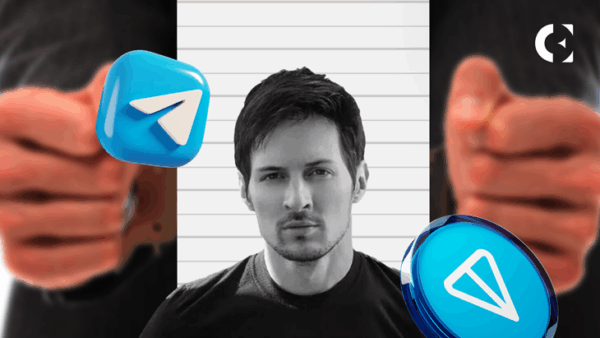
Russia’s FSB (Federal Security Service) has formally accused Telegram’s founder, Pavel Durov, of enabling terrorism and announced plans to put him on the international most wanted list. The agency also issued an international warrant for his arrest.
According to the Russian authorities, Telegram allegedly let Ukrainian intelligence use the app to recruit Russian citizens, especially young people, for cybercrimes and attacks inside Russia. The FSB claims Ukrainian operatives used Telegram bots and chat services to lure recruits, including through a dating chatbot known as “Daivinchik” (Leo).
Russian investigators say 46 people aged between 12 and 22 have been arrested over the past year in connection with these alleged operations.
Soon after the news broke, Telegram’s X account posted a picture of Durov showing a middle finger. In the past, Durov has always said Telegram works with proper legal requests but draws the line at anything that invades user privacy or brings in government censorship.
Also, GRAM, the native cryptocurrency of TON (Layer-1 blockchain originally developed by Telegram), dropped roughly 3%.
Interestingly, Telegram has become a key communications hub in the Russia-Ukraine war. It’s used simultaneously by Ukrainian government agencies, Russian military bloggers, Russian ministries, journalists, civilians, aid organizations, independent media, and intelligence researchers.
Reuters called Telegram a “virtual battlefield,” where both sides share everything from military updates and drone videos to fundraising and emergency alerts every day.
Can a Messaging App Remain Neutral During a War?
Telegram was built on the premise of operating as a neutral communications medium, not as an arbiter of political discourse. Wartime conditions, however, tend to alter a lot of things, including potential favoritism, as the governments argue that encrypted platforms have responsibilities that go far beyond simply transmitting messages.
Authorities often want platforms to take down terrorist posts, shut down recruitment efforts, block intelligence operations, stop sabotage, and help out with investigations.
The tricky part is that any decision to moderate content can look political. If Telegram (or any such platform) takes down one side’s channels, it may be accused of censorship. If it doesn’t, accusations turn to helping the enemy. In other words, neutrality itself becomes a political position.
That said, this isn’t Telegram’s first confrontation with governments. In 2018, Russia tried to ban Telegram after Durov refused to give encryption-related assistance sought by the country’s security agencies. Also, in France, Durov has been facing a judicial investigation since 2024 over accusations that Telegram didn’t do enough to deal with criminal activity on its platform.
Related: Telegram Founder Pavel Durov Questioned for Fourth Time in Ongoing French Criminal Probe
Disclaimer: The information presented in this article is for informational and educational purposes only. The article does not constitute financial advice or advice of any kind. Coin Edition is not responsible for any losses incurred as a result of the utilization of content, products, or services mentioned. Readers are advised to exercise caution before taking any action related to the company.