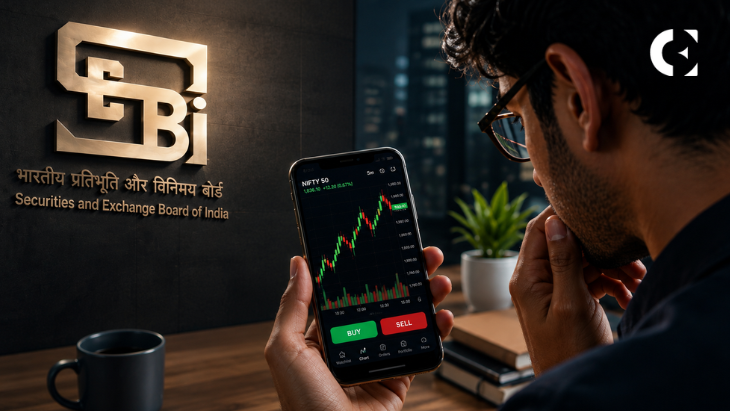

- SEBI panel supports the 30-minute VWAP for F&O expiry on BSE and NSE, putting CAS-linked formula on hold.
- To address the 10-minute CAS volatility and liquidity issues after receiving over 20,000 consultations.
- For India’s expiry-day traders, can the settlement reduce uncertainty when closing prices and F&O interact?
Securities and Exchange Board of India’s (SEBI) Secondary Market Advisory Committee (SMAC) has recommended retaining the 30-minute Volume-Weighted Average Price (VWAP) for index and stock derivatives expiry settlement and put an immediate shift to a Closing Auction Session (CAS)-linked formula on hold.
For Indian expiry-day traders, however, the question now is whether the settlement method will help in lowering the uncertainty when closing prices and derivatives positions interact during the final minutes of trading.
Why Is SEBI Reviewing the F&O Expiry Settlement Method?
SMAC has recommended retaining the existing 30-minute VWAP on BSE and NSE, placing the CAS-linked blended formula on hold for at least a year. SEBI introduced the CAS on August 3, 2026, for stocks with F&O contracts to improve closing-price discovery, replacing the earlier last-30-minute continuous-session process.
But the move raised fears of thin liquidity in the auction market, large price fluctuations, and the direct effect on the value of derivatives settlement. SEBI received more than 20,000 responses to its September 12 consultation paper, with market participants calling for the existing 30-minute VWAP method to be retained before any shift to a blended settlement formula.
30-Minute VWAP vs Closing Auction: What’s the Difference?
The 30-minute VWAP calculates the settlement price as the volume-weighted average of all trades during the continuous trading session between 3:00 pm and 3:30 pm. Larger trades get more weight and are spread over a liquid half-hour window.
In contrast, CAS is a special 10-minute auction in which buy and sell orders are matched at the same price once continuous trading ends. The blended formula SEBI considered would have combined both periods; the panel has put that option on hold.
Why the Final 30 Minutes Matter to F&O Traders
On expiry day, the settlement price determines the final profit or loss on open futures and options positions. The last half-hour is where activity is clustered as traders modify or liquidate positions and produce the best liquidity and the best chance of actual price discovery and short-term pressure.
A change in the settlement window or the use of auction-derived prices could affect expiry-day risk, particularly if liquidity is limited or the final price differs significantly from levels observed during continuous trading. Traders may also have less flexibility to adjust hedges once continuous cash trading ends.
What Retaining the 30-Minute VWAP Changes — and What It Doesn’t
By supporting the VWAP for 30 minutes for at least a year, it eliminates the immediate impact of CAS prices on derivatives settlement, thereby minimizing abrupt swings in F&O payoffs resulting from the auction.
But it does not remove the closing price risk; CAS still sets closing prices for indices and valuations, and concentrated order flow in the last 30 minutes at the cash market and cash derivatives remains unchanged.
What Indian F&O Traders Should Watch Next
Traders should watch for SEBI’s official circular confirming whether it will adopt SMAC’s recommendations. Beyond retaining the 30-minute VWAP for expiry settlement, the panel has reportedly supported extending continuous trading in CAS stocks until 3:30 p.m., holding the closing auction from 3:31 p.m. to 3:40 p.m., and keeping derivatives trading open until 3:45 p.m.
The committee has also favoured continuing to display the Indicative Equilibrium Price (IEP) during the auction, while the treatment of market orders remains under review. These changes could affect how traders manage orders and hedge positions around the market close, although their actual impact will depend on the final rules and market conditions.
For expiry-day traders, monitoring liquidity, order-book conditions, and price movements near the close remains important. SEBI’s final decision will determine whether the proposed changes provide greater clarity around settlement while addressing concerns about volatility during the closing auction.
Related: CAS No-Trade Day: Why F&O Expiry Strategies May Need a Rethink
Disclaimer: The information presented in this article is for informational and educational purposes only. The article does not constitute financial advice or advice of any kind. Coin Edition is not responsible for any losses incurred as a result of the utilization of content, products, or services mentioned. Readers are advised to exercise caution before taking any action related to the company.