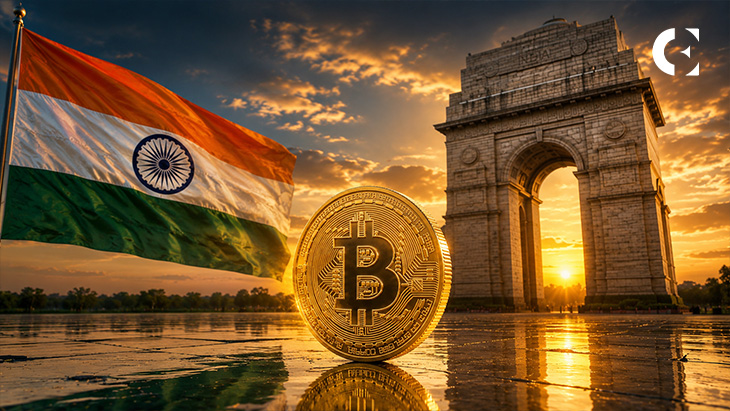

- Stablecoins drove 38.5% of WazirX H1 2026 volume, topping Bitcoin and Layer-1 assets.
- USDT and USDC link INR with global crypto markets without requiring Bitcoin exposure.
- RBI warns dollar-linked stablecoins may weaken monetary control and capital-flow rules.
India’s crypto economy is often described through Bitcoin ownership. Yet 2026 platform data points to a second force: stablecoins. USDT/USDC provides dollar-linked liquidity that users can trade, transfer, or hold without taking direct exposure to Bitcoin’s price.
WazirX reported that stablecoins generated 38.5% of its H1 2026 trading volume. Bitcoin, Ethereum, and other Layer-1 assets contributed 28.4%. Those figures cover WazirX alone, but they show how heavily one Indian platform uses dollar-linked assets.
CoinSwitch found that Bitcoin was the preferred asset in nine of its ten largest state markets in Q2. Together, the reports show a contrast. Bitcoin can lead investment preferences while stablecoins carry liquidity between trades.
Indian users are not necessarily buying Bitcoin to gain dollar exposure. Instead, INR can first be converted into USDTUSDC as a bridge to global crypto markets. Those stablecoins can then fund purchases of Bitcoin, Ethereum, or other digital assets.
How INR Becomes Dollar-Linked Crypto Liquidity
The route can begin with rupees. A user deposits INR on an exchange or pays a seller through a P2P market, then buys USDT or USDC. That stablecoin can purchase Bitcoin, Ethereum, or another token quoted against digital dollars.
After selling a volatile asset, a trader can return to USDT rather than withdraw INR. The funds remain available for another trade or transfer to a different wallet. This liquidity function reduces repeated moves in and out of the banking system.
Direct INR pairs remove the stablecoin step where they are available. Yet global exchanges, on-chain applications, and many token markets operate around USDT/USDC. Access beyond domestic pairs can therefore depend on a dollar-linked bridge.
WazirX made this route visible. When the platform restarted in October 2025, tokens returned first through USDT markets, and only USDT/INR was initially live. Its 2026 pay-per-trade plan offered zero USDT-market fees.
Those conditions may have increased USDT turnover, so WazirX’s 38.5% cannot describe all of India. Even so, its market structure shows the practical point. On platforms built around stablecoin pairs, the digital dollar becomes infrastructure rather than another investment asset.
Why USDT Matters Without Bitcoin Exposure
Stablecoins solve a different problem from Bitcoin. BTC provides volatile investment exposure and a scarcity-based proposition. USDT/USDC aim to stay near $1, giving traders a steadier reference between positions.
A user does not need to own Bitcoin to benefit from that function. USDT can quote portfolio values, set order sizes, hold trading proceeds, and settle token purchases. For an active trader, it works more like crypto-market cash.
This also provides digital exposure to the dollar. If USDT maintains its peg, its INR value broadly follows USD/INR. A user holding USDT therefore faces the dollar-rupee relationship alongside stablecoin-specific risks.
However, USDT is not a U.S. bank deposit or physical dollar. Holders face issuer, reserve, redemption, custody, blockchain, and depegging risks. Indian buyers may also pay a local premium above the normal USD/INR rate.
USD/INR Volatility Raises the Stakes
The rupee reached a record 96.96 per dollar in May 2026. When INR weakens, a token pegged near $1 becomes more expensive in rupee terms. That can increase the appeal of dollar-linked value, but it also raises the entry cost.
June showed the difference between a dollar peg and local access. USDT traded at a 7% to 10% premium on Indian exchanges, briefly reaching ₹102.88 while USD/INR stood near ₹94.65. Buyers paid for token availability, not only the dollar’s market rate.
CoinDCX and CoinSwitch executives linked the gap to demand exceeding supply and thin liquidity. That enforcement action may also have limited supply. The premium showed that obtaining digital dollars locally could carry an additional cost.
P2P Markets Put Access at the Center
INR access has shaped India’s crypto market for years. The RBI’s April 2018 circular cut regulated banking services to crypto businesses. The restriction pushed exchanges and users toward alternative routes, including direct P2P settlement.
The Supreme Court set aside the circular in March 2020 on proportionality grounds. A 2026 study estimated that the restriction reduced Indian crypto-app downloads and active users by roughly 60%, showing that P2P and offshore channels could not fully replace banking access.
However, Reuters reported that offshore exchanges and private wallets make beneficial owners harder to identify, while INR-denominated P2P trades complicate tax tracking. Dollar-linked tokens can also move across venues after leaving domestic payment rails.
A Digital Dollar Market Inside Crypto
India is not becoming a dollar economy in ordinary commerce. UPI handles about 85% of the country’s digital payment transactions, while INR still prices wages, taxes, bills and retail purchases. India’s chief economic adviser has said UPI reduces the domestic need for stablecoins.
Many assets are priced and settled against dollar-linked tokens. This creates a digital dollar layer within the crypto economy even though INR continues to dominate daily payments.
The change is functional rather than ideological. Bitcoin holders may follow a long-term scarcity thesis. Stablecoin users may simply need a liquid, portable, and dollar-denominated balance connecting domestic money with global crypto markets.
Why the RBI Sees a Policy Risk
RBI Deputy Governor T. Rabi Sankar warned in December 2025 that stablecoins could promote currency substitution and dollarization. He also identified risks to monetary policy, bank intermediation, and capital-flow management.
The concern becomes sharper when dollar-linked balances stay outside INR for long periods. Users can move among tokens and venues without converting after every trade. The RBI argues that these flows could weaken oversight and reduce the effectiveness of domestic policy tools.
The RBI restated its hard position in 2026. Reuters said policies “leaning towards prohibition” may be warranted. The central bank also wanted banks insulated from privately issued stablecoins and crypto assets.
An Indian user’s most important crypto asset may therefore not always be Bitcoin. It may be the dollar represented digitally by stablecoins, serving as a bridge, unit of account, and pool of liquidity even without Bitcoin exposure.
Related: Why Banks Are Suddenly Embracing the Stablecoins They Once Feared
Disclaimer: The information presented in this article is for informational and educational purposes only. The article does not constitute financial advice or advice of any kind. Coin Edition is not responsible for any losses incurred as a result of the utilization of content, products, or services mentioned. Readers are advised to exercise caution before taking any action related to the company.