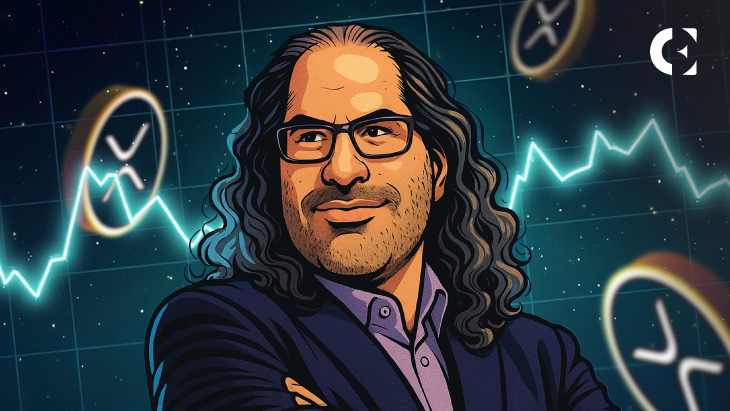

- David Schwartz said Ripple’s diversification and holdings ultimately benefit XRP holders.
- Ripple’s RLUSD expansion and acquisitions revived debate over value for XRP holders.
- Bill Morgan and Zach Rynes debated whether Ripple’s growth benefits XRP holders or shareholders.
Ripple’s ex-CTO, David Schwartz, pushed back against claims that Ripple’s business strategy hurts XRP holders. He argued that Ripple making money from different businesses, while still holding large amounts of XRP, can ultimately help the token’s long-term value.
The response comes as an AI analysis suggested Ripple has moved away from making XRP the center of its business. According to the analysis, Ripple’s strategy has shifted since the SEC lawsuit, with the company increasingly using XRP’s value to support acquisitions and expand its payments, custody, financial software, and RLUSD businesses. It argued that XRP has become more of a financial asset underpinning Ripple’s growth, while RLUSD is taking on a larger role in the company’s day-to-day operations.
Schwartz disagreed, saying Ripple’s earning revenue without relying on XRP sales is actually better for XRP holders. He said Ripple’s large XRP holdings give the company a reason to support XRP’s success.
He also argued that making Ripple depend too heavily on selling XRP would create problems during market downturns. If XRP’s price fell, Ripple could have less money to invest while also facing pressure to sell more tokens.
Schwartz defended Ripple’s XRP sales as well, saying the company has followed a predictable escrow release schedule for years. He argued that while sellers may dislike these sales, they also provide liquidity for buyers.
Debate Over Whether XRP Holders Benefit From Ripple’s Success
The discussion also brought back an argument between XRP supporters and critics. Lawyer Bill Morgan said concerns about a conflict between XRP holders and Ripple shareholders are exaggerated. He pointed out that XRP has increased significantly in value since 2013, despite Ripple selling XRP during that time. He suggested XRP’s price may be driven more by overall crypto market trends than Ripple’s sales.
Chainlink community member Zach Rynes disagreed. He argued that Ripple can sell XRP at little cost to fund company growth, but shareholders benefit more because they own part of the company. XRP holders, he said, do not receive direct ownership rights or profits from Ripple’s success.
Rynes also argued that XRP’s original role as a bridge currency has weakened as stablecoins like RLUSD become more widely used for payments.
Morgan rejected this view, saying it oversimplifies Ripple’s business model and does not fully explain XRP’s market performance.
Related: Ripple Launches RLUSD in Japan Through SBI Partnership
Disclaimer: The information presented in this article is for informational and educational purposes only. The article does not constitute financial advice or advice of any kind. Coin Edition is not responsible for any losses incurred as a result of the utilization of content, products, or services mentioned. Readers are advised to exercise caution before taking any action related to the company.