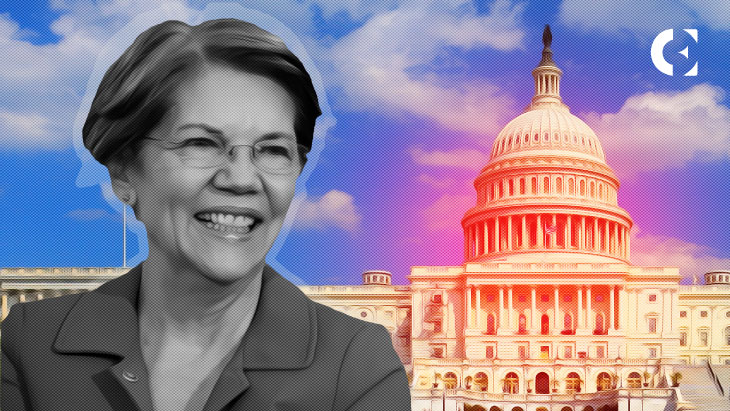

- Elizabeth Warren is in line to chair the Senate Banking Committee in January 2027.
- Warren says she wants a market-structure bill, which could put crypto regulation on a tougher path.
- The lame-duck session before Jan 3 may be the industry’s last clear chance to move the bill.
Democrats won control of Congress in the November 3 midterms. That puts Senator Elizabeth Warren, one of Washington’s loudest crypto critics, in line to chair the Senate Banking Committee from January 2027.
How Warren Could Reshape Crypto Regulation as Chair
The CLARITY Act debate has centered on jurisdiction, asset definitions and a larger role for the CFTC. The Senate draft would also allow banks a wider range of digital-asset activity.
Warren opposes that version. She argues it falls short on consumer protection, financial stability, illicit finance, sanctions evasion and political conflicts of interest.
But she has not asked for zero legislation. In September she called the CLARITY Act an opportunity for meaningful crypto regulation, then said the current text needs major changes. Under her, the bill would likely face stricter conditions before it moves.
Oversight could matter as much as lawmaking. As chair, she could call hearings and issue subpoenas aimed at stablecoin issuers, firms seeking bank charters and companies with ties to political figures.
Why Warren’s Senate Role Could Slow Crypto Legislation
Committee chairs decide which bills get hearings and markups. The Banking Committee handles much of digital-asset policy, including a Subcommittee on Digital Assets now chaired by Republican Sen. Cynthia Lummis. Under Warren, an industry-backed bill would likely need bipartisan amendments to advance.
The Republican-led Congress has only the lame-duck window to move the CLARITY Act, and some policy analysts treat January 3 as the real deadline. If the bill stalls before then, the new majority can reopen it and demand substantial changes.
Warren Could Push Tougher Rules for Digital Asset Firms
Warren has warned that the CLARITY Act could weaken state-level safeguards against fraud. This could also put pressure for stronger disclosures and exchange oversight.
Anti-money laundering is another priority. Warren has tied crypto rules to terrorism financing, drug trafficking and sanctions evasion, which would put stablecoins, mixers and DeFi platforms under more scrutiny.
Bank exposure matters too. The draft would permit bank custody and lending backed by digital assets. Warren sees that as a risk to the financial system that calls for tighter capital rules.
On ethics, she has called for barring the president, members of Congress and their families from profiting from crypto. That issue is now tangled up with President Trump’s own crypto ventures.
None of this amounts to a ban on legislation. Warren has said she would work with Republicans on a bipartisan bill. The more likely situation is a combination of stronger consumer, AML, stability and ethics provisions attached.
Disclaimer: The information presented in this article is for informational and educational purposes only. The article does not constitute financial advice or advice of any kind. Coin Edition is not responsible for any losses incurred as a result of the utilization of content, products, or services mentioned. Readers are advised to exercise caution before taking any action related to the company.