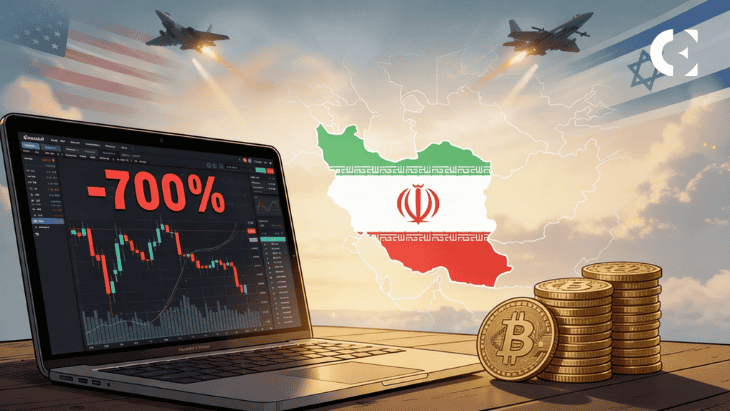

- Reports state that Iran is now accepting Bitcoin payments through the Lightning Network.
- Iran’s new rules require ships to follow transit protocols and pay tolls.
- April reports said Iran was looking at Bitcoin, stablecoins, and yuan as alternatives.
Reports are circulating that Iran is now accepting Bitcoin payments through the Lightning Network from ships moving through the strategically vital Strait of Hormuz.
One of the reports comes from X user Bitcoin Archive, calling it a real‑world example of “permissionless,” “censorship-resistant” money at work in international trade.
After the spike in geopolitical tensions earlier this year, Iran introduced new rules requiring ships to follow updated transit procedures and pay fees to pass through the strait. April reports said Iranian officials were looking at Bitcoin, stablecoins, and Chinese yuan as alternatives to traditional banking channels, which are still blocked by sanctions.
The system involves ships sending cargo info and getting transit instructions, with some payments reportedly made using digital assets. Iran’s interest in crypto is mostly due to its ability to bypass traditional finance systems like SWIFT and dodge sanctions.
Recently, a platform called “Hormuz Safe” surfaced, letting shipping companies pay for maritime insurance and transit services with Bitcoin and other cryptos. Sources tied to Iran said it’s a way to offer fast, verifiable settlement for operators moving through the region.
Related: Inside Iran’s Hormuz Safe Bitcoin Gamble in Global Shipping
Bitcoin’s Lightning Network
The mention of Lightning Network in Bitcoin Archive’s X post is especially interesting. Lightning is Bitcoin’s Layer‑2 payment system, built to handle near‑instant, cheap transactions without clogging up the main Bitcoin chain.
This technology is seen as one of Bitcoin’s most usable payment tools, since transactions settle in seconds instead of waiting for on‑chain confirmations. Studies have repeatedly pointed to its ability to handle fast micropayments and real‑time settlement.
However, there are still some disputes regarding Iran’s payment system that await official confirmation. For instance, back in April, Iran’s central bank pushed back on claims that all Hormuz transit fees were paid in crypto, saying some payments were made with “cash currency.” Officials didn’t fully explain how settlements work, so there’s a debate over how much Bitcoin is actually being used.
The whole Strait of Hormuz blockage has even attracted scammers. Maritime security firms warned that criminals are posing as Iranian officials, demanding Bitcoin from commercial ships for fake safe passage.
Related: Iran Wants Hormuz Fee in Bitcoin: Will Crypto Rebound?
Disclaimer: The information presented in this article is for informational and educational purposes only. The article does not constitute financial advice or advice of any kind. Coin Edition is not responsible for any losses incurred as a result of the utilization of content, products, or services mentioned. Readers are advised to exercise caution before taking any action related to the company.