
- U.S. to return $166B in tariffs after court ruling, giving businesses a major liquidity boost.
- Refund rollout begins via CBP system, with payouts expected within 60–90 days for most claims.
- Economists expect tariff refunds to lift GDP and gradually increase market liquidity into 2026.
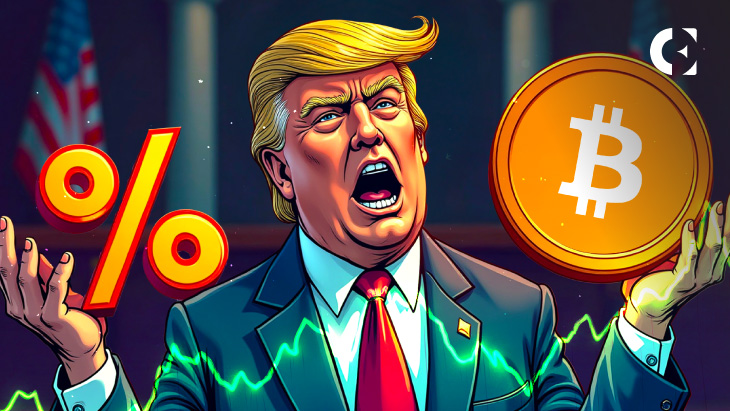
The United States will begin returning roughly $166 billion in tariff payments to importers after court rulings struck down duties imposed under emergency powers, setting up one of the largest trade-related refunds in recent history.
As per reports, businesses can start filing claims on Monday through the U.S. Customs and Border Protection system. The move follows a Supreme Court ruling that found the International Emergency Economic Powers Act did not authorize tariff collection, forcing the government to reverse duties and repay affected firms.
More than 330,000 importers and 53 million shipments fall within the eligible pool, according to court filings. The scale places the repayment among the most significant fiscal reversals linked to U.S. trade policy in recent decades.
Court ruling Triggers Large-Scale Capital Reversal
The refund system opens at 8 p.m. ET on April 20 through the U.S. Customs and Border Protection ACE portal. The agency will use a new processing tool designed to handle large-scale repayment claims linked to tariff reversals.
Officials expect most valid refunds to be issued within 60 to 90 days, although more complex filings may take longer due to operational constraints and system capacity limits.
CBP has described the volume as unprecedented, citing infrastructure limitations for processing mass reversals. Early repayments will focus on selected entries before expanding to broader coverage under a phased rollout.
Liquidity Shift Raises Macro Spillover Expectations
The economists view the tariff refund process as a mechanism of delayed liquidity flow to the economy. Previously, tariffs used to divert liquidity to government coffers from businesses; however, the reverse will bring back the capital to business entities.
According to JPMorgan analysts, the tariff refunds will boost GDP growth in the first half of 2026 by an estimated 0.5%. The recovered funds can be reinvested by firms in different ways, including share repurchase schemes, acquisitions, and debt restructuring, among others.
Moreover, risk assets will gain from the liquidity gains. In the past, cryptocurrency markets have been sensitive to times of increasing liquidity and relaxed financial environments. This was evident after the financial crisis of 2008, the stimulus cycle of 2020, and even later periods when central banks reduced interest rates.
Crypto Market Reacts to Macro Uncertainty
As of the time of writing, Bitcoin was trading at around $75,000 amid a period of increased volatility, while Ethereum was hovering around $2,300 amid a market correction. It is also worth noting that traders have their eyes on gaps in CME futures that tend to set reference points for price movements.
Tariff refund effects have also come into play. Experts believe that the flow of funds will not immediately reach the markets but rather take up to a few quarters to affect the liquidity landscape until 2026.
Related: UAE Warns of Shift Away From Dollar for Oil as War Risks Grow
Disclaimer: The information presented in this article is for informational and educational purposes only. The article does not constitute financial advice or advice of any kind. Coin Edition is not responsible for any losses incurred as a result of the utilization of content, products, or services mentioned. Readers are advised to exercise caution before taking any action related to the company.