

- Bitcoin traders face two US data releases at 8:30 a.m. ET today, Q3 GDP and September Core PCE.
- Economists expect GDP growth near 3.1% to 3.2%, with monthly Core PCE seen at 0.3%.
- Strong GDP and hot PCE could delay Fed rate cuts, lifting yields and the dollar while pressuring Bitcoin.
Bitcoin traders face a double test today, with US Q3 GDP and September Core PCE due at 8:30 a.m. ET.
Markets expect faster growth alongside firmer inflation, a mix that could pull Bitcoin in two directions. The data lands one day after the Federal Reserve held rates at 3.75% to 4.00%.
US GDP and Core PCE Forecasts Traders Should Watch
Consensus puts Q3 GDP growth at 3.1% to 3.2% annualized, up from 2.2% in Q2. Economists credit consumer spending and AI-related business investment. However, a jump in imports could drag on the headline figure.
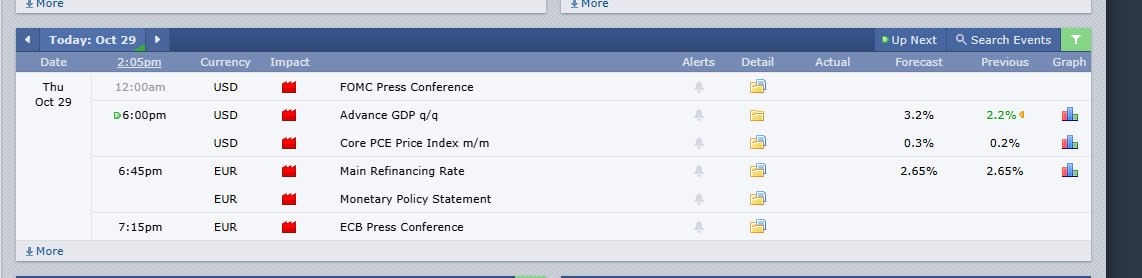
Core PCE is forecast to rise 0.3% month over month in September, up from 0.2% in August. The annual rate is seen at 3.1% versus 3.0% previously, well above the Fed’s 2% goal. The Fed held its benchmark rate on October 28 in a 10-2 vote.
Follow us on X for real-time crypto updates.
Four Economic Scenarios That Could Move Bitcoin Today
If GDP comes in strong and PCE runs hot, that’s the most bearish mix, since traders could push back their rate-cut bets. This would lift Treasury yields and the dollar and put pressure on Bitcoin.
Strong GDP alongside soft PCE is the most constructive outcome. Growth without added inflation could pull yields lower and support risk appetite.
A weak GDP print paired with soft PCE sends mixed signals. Lower yields may help Bitcoin at first, but a large growth miss could revive recession fears.
The hardest backdrop is a weak GDP with a hot PCE. This is where stagflation worries would leave the Fed little room to ease, and crypto could slide whichever fear wins out.
Key Market Indicators to Watch After the Data Release
Investors should watch the two-year Treasury yield and the US Dollar Index in the first minutes after the release. Higher yields raise the cost of holding a non-yielding asset like Bitcoin, and a firmer dollar tends to weigh on dollar-priced assets.
The first move can fade fast. On September 30, BTC jumped after softer-than-expected inflation data, then gave back the gain.
Traders should check the GDP price index and consumer spending for confirmation, and watch liquidations before treating an early spike as a trend.
With two Fed officials favoring a rate hike, hotter-than-expected PCE could weigh more heavily on Bitcoin than a GDP surprise alone.
Subscribe to our YouTube channel for the latest crypto news.
Related: $11B Bitcoin Options Expire Tomorrow — What Traders Should Watch
Disclaimer: The information presented in this article is for informational and educational purposes only. The article does not constitute financial advice or advice of any kind. Coin Edition is not responsible for any losses incurred as a result of the utilization of content, products, or services mentioned. Readers are advised to exercise caution before taking any action related to the company.