
- Bitget Wallet launches Assetback, turning card cashback into Bitcoin, gold, stocks, ETFs, or stablecoins.
- Eligible users can earn up to 3% asset cashback, with rewards invested automatically after purchases.
- The program converts everyday spending into recurring investments using dollar-cost averaging.
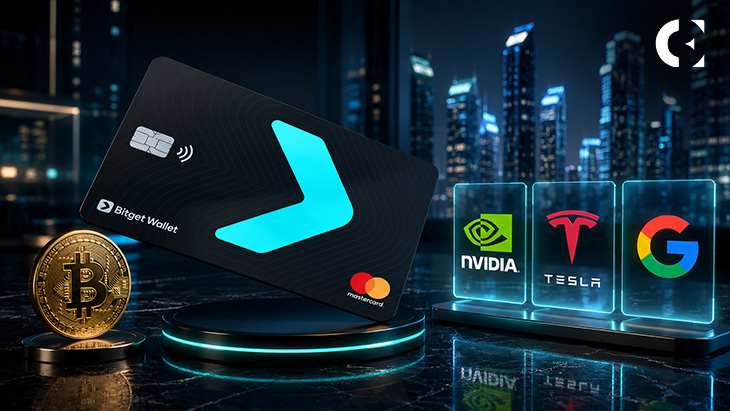
Bitget Wallet has launched Assetback, a cashback program for Bitget Wallet Card users. Instead of receiving traditional cash or reward points, users can earn rewards in investment assets such as Bitcoin (BTC), gold (XAUT), and tokenized U.S. stocks and ETFs.
The feature launches globally on August 1, 2026. It automatically converts eligible cashback into the user’s selected asset, helping turn everyday spending into long-term investing.
Cashback Rewards Become Investment Assets
With Assetback, Bitget Wallet Card users can choose to receive cashback in Bitcoin, tokenized gold (XAUT), tokenized U.S. stocks and ETFs through xStocks, or stablecoins.
Available stock options include exposure to NVIDIA, Tesla, and Google, as well as to the S&P 500.
The Bitget Wallet Card is accepted through Visa and Mastercard networks and is available in more than 50 markets worldwide.
Instead of earning cashback in fiat currency or retail reward points, users can pre-select an investment asset. Eligible cashback is then automatically converted after purchases. According to Bitget Wallet, eligible users can earn up to 3% asset cashback. This allows users to accumulate small positions over time without initiating a separate transaction for every investment.
Bringing Dollar-Cost Averaging to Everyday Spending
Bitget Wallet said Assetback applies the concept of dollar-cost averaging (DCA) to everyday purchases. Routine spending is automatically converted into recurring investments.
The approach follows a broader shift in card rewards, as financial platforms experiment with Bitcoin, investment products, and other alternatives to cash, points, and airline miles. The program also expands the real-world use of tokenized real-world assets (RWAs). It gives users easier access to investment products that may otherwise be expensive or difficult to obtain, particularly in regions with limited access to U.S. equity markets.
Alvin Kan, Chief Operating Officer of Bitget Wallet, said, “Card rewards have returned cash or points for forty years—not because they delivered the best outcome for users, but because delivering anything else required infrastructure that didn’t exist. That infrastructure now exists.”
Kan added that automatically accumulating fractional ownership of assets such as Bitcoin, commodities, and stocks turns cashback into a long-term wealth-building tool instead of a simple spending rebate.
Crypto Card Spending Keeps Growing
The launch comes as crypto payment cards continue to gain adoption. According to Bitget Wallet, monthly crypto card payment volume reached $656 million in May 2026, up from $271 million a year earlier. Cumulative payment volume across the sector has also surpassed $7.8 billion.
Bitget Wallet also reported that spending through its card nearly tripled during the first half of 2026, with user spending patterns increasingly similar to those of traditional payment card users.
Bitget Wallet says it serves more than 100 million users worldwide. The company described Assetback as another step toward bringing digital assets into everyday payments while helping users build investment portfolios through routine spending.
Related: Bitget Wallet Surpasses 100 Million Users as Daily Payments Overtake Trading
Disclaimer: The information presented in this article is for informational and educational purposes only. The article does not constitute financial advice or advice of any kind. Coin Edition is not responsible for any losses incurred as a result of the utilization of content, products, or services mentioned. Readers are advised to exercise caution before taking any action related to the company.