

- China’s regulator is forcing Futu, Tiger Brokers, and Longbridge into a two-year mainland wind-down.
- Mainland users can sell existing positions and withdraw funds, but cannot make new deposits or buy.
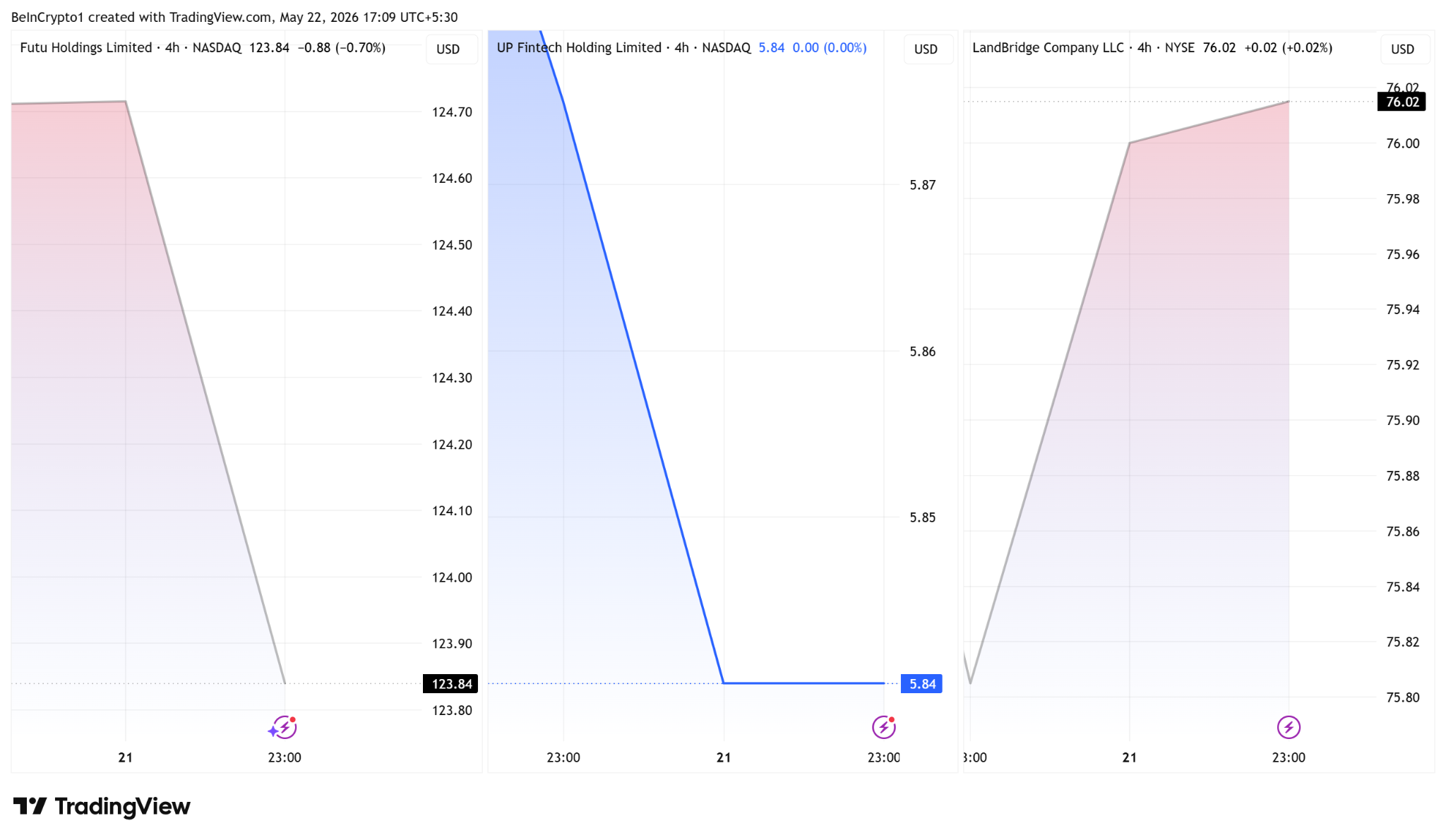
- Futu traded near $123.84, while Tiger Brokers’ parent UP Fintech held near $5.84 after the news.
China’s latest action against offshore brokerage platforms could reshape how mainland investors seek foreign-market exposure. Regulators have moved against Futu, Tiger Brokers, and Longbridge, forcing affected mainland accounts into a two-year wind-down that blocks fresh buying and deposits.
This report looks at what the crackdown targets, why some investors may turn toward USDT and OTC crypto channels, and how the move fits into Beijing’s wider effort to keep capital flows inside approved routes.
China Blocks Fresh Offshore Buying
China’s securities regulator has moved against three Hong Kong-linked online brokers that served mainland investors seeking access to overseas markets. According to Reuters, the regulator accused Futu, Tiger Brokers, and Longbridge of providing cross-border securities, funds, and futures services to mainland users without proper domestic approval.
Affected users will not face an instant lockout. Instead, regulators set a two-year cleanup period. During that period, mainland clients can sell their existing holdings and withdraw funds. However, they cannot place new buy orders or add new deposits through those channels.
Authorities also plan to confiscate illegal gains tied to the affected operations. Reports said the platforms must eventually close their China-facing websites, apps, and servers after the wind-down ends. Legal channels, including Stock Connect, Wealth Management Connect, and QDII programs, remain available, but those routes carry quotas, restrictions, and narrower product menus.
Source: X
Market reaction showed immediate caution. The chart data showed Futu Holdings trading near $123.84, down 0.70%, while UP Fintech, Tiger Brokers’ parent company, stood near $5.84. The moves were not disorderly on the shared chart, but they reflected concern over how much mainland activity may disappear from those businesses.
Meanwhile, Brian Tycangco said the crackdown could create a forced-liquidation setup in Chinese ADRs held by mainland investors using Futu and Tiger. He added that regulators had flagged these offshore brokerage practices for years, so the latest action formalized a risk already hanging over the sector.
Related: Polymarket’s UMA CTF Adapter Contract on Polygon Exploited Over $520K
USDT Premium Shows Capital Pressure
Crypto enters the story through capital controls. Mainland residents face strict limits on legal offshore transfers, including the widely cited $50,000 annual foreign-exchange quota. Those limits make foreign-market access difficult for many retail investors, especially when official channels reach capacity or restrict product choice.
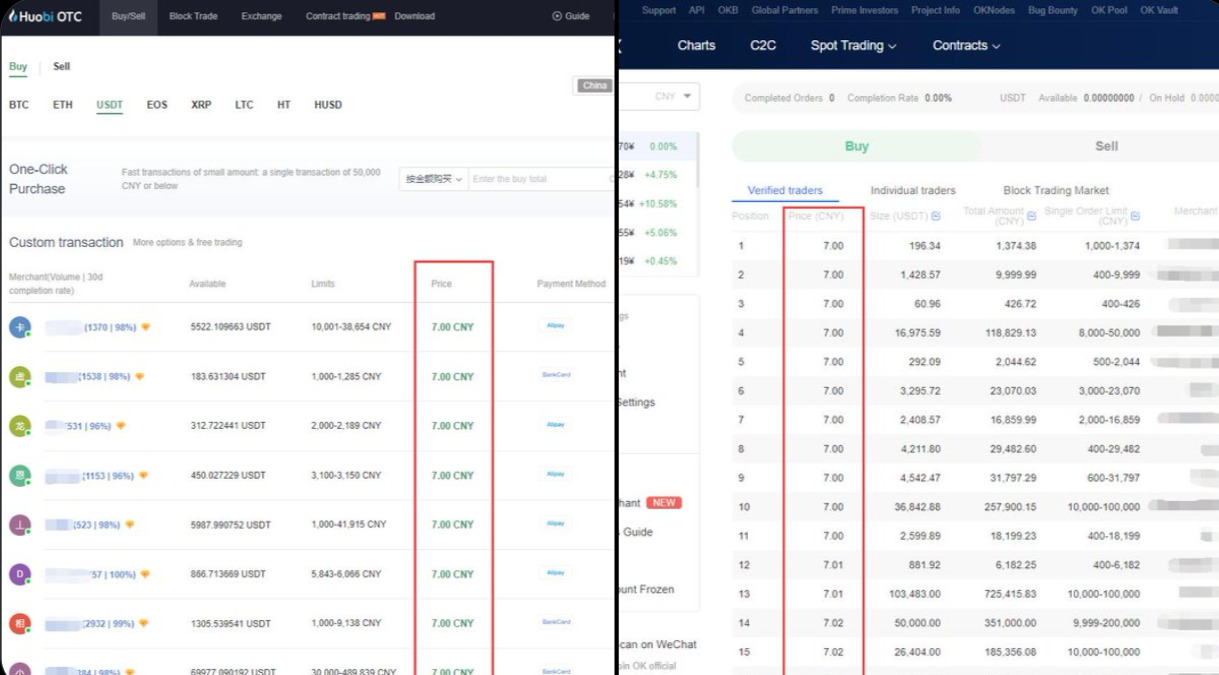
That is why some traders watch USDT premiums during periods of financial pressure. cnLedger said Chinese OTC markets showed strong bids, with USDT quoted near 7 yuan. The post compared that with an official reference near 6.7 yuan per dollar, showing a visible premium for dollar-linked stablecoin access.
Source: X
Such premiums can signal demand for offshore liquidity. In China, OTC and peer-to-peer crypto channels remain one of the main informal routes for users seeking dollar exposure, even after the country’s 2021 crypto trading ban. These markets often operate through offshore platforms, private dealers, and stablecoin settlement.
A premium does not prove that broker-account money is already flowing into crypto. Nevertheless, it shows that demand for USDT remains active while traditional routes face new pressure. If mainland investors cannot add to offshore brokerage accounts, some may look for other ways to hold dollar-linked assets.
Even so, crypto remains risky for Chinese users. Beijing has repeatedly widened enforcement against private digital assets, including stablecoin activity aimed at mainland residents. Any sharp rise in OTC volumes or USDT premiums could draw fresh scrutiny from regulators.
Related: Crypto Tax Debate Intensifies in South Korea After 52,000 Signatures
Beijing Keeps Capital in Approved Channels
China’s move fits a broader policy direction. Authorities want outbound investing to run through licensed, visible, and controllable systems. Offshore brokers that onboard mainland users outside those rules challenge that framework, especially when they connect retail money to U.S. stocks, funds, and derivatives.
Regulators have not banned all overseas investing. They have instead drawn a clearer line between approved channels and unlicensed cross-border access. That distinction matters for investors, since the legal route still exists but comes with slower processes, quota controls, and official oversight.
Notably, the two-year wind-down avoids immediate market shock. It allows users to sell and withdraw over time, reducing the risk of sudden, forced exits across all accounts at once. However, it also prevents investors from rebuilding offshore positions through the affected platforms.
Source: TradingView
Macro conditions add pressure to the story. China continues to manage currency stability, domestic market confidence, and capital outflows while households look for ways to diversify. When stock access tightens, demand can rotate into other channels, including gold, foreign currency, insurance products, overseas funds, and crypto-linked stablecoins.
Futu and Tiger’s price charts show how investors are weighing that risk. Futu slipped toward $123.84 on the shared chart, while UP Fintech held near $5.84 after a small intraday move. The muted chart action may reflect the long wind-down period, but the business impact remains tied to how much mainland trading activity those platforms lose.
For crypto markets, USDT pricing may become the clearest signal to watch. A sustained move above fair dollar-yuan conversion levels could suggest rising demand for stablecoin rails. A fading premium would show that the broker crackdown has not triggered a major crypto rotation.
Disclaimer: The information presented in this article is for informational and educational purposes only. The article does not constitute financial advice or advice of any kind. Coin Edition is not responsible for any losses incurred as a result of the utilization of content, products, or services mentioned. Readers are advised to exercise caution before taking any action related to the company.