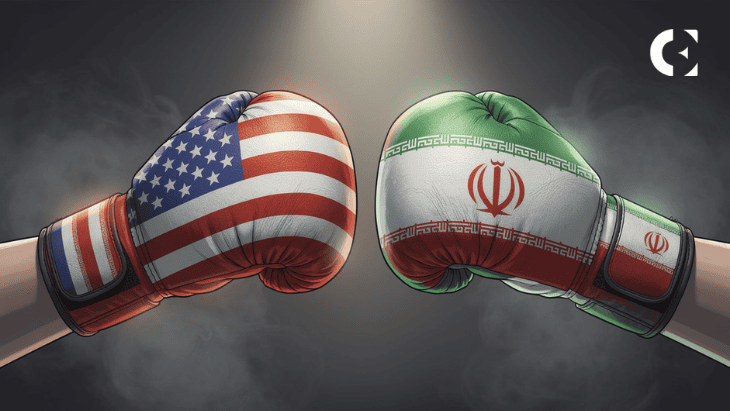

U.S. and Iranian negotiators are weighing a phased agreement that could reopen the Strait of Hormuz. The proposal would link restored shipping access with Washington easing its economic blockade against Tehran.
The discussions in New York reflect growing pressure on both governments to find an exit from months of confrontation. However, neither side wants to surrender its strongest bargaining tool without securing meaningful concessions.
Hormuz Becomes Key Bargaining Chip
Iran views sanctions relief and access to frozen funds as essential steps toward economic recovery. Consequently, Tehran has signaled openness to restoring navigation if Washington removes key economic restrictions.
Regional officials say Iran could move its demand for transit fees into a separate agreement. That approach could simplify negotiations while allowing Tehran to preserve its broader position on the waterway.
Moreover, Gulf states oppose any arrangement that grants Iran lasting control over Hormuz. They continue to demand unrestricted navigation through the critical energy corridor.
Midterms Add Pressure
The November 3 U.S. congressional elections could influence the timing of any agreement. President Donald Trump has indicated that negotiations could continue after the elections.
However, former U.S. negotiator Dennis Ross sees limited prospects for a deal before the vote. Meanwhile, Iran continues preparing for renewed conflict if diplomacy fails.
Significantly, prolonged disruption around Hormuz could keep pressure on global energy markets. Reopening the waterway could therefore reduce regional tensions and ease concerns over oil supplies.
Related: Ondo Launches Onchain Portfolios Using BlackRock Model Strategies
Disclaimer: The information presented in this article is for informational and educational purposes only. The article does not constitute financial advice or advice of any kind. Coin Edition is not responsible for any losses incurred as a result of the utilization of content, products, or services mentioned. Readers are advised to exercise caution before taking any action related to the company.