
- David Schwartz says fee revenue is a poor measure of blockchain performance.
- XRP Ledger burns transaction fees instead of distributing payments to validators.
- The debate centers on XRP burns, investor metrics, and XRPL’s low-cost design.
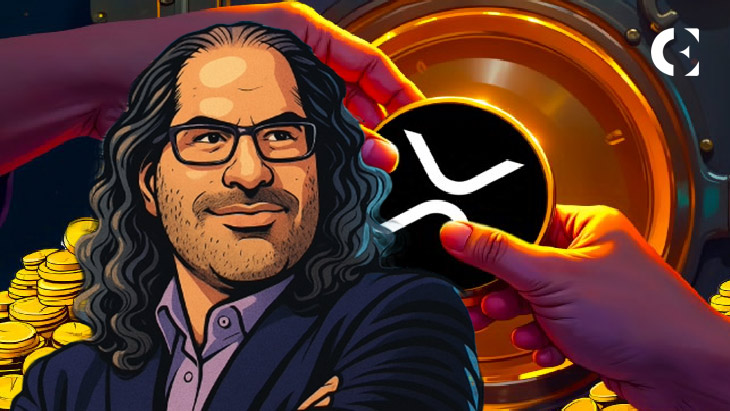
David Schwartz pushed back against fee revenue as a measure of blockchain performance after a discussion about raising XRP Ledger transaction fees to increase XRP burns. Responding on X, he argued that higher fees reflect costs paid by users rather than value created by the network.
The discussion began with a proposal to raise XRPL’s low base fee, potentially increasing the amount of XRP burned with each transaction. The exchange highlights a broader question for the ledger: should it prioritize higher fee revenue and token burns, or maintain near-zero costs to support payments and tokenization?
Proposal Links Higher Fees to XRP Burns
Crypto enthusiast ProbablyRight said investors and analysts tend to value Layer 1 networks by fee revenue, making XRP Ledger appear small under that comparison because its base transaction fee is a fraction of a cent. However, XRPL handles fees differently from networks where transaction charges are paid to validators. The XRP used for transaction fees is burned, permanently removing it from circulation.
Therefore, ProbablyRight asked whether validators could raise the base fee by 10x or even 100x while keeping transactions inexpensive, potentially increasing XRP burn volume without making transactions prohibitively costly.
Schwartz Puts Fee Payers at the Center
Schwartz challenged the premise that higher fee revenue necessarily measures a blockchain’s performance. “I think fee revenue is a terrible metric since it measures how much friction the chain ‘didn’t’ remove,” he wrote.
He then highlighted the different interests of those collecting fees and those paying them. While fee collectors benefit from revenue, he questioned how that perspective accounts for users’ costs.
“But what about the people who pay the fees? Who cares about their interests?” Schwartz asked.
Low Costs Remain Central to the Adoption Question
The exchange ultimately raises a question about what matters more for XRPL adoption: increasing XRP burns and improving fee-based metrics, or maintaining the low transaction costs that support payments and tokenization.
For XRPL, the debate is therefore not simply about how much XRP can be burned. It is about whether higher fees would strengthen the network’s perceived value or undermine one of its core advantages: inexpensive transactions.
Related: XRP Ledger Upgrade Nears Activation With 29 Validators Backing Batch V1.1
Disclaimer: The information presented in this article is for informational and educational purposes only. The article does not constitute financial advice or advice of any kind. Coin Edition is not responsible for any losses incurred as a result of the utilization of content, products, or services mentioned. Readers are advised to exercise caution before taking any action related to the company.