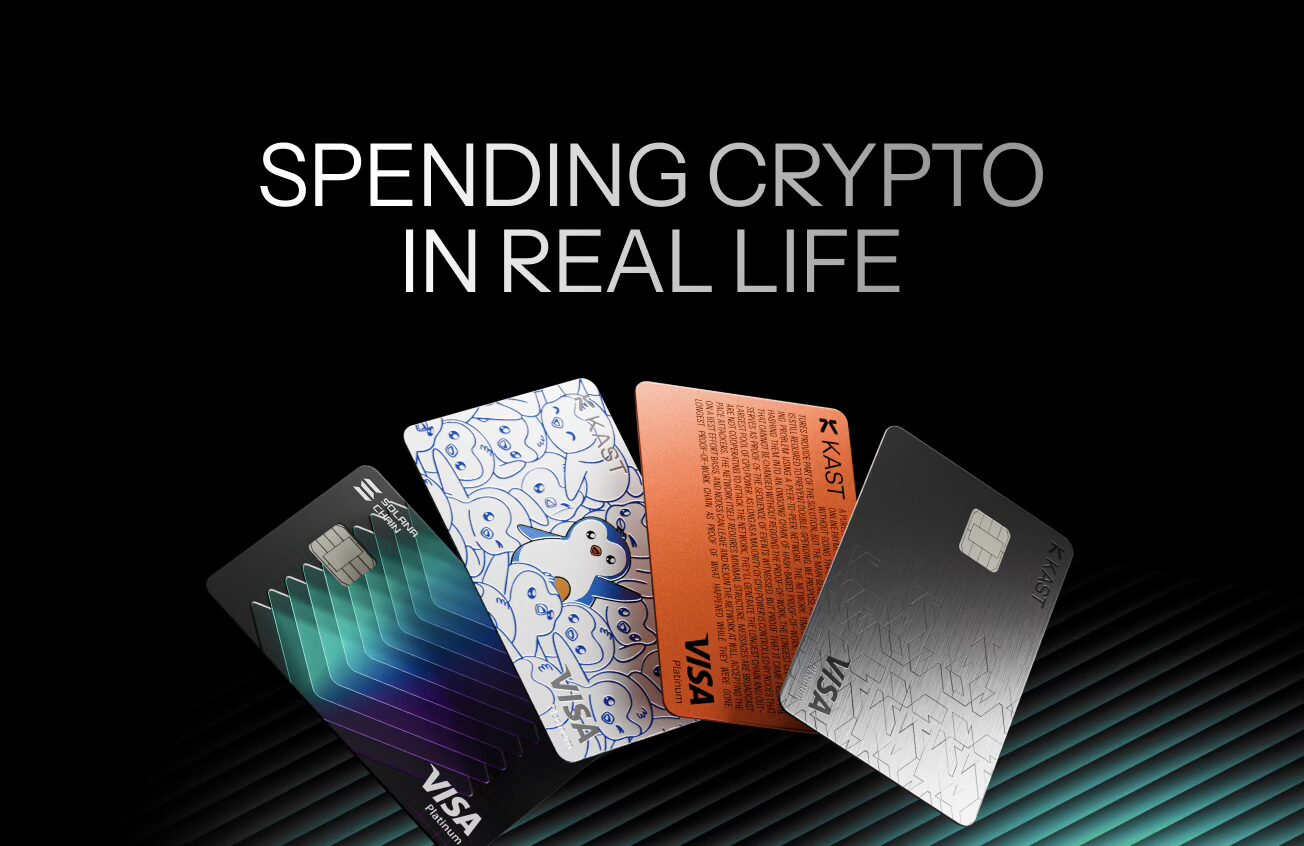

Crypto has promised real-world payments for years. But only recently has it started to feel normal -not because every store accepts Bitcoin, but because the way people use digital money has changed.
In 2026, the shift is clear: everyday crypto spending is no longer about volatile assets. It’s about stablecoins – balances that behave predictably and can be used without second-guessing the value at checkout.
The question is no longer “Can you spend crypto?”
It’s “Can you spend it without friction?”
Why Spending Crypto Still Feels Different
Onchain, crypto works smoothly. You can send funds instantly, move between wallets, and operate globally without relying on banks.
But real-world payments follow a different system.
When you pay for coffee, subscriptions, or travel, you’re using traditional infrastructure – card networks, mobile wallets, and fiat settlement. Crypto doesn’t replace this system. It connects to it.
That’s where friction appears.
You might have funds ready, but still pause before paying – thinking about conversions, fees, or whether the transaction will go through. Even when it works, it doesn’t always feel seamless.
What a Crypto Card Actually Does
This is where crypto cards become important.
A crypto card works like a traditional card, but instead of pulling money from a bank account, it uses your crypto balance. When you make a payment, your crypto – often stablecoins – is automatically converted into local currency at that moment.
From the merchant’s side, nothing changes. They receive fiat as usual. From your side, it feels like a normal card payment.
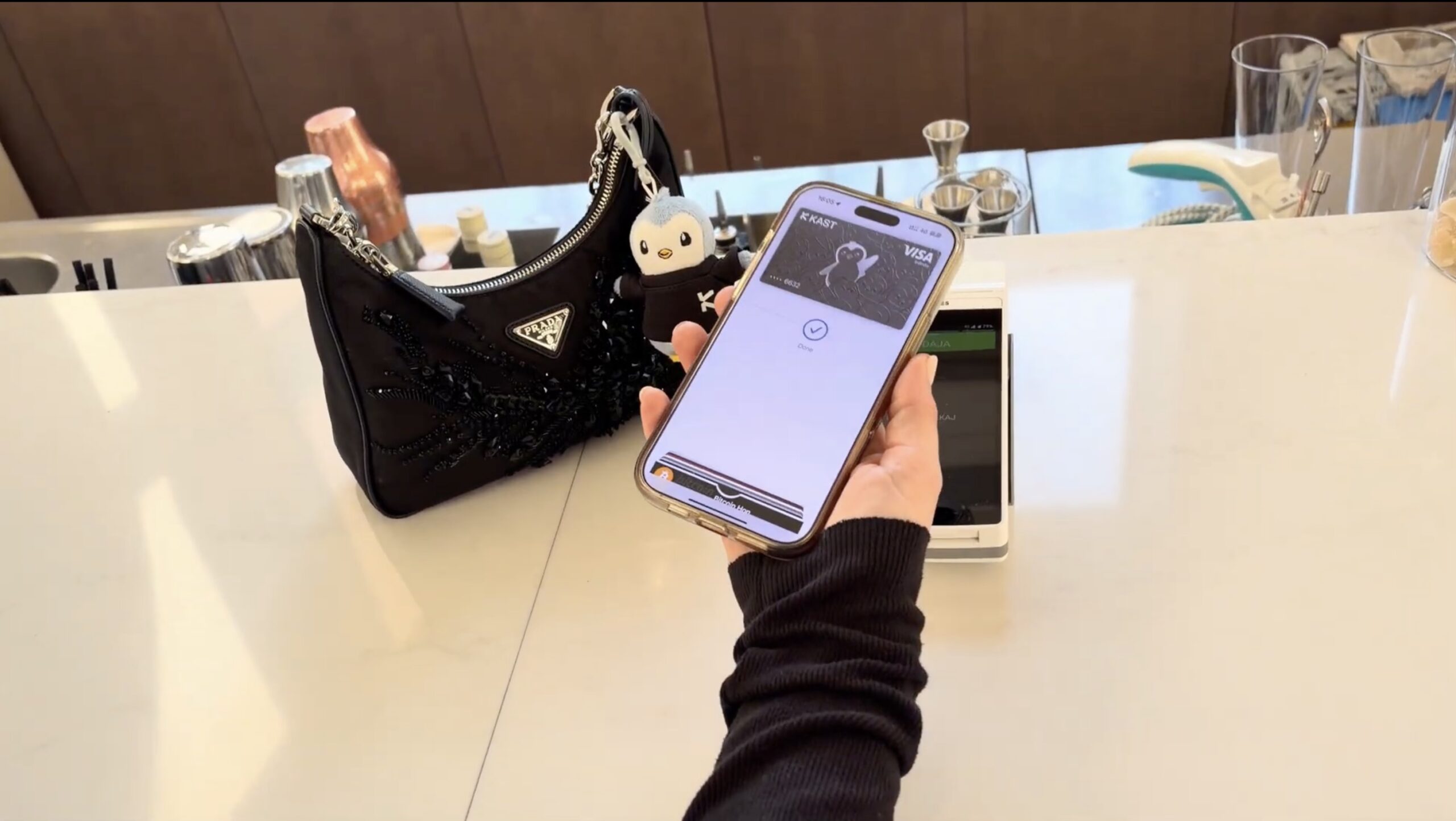
The complexity stays in the background.
Why Stablecoins Power Everyday Spending
Stablecoins are what make this setup practical.
Volatile assets like Bitcoin or Ethereum can be useful for holding, but they’re not ideal for daily payments. Prices change too quickly, which makes everyday spending unpredictable.
Stablecoins solve this by keeping value stable enough to budget and spend. That’s why most real-life crypto payments in 2026 follow a simple flow:
- You hold stablecoins
- You pay using a card or mobile wallet
- The conversion happens automatically at checkout
This removes the need to think about timing or price fluctuations.
What Actually Happens When You Pay
When everything is set up correctly, the process is simple:
- You tap your phone or card
- The payment is approved instantly
- The merchant receives fiat
- Your balance is deducted in the background
You don’t need to sell crypto manually or move funds before paying.
But when the setup is not optimized, the experience changes. You might need to switch apps, convert assets, or deal with failed transactions that don’t clearly explain why.
That’s the difference between having access and being able to use your money easily.
Choosing the Right Way to Spend Crypto
There are several ways to spend crypto, but they don’t all work the same in practice.
Direct wallet payments are useful in crypto-native environments or peer-to-peer transfers. But for everyday spending – shopping, subscriptions, travel – they’re still limited.
Card-based solutions are more practical because they connect directly to existing payment systems.
This is where solutions like the KAST Card come into play. Instead of requiring you to prepare funds before every payment, your stablecoin balance is already linked to a usable card. Whether you’re paying online, in-store, or using Apple Pay or Google Pay, the experience remains consistent.
Because it runs on standard payment rails, it also works in scenarios where many crypto solutions struggle – like hotel bookings or car rentals that require pre-authorizations.
Where Most Costs Come From (And How to Avoid Them)
Crypto spending can feel expensive if you don’t understand where costs come from.
The most common sources are:
- Network (gas) fees
- Conversion spreads
- Foreign exchange (FX) fees
- ATM withdrawals
- Dynamic Currency Conversion (DCC) markups
A few simple habits can help reduce these costs.
When paying abroad, choose local currency instead of your home currency to avoid hidden markups. Try to batch transfers instead of making multiple small ones. And when possible, pay directly with your card instead of withdrawing cash, which often adds extra fees.
The goal is not to eliminate fees completely – it’s to make them predictable.
What a Practical Setup Looks Like
You don’t need a complex system to make crypto work in real life. What matters is consistency.
A simple setup usually includes:
- A stablecoin balance for spending
- A card-based payment method connected to that balance
- Minimal transfers and conversions
When your money is already in a usable form, you stop preparing before every payment.
That’s when crypto starts to feel like normal money.
Rewards and Benefits
Spending crypto is not just about convenience – it can also be rewarding in a very practical way.
Many crypto cards now offer benefits similar to traditional cards. You can earn cashback on everyday purchases, and in some cases, rewards increase depending on your usage or membership tier. For example, KAST offers up to 3% cashback on eligible transactions, making daily spending more valuable over time.
Some setups also include tiered benefits, where higher levels unlock better rewards, lower fees, or added perks like travel-related advantages and premium service.
There are also more advanced options. Certain cards allow you to boost rewards through staking, while others offer referral programs that give bonuses when you invite others.
These features don’t change how you pay – but they make using crypto for everyday spending more worthwhile.
Where Crypto Spending Actually Works Best
The advantages of crypto spending become more visible in everyday scenarios.
When you travel, you don’t need to withdraw cash or deal with exchange services. You pay directly, and the system handles the conversion.
For remote workers or global earners, stablecoins simplify receiving funds. The challenge is spending them easily – something a smooth card setup solves.
Even for daily expenses – subscriptions, shopping, or transport – the experience improves when you don’t switch between systems. You just pay.
What to Look for Before Choosing a Crypto Card
Before choosing a solution, focus on how it behaves in real life.
Ask yourself:
- Do you need to prepare before paying?
- Are fees clear before confirming?
- Does it work globally without changes?
- Can you use it for both small and larger payments?
- Does it feel like a normal card experience?
The best setup removes decisions at checkout.
Bringing It All Together
Crypto didn’t become practical because stores changed how they accept payments.
It became practical because stablecoins made value predictable, and payment layers made spending familiar.
That’s where solutions like the KAST Card make a difference – by connecting stablecoin balances to everyday payments without adding extra steps. You don’t need to manage multiple systems or prepare before each transaction. You simply use your money the way you already expect to.
Because in the end, crypto only becomes real money when you can spend it as easily as anything else.
Disclaimer: The information presented in this article is part of a sponsored/press release/paid content, intended solely for promotional purposes. Readers are advised to exercise caution and conduct their own research before taking any action related to the content on this page or the company. Coin Edition is not responsible for any losses or damages incurred as a result of or in connection with the utilization of content, products, or services mentioned.