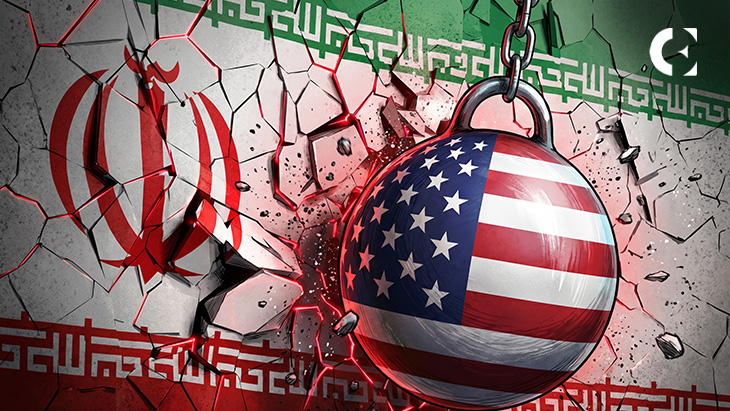

- Iran offered to reopen the Strait of Hormuz if the US lifts its naval blockade and agrees to end the war.
- Tehran wants to postpone talks on its nuclear program until after the war ends.
- The proposal reached Washington through Pakistan, which has acted as a mediator.
Iran has put forward a new proposal that shifts the immediate focus from its nuclear program to the Strait of Hormuz, offering to reopen the waterway if the United States lifts its naval blockade on Iranian ports and agrees to end the war. The offer marks a tactical reset from Tehran, which is trying to move the talks toward de-escalation in the Gulf before entering a more complex fight over enrichment and long-term nuclear limits.
Washington has not embraced that sequencing. Early signals from the Trump administration show that officials see the proposal as incomplete, with the White House focusing on the fact that Tehran wants to postpone the nuclear file rather than address it in the current round. That leaves the negotiations stuck between two urgent priorities: shipping security in Hormuz and the broader strategic issue of Iran’s nuclear program.
Hormuz Moves To the Center
Iran’s latest offer aims to reopen the Strait of Hormuz without immediately accepting new restraints on its nuclear activities. In exchange, Tehran wants the United States to lift the naval blockade imposed on Iranian ports after the ceasefire period began and to move toward ending the war.
That approach reflects the weight of the Strait in the current crisis. The passage normally carries about one-fifth of the world’s oil and liquefied natural gas supplies, so any disruption immediately raises the economic stakes for the Gulf, global shipping, and energy markets. Iran has already used that leverage by effectively closing the strait and adding pressure to supply chains and prices.
Tehran Redraws the Sequence
Notably, the new proposal differs from earlier efforts in one crucial way: it separates the Strait of Hormuz from the nuclear file. Tehran is effectively arguing that the Gulf crisis needs immediate treatment, while the nuclear issue should wait until the war ends and technical negotiations can resume under calmer conditions.
Moreover, the proposal reached Washington through Pakistan, which has been acting as a mediator between the two sides. Iranian state-linked messaging described the communication as tied to Tehran’s “red lines,” especially on nuclear issues and Hormuz, while also presenting it as an initiative to clarify the regional situation rather than a full negotiation package.
Washington Keeps the Nuclear File First
Meanwhile, the US response so far has been cautious and largely dismissive. President Donald Trump met top security advisers on Monday to discuss the proposal, yet early reporting showed dissatisfaction inside the administration over the absence of concrete nuclear terms. Reuters reported that Trump was unhappy with the offer, while CNN said he was unlikely to accept it in its current form.
Secretary of State Marco Rubio struck a slightly more measured line, saying the proposal was “better than what we thought they were going to submit,” while still warning that any agreement must definitively prevent Iran from moving toward a nuclear weapon. Notably, that response keeps the administration’s leverage strategy intact: Washington does not want to give up the blockade before it gets movement on the nuclear issue.
Related: Trump Says Iran in “State of Collapse,” Signals Urgent Push to Reopen Hormuz Strait
Disclaimer: The information presented in this article is for informational and educational purposes only. The article does not constitute financial advice or advice of any kind. Coin Edition is not responsible for any losses incurred as a result of the utilization of content, products, or services mentioned. Readers are advised to exercise caution before taking any action related to the company.