

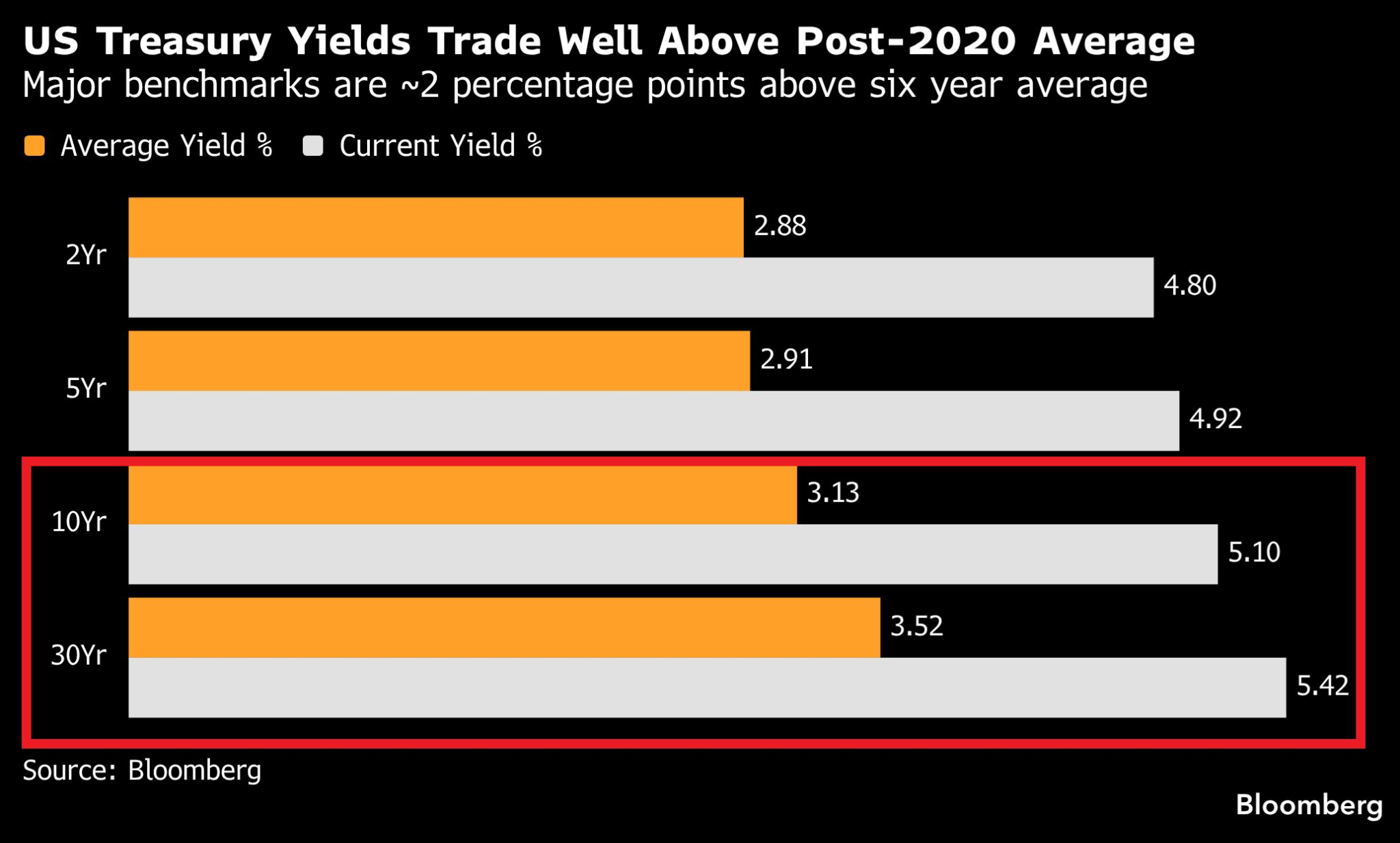
- U.S. 10-year Treasury yields near 5.10% exceed their six-year average of 3.13%.
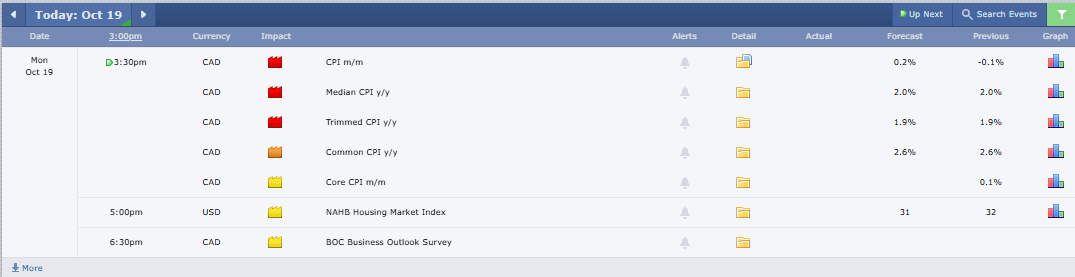
- Canada’s September CPI is forecast at 3.2% annually as USD/CAD approaches 1.4000.
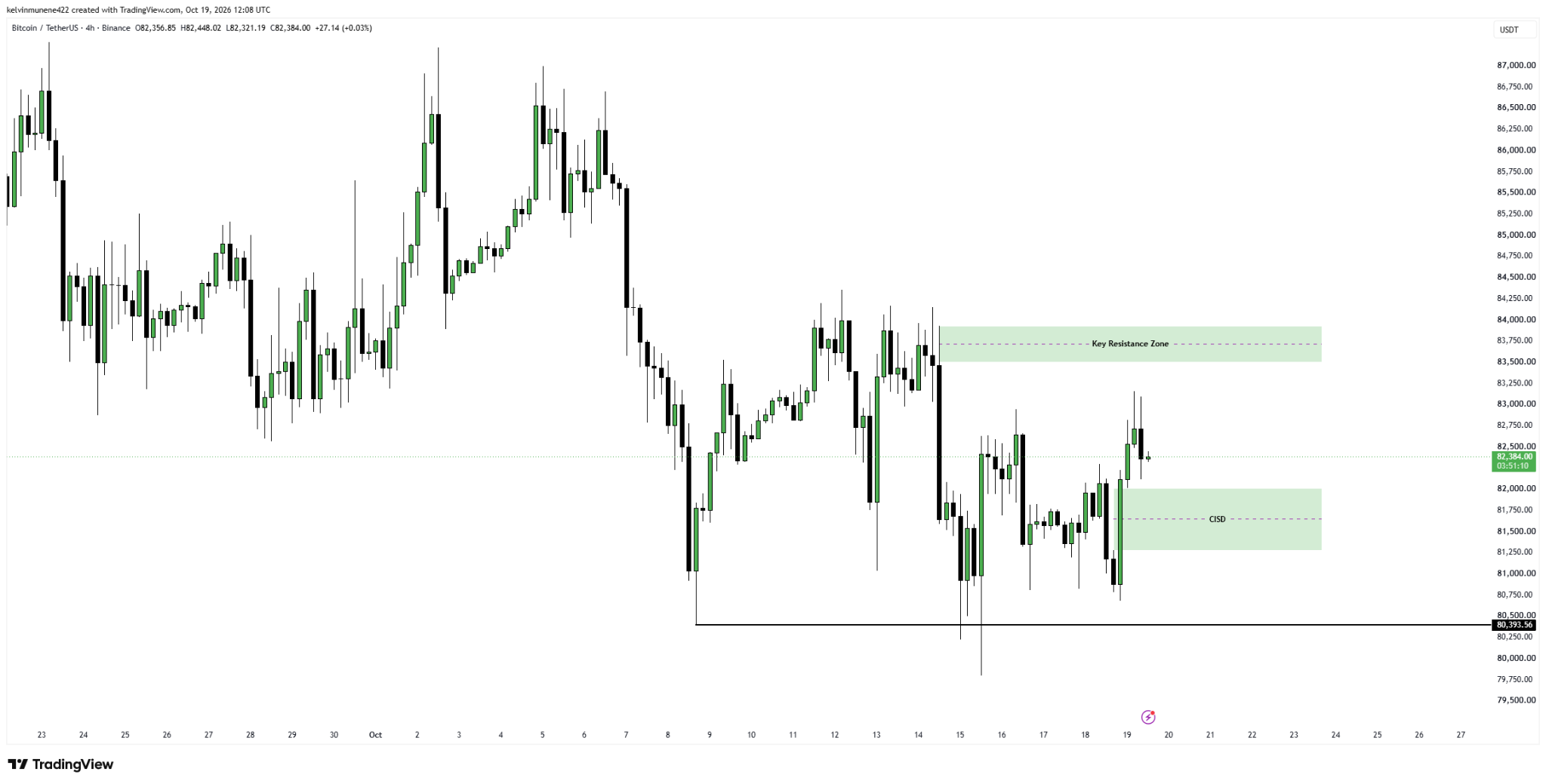
- Bitcoin rebounded toward $82,885 after trading below $80,400, while yields stayed high.
Elevated U.S. Treasury yields are keeping global borrowing costs and investor appetite for risk under pressure as Canada’s September inflation report approaches. The 10-year benchmark stands near 5.10%, against a six-year average of 3.13%, while the 30-year yield is around 5.42% versus 3.52%.
Source: X
Despite these levels, the 10-year rate eased toward 5.08% on Monday, distinguishing persistent pressure from a fresh surge. Meanwhile, USD/CAD has retreated from 1.4300 toward 1.4000, reflecting a firmer Canadian dollar ahead of the report.
| Indicator | Key Level | Market Significance |
| U.S. 10-Year Yield | 5.10% | Elevated financing costs |
| U.S. 30-Year Yield | 5.42% | Long-term borrowing pressure |
| USD/CAD | 1.4035–1.4000 | Critical support zone |
| Bitcoin | $83,500–$83,600 | Immediate resistance |
The combination places currency positioning, interest-rate expectations, and Bitcoin’s sensitivity to financial conditions under examination. Higher Treasury returns can attract capital seeking income while making debt refinancing more expensive.
Treasury Yields Near 5.10% Raise Liquidity Risks Before Canada CPI
Despite last week’s retreat, Treasury yields remain elevated after an earlier surge above 5.30%, sustaining pressure on borrowing costs. Meanwhile, September U.S. consumer inflation reached 3.7% annually, while producer prices climbed 1.3% monthly, reinforcing concerns over persistent inflation and monetary policy.
The Federal Reserve’s October 27–28 meeting provides another policy reference for bond investors. Higher risk-free yields also raise the opportunity cost of holding non-yielding assets such as Bitcoin. However, that relationship does not establish immediate selling or prove shrinking cryptocurrency liquidity.
Source: TradingView
Binance’s four-hour chart placed BTC near $82,885 after a recovery from below $80,400. Resistance at $83,500–$83,600 remains an independent technical hurdle. Both markets remain sensitive to changing monetary policy expectations.
Canada CPI Forecast at 3.2% Puts USD/CAD’s 1.4000 Support in Focus
Against this backdrop, Canada’s September inflation is forecast to reach 3.2% annually, with monthly prices rising 0.2%. This follows August’s 3.0% annual reading and precedes the Bank of Canada’s October 28 decision, with its policy rate currently at 2.25%.
Source: Forex Factory
A stronger-than-forecast result would sharpen scrutiny of Canadian rate expectations, potentially supporting the loonie despite elevated U.S. yields. Conversely, softer inflation would weaken that particular source of currency support, without establishing a dollar rally.
Meanwhile, USD/CAD faces moving-average support around 1.4035 and 1.4000, while the 200-day average sits near 1.3880. For Bitcoin, the decisive evidence remains actual liquidity conditions and price behavior, rather than yield levels alone.
Bullish and Bearish Market Scenarios
| Scenario | Trigger | Potential Outcome |
| Bullish CAD | Canada’s CPI exceeds the 3.2% forecast. | USD/CAD tests 1.4000 |
| Bearish CAD | Inflation disappoints; U.S. yields remain elevated. | Dollar strengthens |
| Bullish BTC | Break above $83,600. | $87,000 becomes possible. |
| Bearish BTC | Break below $81,500. | Recovery structure weakens. |
Frequently Asked Questions (FAQs)
Higher yields increase borrowing costs and competition for investment capital.
Hotter inflation could support the Canadian dollar through interest-rate expectations.
Higher bond returns increase the opportunity cost of holding non-yielding assets.
The immediate resistance zone stands between $83,500 and $83,600.
Related: Bitcoin Price Outlook: Weekly Sell-Side Liquidity Sweep Could Propel BTC Toward $87K
Disclaimer: The information presented in this article is for informational and educational purposes only. The article does not constitute financial advice or advice of any kind. Coin Edition is not responsible for any losses incurred as a result of the utilization of content, products, or services mentioned. Readers are advised to exercise caution before taking any action related to the company.