
- The U.S. sanctioned two Iranian crypto exchanges over alleged illicit finance.
- Treasury linked the exchanges to Iran’s shadow banking and IRGC network.
- The sanctions increase pressure on crypto firms with business ties to Iran.
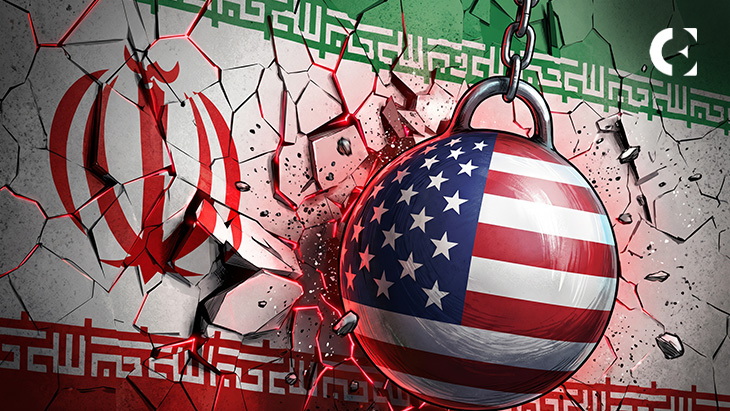
The United States imposed sanctions on two Iranian cryptocurrency exchanges, accusing them of helping Tehran evade sanctions through illicit financial activity.
The U.S. Treasury Department announced the measures on Friday, saying the exchanges were part of a broader network tied to Iran’s shadow banking system. Treasury said Iranian actors used lightly regulated crypto platforms, corporate networks and online gambling operations to move digital assets.
The department linked the activity to Iran’s Islamic Revolutionary Guard Corps, or IRGC. The sanctions follow a Reuters investigation that identified Dubai-based Shelbit as a key hub in the network.
Shelbit Draws Scrutiny
The Treasury Department also sanctioned Shelbit operator Siavash Kayvanpour and several companies it said were part of his network. Officials accused Shelbit of processing millions of dollars in transactions tied to Iranian gambling operations. The department also sanctioned Aban Tether, another Iranian cryptocurrency exchange, saying it operates in Iran’s financial sector.
Related: Trump Warns U.S. Risks Losing Crypto Lead as CLARITY Act Talks Stall
“The Iranian regime’s reliance on digital assets and shadow banking networks is further evidence that Economic Fury is working,” Treasury Secretary Scott Bessent said.
UAE Regulator Raises Concerns
Dubai’s Virtual Assets Regulatory Authority (VARA) had previously flagged Shelbit for alleged money laundering and terrorism financing violations. The platform continued operating after earlier enforcement actions, and the latest U.S. sanctions add to the pressure on crypto businesses with ties to Iran.
The Treasury Department’s Office of Foreign Assets Control (OFAC) said any property or interests in property subject to the sanctions must remain blocked. OFAC said violations of the sanctions could result in civil or criminal penalties, increasing the legal risks for businesses and individuals that continue dealing with the designated entities.
Related: South Korea Expands Travel Rule: What It Means for Your Wallet
(adsbygoogle = window.adsbygoogle || []).push({});Disclaimer: The information presented in this article is for informational and educational purposes only. The article does not constitute financial advice or advice of any kind. Coin Edition is not responsible for any losses incurred as a result of the utilization of content, products, or services mentioned. Readers are advised to exercise caution before taking any action related to the company.