
- Treasury sanctioned two Iranian firms brokering Bitcoin paid Hormuz insurance.
- Markets assign a 12.5% chance of Strait of Hormuz traffic normalizing by Aug. 31.
- Bitcoin could face liquidity pressure if Iran expands Bitcoin-based maritime payments.
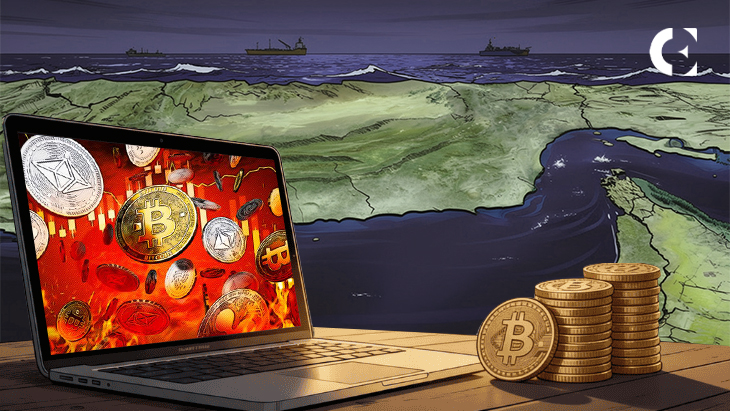
The US Treasury sanctioned two Iranian entities this week, the Persian Gulf Marine Insurance Company and HormuzSafe Marine Services Authority. Both broker IRGC-approved insurance that forces commercial vessels to buy coverage before transiting the Strait of Hormuz.
Treasury said the policies claim to protect ships from risks that Iran itself creates, and the coverage also accepts digital asset payments designed to dodge sanctions.
Bitcoin Enters A Sanctions Fight
HormuzSafe, built by Iran’s Ministry of Economy, offers insurance, traffic control and security services to vessels crossing the strait, and takes payment in Bitcoin. Treasury Secretary Scott Bessent said Iran’s regime is desperate for cash amid an economy in freefall and triple-digit inflation.
The Treasury also sanctioned eight shadow fleet tankers and their owning companies for moving Iranian crude. More than 100 vessels tied to Iran’s shadow fleet have faced sanctions this year alone.
Why Traders Are Watching
The Strait of Hormuz carries roughly 20% of global oil shipments. Prediction markets currently price just a 0.4% chance of the US charging passage fees by July 31. The odds of traffic normalizing by August 31 slipped to 12.5%, down from 14% a day earlier.
Does This Move Bitcoin And Crypto?
History suggests it does, in both directions. Sharp escalations near the strait have pushed crude past $112 a barrel before, stoking inflation fears that pressure the Fed toward rate hikes and drag risk assets like Bitcoin lower.
The reverse holds too. A recent pause in strikes sent Brent tumbling to $87, and Bitcoin quickly stabilized near $64,000-$65,000 with a relief rally across DeFi tokens like AAVE and LDO.
The Treasury has also made clear that paying in Bitcoin does not change legal liability. Shipping firms and exchanges touching these transactions risk asset seizures and secondary sanctions, and expect closer surveillance of any wallet addresses linked to the IRGC.
If Iran’s Bitcoin-based toll scheme scales toward the billions state media has floated, it could strain daily BTC liquidity even as it forces crypto deeper into the center of global trade and sanctions enforcement.
Related: Signum’s Hormuz TACO Index Signals Possible Trump-Iran Pivot by Late July
Disclaimer: The information presented in this article is for informational and educational purposes only. The article does not constitute financial advice or advice of any kind. Coin Edition is not responsible for any losses incurred as a result of the utilization of content, products, or services mentioned. Readers are advised to exercise caution before taking any action related to the company.