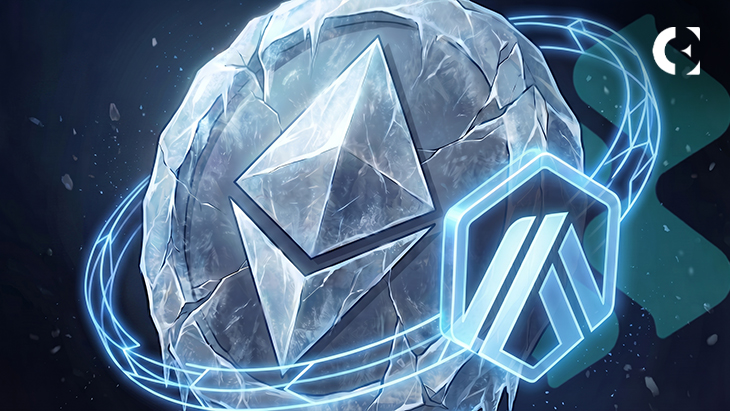

- Arbitrum froze 30,766 ETH after the $292M Kelp DAO exploit linked to Lazarus hackers.
- Gerstein Harrow moves to block frozen ETH transfers, linking assets to $877M DPRK judgments.
- Aave Labs proposed sending the frozen ETH to DeFi United to compensate rsETH holders.
A frozen pile of stolen ETH from the Kelp DAO exploit has become the center of a new legal fight in the United States. According to an official report, Gerstein Harrow LLP is trying to stop Arbitrum DAO from moving the assets, citing older judgments against North Korea.
The dispute adds a new layer to the April 18 hack, which drained $292 million from Kelp DAO. Per reports, the attack was linked to TraderTraitor, a subgroup of Lazarus Group, North Korea’s state-backed hacking network.
Court Filing Targets Frozen Arbitrum Funds
Charlie Gerstein, a lawyer at Gerstein Harrow LLP, said a New York district court approved a restraining notice and three writs of execution. The order seeks to prevent Arbitrum DAO from transferring the frozen ETH under threat of contempt.
The firm also represents clients who were not victims of the Kelp DAO exploit. It argued that they won default judgments against North Korea in three US court cases from 2010, 2015, and 2016.
Those judgments total more than $877 million in compensation and punitive damages before interest. The filing says the stolen ETH qualifies as property in which the DPRK has a stake.
Gerstein Harrow cited the Foreign Sovereign Immunities Act and the Terrorism Risk Insurance Act. It is also named the Lazarus Group and APT-38 as alleged instrumentalities of North Korea.
Arbitrum’s Security Council froze 30,766 ETH, worth more than $73 million, after identifying attacker-linked wallets. The assets were moved into a controlled wallet on April 20.
Victims Face Delay as Competing Claims Grow
The freeze may delay recovery for Kelp DAO victims. Initially, Aave Labs proposed on April 25 that Arbitrum unfreeze the funds and send them to DeFi United. That fund was designed to restore rsETH and compensate holders affected by the exploit.
However, the restraining notice now places another legal claim over the same assets. An Arbitrum DAO member, Zeptimus, said the firm’s request could shift North Korea’s debt onto unrelated victims.
They argued that blocking returns would compound harm rather than fix it. The filing connects the claim to the killing of Reverend Kim Dong-shik by North Korean agents. One related judgment awarded about $330 million in damages.
Gerstein Harrow has pursued similar claims before. In February, it filed against Tether-frozen funds linked to the 2023 Heco Bridge hack. Onchain investigator ZachXBT criticized the strategy on X, calling the firm’s approach “pure evil.”
He said the firm appears after Lazarus-linked freezes and claims funds tied to unrelated victims. The case now places Arbitrum, Kelp DAO victims, and judgment creditors in a difficult clash. At stake is whether frozen crypto should repay past terrorism judgments or return to exploit victims.
Related: North Korea Refutes Crypto Hack Claims, Warns of Counter Measures
Disclaimer: The information presented in this article is for informational and educational purposes only. The article does not constitute financial advice or advice of any kind. Coin Edition is not responsible for any losses incurred as a result of the utilization of content, products, or services mentioned. Readers are advised to exercise caution before taking any action related to the company.