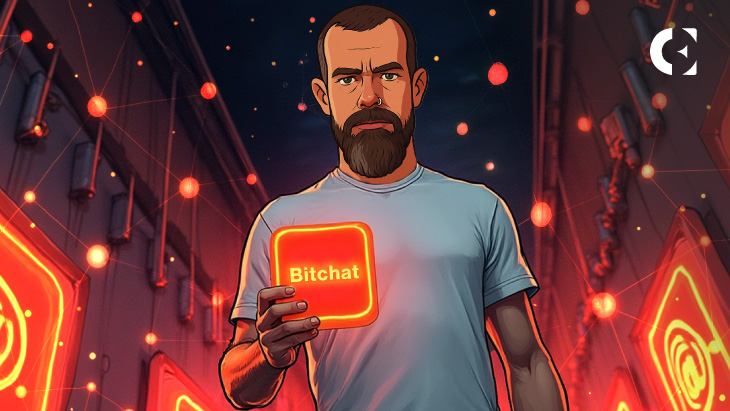

- Bitchat recorded over 91,000 downloads in India within five days amid network disruptions.
- Bitchat hit 330K India users as downloads jumped 32x in a single day.
- India’s takedown order gave GitHub just three hours to remove three repos total.
Bitchat, the offline Bluetooth messaging app backed by Jack Dorsey, recorded a sharp rise in adoption across India, with more than 91,000 downloads in just five days as users increasingly turned to internet-independent communication during recent protests and mobile network disruptions.
Sensor Tower data shared with TechCrunch shows India accounted for about 85% of Bitchat’s global downloads between July 17 and July 23, compared with roughly 1% over the previous month. Downloads in India jumped 32-fold on July 19 alone, while daily active users surpassed 330,000 by July 24, marking a new record for the app.
Internet Shutdowns Fueled Adoption
The surge coincided with ongoing student protests in New Delhi. Demonstrators, part of what’s known as the “cockroach” movement, have called for Education Minister Dharmendra Pradhan’s resignation over alleged exam paper leaks linked to NEET-UG.
Authorities suspended mobile internet around Jantar Mantar roughly five times beginning July 17. Local reports indicate that some protesters turned to offline messaging apps such as Bitchat and Briar to continue communicating after internet services were cut.
Government Orders GitHub to Remove Bitchat Repositories
As Bitchat gained popularity, India’s government directed GitHub to remove three repositories related to the app, giving the platform just three hours to comply.
Jack Dorsey shared the notice on X, saying it came from India’s Ministry of Home Affairs. Dated July 23 and issued by the Indian Cybercrime Coordination Centre (I4C), the order argued that Bitchat’s anonymous, decentralized design could facilitate unlawful activity by enabling communication during internet shutdowns while making lawful interception more difficult.
“The government of india does not like technologies like bitchat and wants it taken down,” Dorsey wrote.
Legal Experts Question the Takedown Order
Digital rights advocates say the legal basis for the order is unclear. Mishi Choudhary, founder of SFLC.in, told TechCrunch that India typically relied on Section 69A of the IT Act and the 2009 Blocking Rules for nationwide takedowns before 2021.
The current notice, she said, doesn’t clearly authorize removing an entire software project based on how it functions rather than any specific illegal content. Unlike standard takedown requests, the order doesn’t point to particular posts or messages, focusing instead on the app’s ability to work without central servers or internet access.
Open-Source Copies Continue to Spread
Despite the takedown request, Bitchat’s source code has already begun spreading across alternative platforms. Developers have mirrored the project on decentralized code-hosting service Radicle, making a complete removal significantly more difficult.
The episode has also sparked broader debate over whether governments can target open-source software because of its underlying architecture rather than specific illegal content, particularly as offline and decentralized communication tools gain wider adoption.
Related: Jack Dorsey’s Bitchat Hit With India Censorship Order on GitHub
Disclaimer: The information presented in this article is for informational and educational purposes only. The article does not constitute financial advice or advice of any kind. Coin Edition is not responsible for any losses incurred as a result of the utilization of content, products, or services mentioned. Readers are advised to exercise caution before taking any action related to the company.