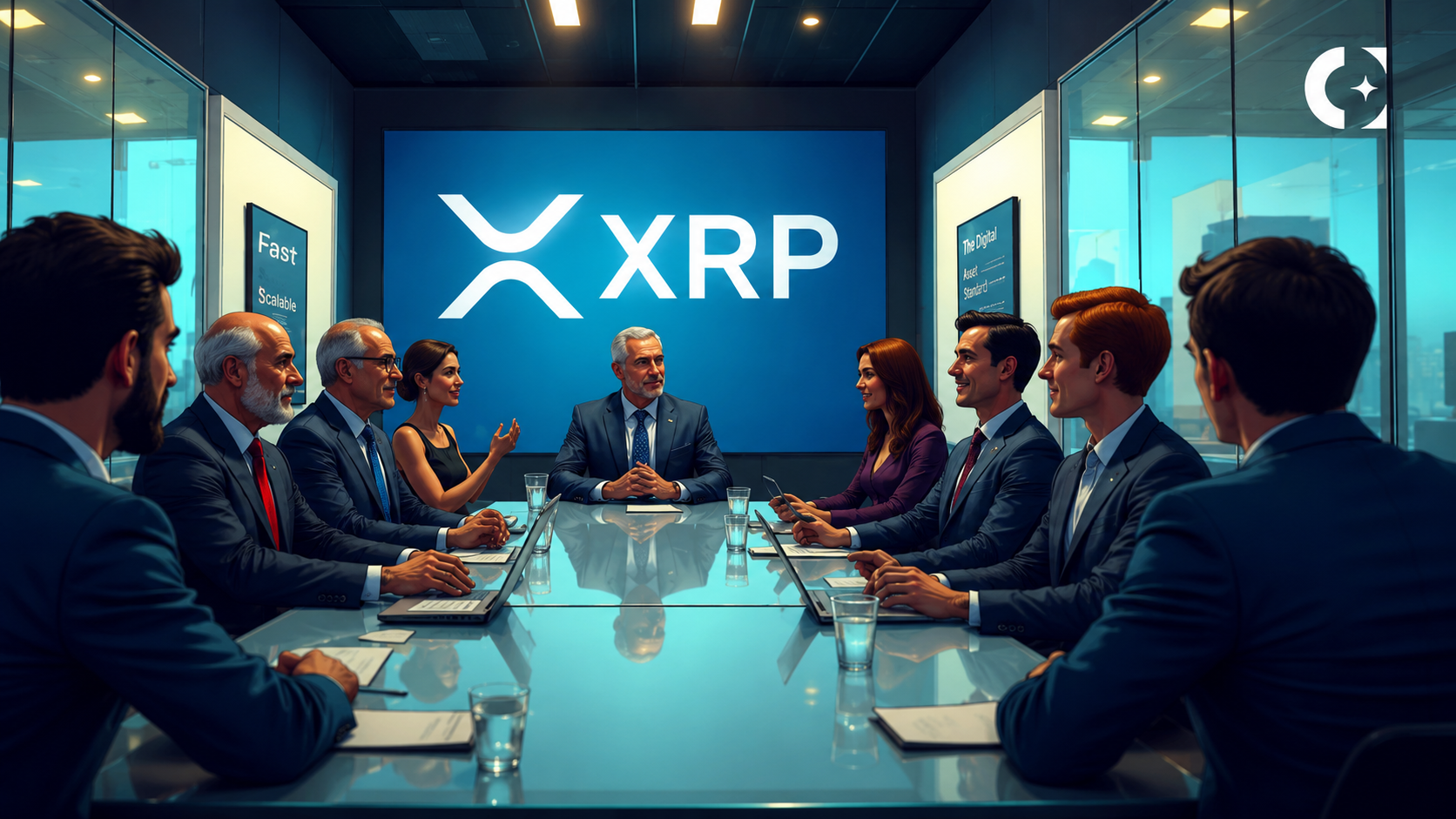

- Whale composition has become a crucial metric for XRP traders studying the market.
- Using data from the XRPL and XRPScan to rank holders has several limitations.
- It is nearly impossible to ascertain the actual composition and ranking of XRP holders.
XRP has become one of the most discussed cryptocurrencies over the past few years. Coming out of its protracted regulatory obstacle has left the crypto’s proponents feeling that it has significant underlying potential to fulfill.
As such, XRP users in the current dispensation are reviewing various metrics and information that could affect the cryptocurrency’s price movement, particularly amid the ongoing regulatory adjustments across multiple jurisdictions.
XRPL and XRPScan Limitations
One factor that XRP users consider closely is the cryptocurrency’s whale composition. Such whales typically influence markets by their actions, often dictating the dominant market sentiment. That is why XRP users first try to identify such whales before investigating their behavior.
A crucial aspect of this process is identifying the whales in the XRP ecosystem. Unlike most popular crypto networks, XRP’s unique structure makes it a bit more complex to identify the proper whale ranking in the network. For instance, XRP Ledger and XRPScan do not filter out unspendable tokens, such as those held in Ripple’s escrow. Besides, the information extracted from these platforms accounts for approximately 0.1% of the entire network.
Why It’s Difficult to Know XRP’s Actual Holders’ Distribution
Despite acknowledging the limitations of the regular “Rich List” ranking methods used for XRP, it is worth noting that getting the actual ranking is difficult due to certain underlying factors, including privacy designs, institutional storage methods, and data limitations.
Considering pooled funds, it is crucial to note that centralized exchanges typically group user deposits into a single massive wallet, such that the wallet could represent millions of individual retail investors. Note that trades within these exchanges occur in private wallets, not on the blockchain.
Ripple Labs and the XRPL Ranking Model
As mentioned earlier, Ripple Labs controls billions of XRP in cryptographic escrows. The firm operates a program that unlocks 1 billion XRP monthly, with unused amounts re-escrowed. Standard “Rich Lists” often misclassify such holdings without considering the intricate aspects.
The XRPL ranking model limitation involves using alphanumeric strings to identify addresses. Typically, creating an on-chain wallet requires no personal verification. Therefore, wealthy XRP holders could spread their assets across dozens of addresses for privacy purposes.
Meanwhile, institutional companies, such as Anchorage or BitGo, hold assets for institutional clients and cannot be directly involved in the “Rich List” ranking. Privacy protocols split and blend transactions to break tracing trails, while smart contracts lock up XRP, masking the true owners of the liquidity.
Related: SBI CEO Yoshitaka Kitao Corrects $10B XRP Holding Rumors
Disclaimer: The information presented in this article is for informational and educational purposes only. The article does not constitute financial advice or advice of any kind. Coin Edition is not responsible for any losses incurred as a result of the utilization of content, products, or services mentioned. Readers are advised to exercise caution before taking any action related to the company.