

- Jakarta Composite Index fell over 11%, the steepest one-day drop since 1998, after an MSCI downgrade warning.
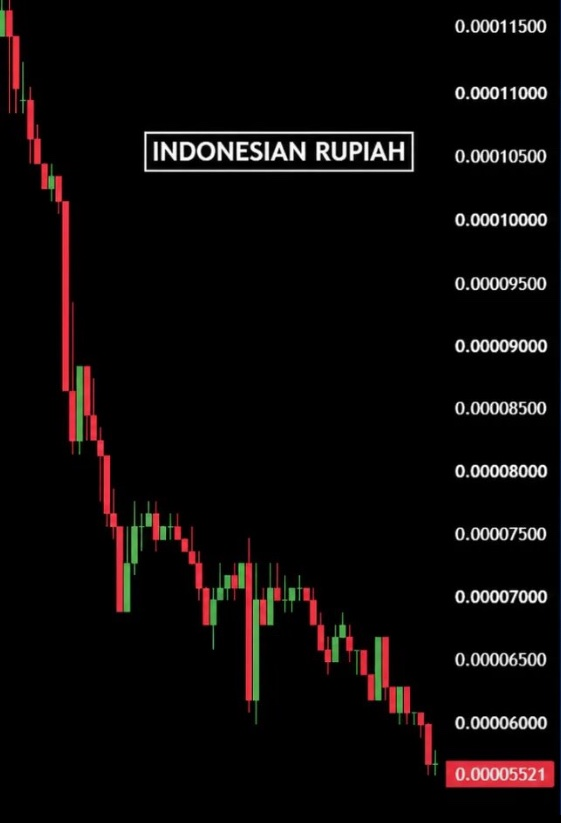
- Major bank stocks fell nearly 15%, rupiah hit 18,070/USD near a record low, and the index fell nearly 40% YTD.
- MSCI will continue consultations through April 30, 2027, with a final decision expected by June 30, 2027.
Indonesia’s benchmark Jakarta Composite Index (JCI/JKSE) fell more than 11% on October 16, 2026, after global index provider MSCI Inc. (Morgan Stanley Capital International) issued a downgrade warning.
The sharp sell-off raises concerns about foreign capital outflows and further pressure on the Indonesian rupiah (IDR), raising questions about whether it signals a deeper loss of investor confidence or creates opportunities for investors willing to accept higher risk.
Indonesia Stock Market Suffers Biggest Crash Since 1998
According to sources, Indonesia’s stock market has recorded its steepest single-day drop for Indonesian equities since the Asian Financial Crisis in January 1998, nearly three decades ago, wiping out about $60 billion.
The JCI plunged more than 11%, with intraday losses reaching as high as 11.57%, losing 678 points to close at 5,185. The benchmark opened down about 8%, triggering an automatic trading halt and erasing nearly 40% of its 2026 value.
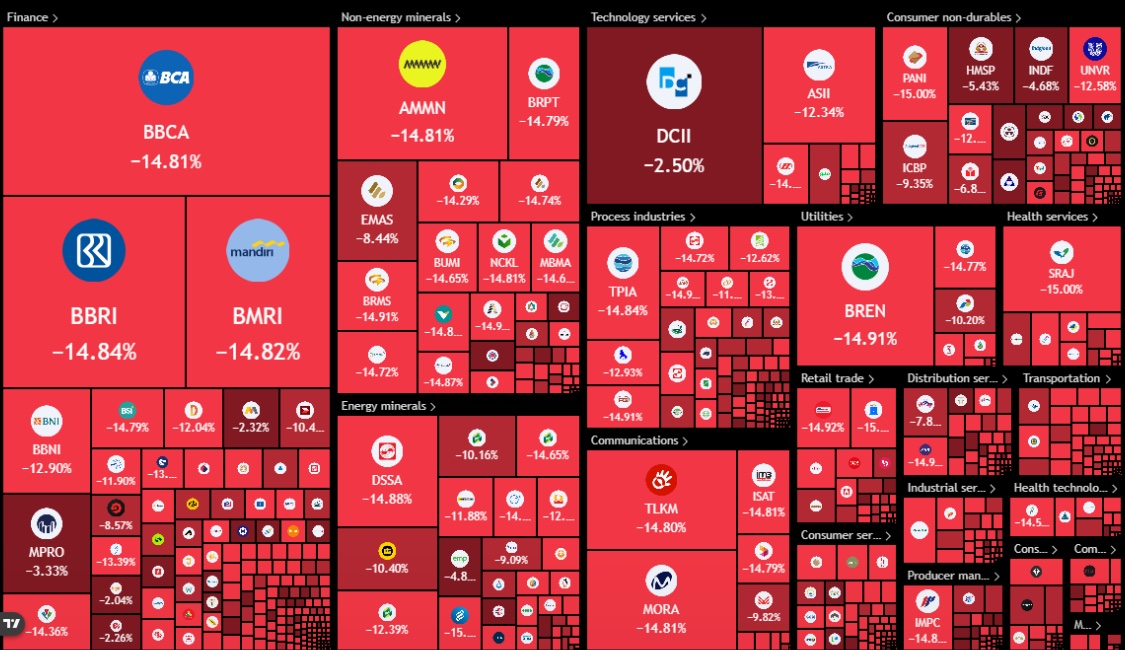
Furthermore, major banking stocks, including Bank Central Asia, Bank Rakyat Indonesia and Bank Mandiri, fell sharply by nearly 15%. At the same time, the IDR weakened sharply to 18,070 per US dollar, creeping closer to its all-time low of 18,190.
Why Is Indonesia’s Stock Market Crashing?
The main driver was news from MSCI, the global index provider that guides trillions of dollars in investments. MSCI stated that Indonesia’s continued categorisation as an emerging market was no longer suitable, and initiated formal consultations for reclassifying the country to standalone market status.
Meanwhile, this is a more aggressive move than earlier MSCI concerns in 2026, which resulted in the suspension of some MSCI index changes and cautioned of a possible downgrade to frontier-market status. As a standalone, Indonesia would be excluded from emerging and frontier-market indexes, a category that includes countries like Argentina and Lebanon.
In addition, MSCI cited persistent problems with market investability. These include continued opaque shareholding structures, suspected co-ordinated trading activity, which undermines price discovery, and a lack of evidence.
Although regulatory changes were announced by Indonesian authorities, there was still a lack of evidence of real improvements in market transparency and enforcement. Market participants told MSCI that frontier designation would not even come close to capturing the magnitude of these problems.
What Does the MSCI Downgrade Warning Mean for Investors?
The consultation process will continue through April 30, 2027, and MSCI expects to decide by June 30, 2027. Existing freezes on certain Indonesian securities in MSCI indexes remain in place. While the reclassification is not yet final, launching the process was enough to trigger heavy selling.
Meanwhile, if MSCI ultimately grants standalone status, passive funds tracking the MSCI Emerging Markets Index and related products could be forced to sell Indonesian holdings. Estimates of potential passive outflows range anywhere from about $3 billion to $4 billion, while active managers could potentially add further selling pressure that some analysts put in the low- to mid-teens of billions of dollars.
The forced equity sales by foreign investors are already estimated at around $4.7 billion in 2026, so further forced equity sales could compound the existing pressure on equities and the rupiah. Large-capitalisation stocks and strong foreign investor participation, especially big banks, are the most vulnerable in the short term. Market liquidity could also narrow, with the currency potentially continuing to weaken if outflows increase.
As such, the October 16 crash has brought longstanding concerns about market integrity into sharp focus. Whether this leads to sustained outflows or proves to be a short-term overreaction will depend on the reforms proposed through the consultation process.
Related: SEBI Panel Backs 30-Minute VWAP for F&O Expiry: Why Indian Traders Still Face Closing-Price Risk
Disclaimer: The information presented in this article is for informational and educational purposes only. The article does not constitute financial advice or advice of any kind. Coin Edition is not responsible for any losses incurred as a result of the utilization of content, products, or services mentioned. Readers are advised to exercise caution before taking any action related to the company.