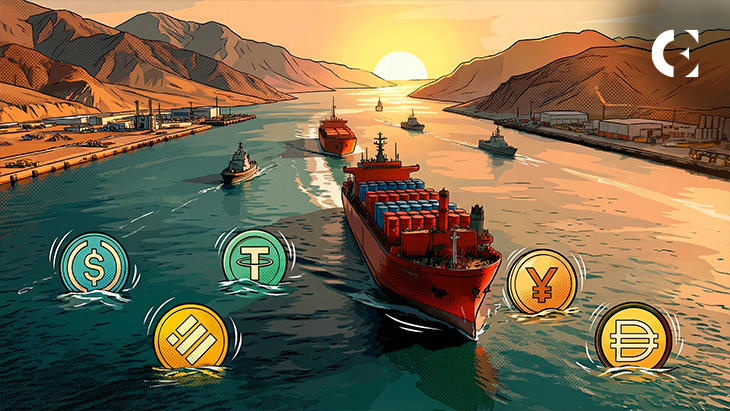

- Iran launched Hormuz Safe with Bitcoin settlements for Gulf maritime insurance coverage.
- Hormuz Safe aims to reduce reliance on SWIFT during rising Gulf shipping tensions.
- Shipping insurance costs rose as tensions escalated near the Strait of Hormuz.
Iran has launched a state-backed maritime insurance platform called Hormuz Safe, introducing a cryptocurrency-based settlement system for vessels operating through the Persian Gulf and the Strait of Hormuz.
According to Iranian state-linked reports, the platform will allow shipping operators to obtain maritime insurance coverage using Bitcoin and other digital assets as payment methods. The project is reportedly supported by Iran’s Ministry of Economic Affairs and aims to reduce dependence on SWIFT and Western financial intermediaries amid rising regional tensions and shipping disruptions.
Sources described Hormuz Safe as Iran’s sovereign-backed insurance mechanism for ships seeking coverage while transiting Gulf waterways. Iranian officials reportedly stated that the platform provides digitally verified insurance certificates, encrypted authentication systems, and quick processing for vessels operating in strategic maritime corridors linked to the Strait of Hormuz.
Iran Expands Financial Infrastructure Around Hormuz
According to reports, Iranian economic authorities have been working since early May on a broader maritime management strategy tied to shipping activity in Hormuz. The reported system includes insurance services, financial liability guarantees, and maritime certification systems connected to commercial vessel traffic in the region.
Iranian media estimates suggested the platform could eventually generate more than $10 billion in revenue if it secures a large share of the Gulf shipping insurance market. However, no independent verification of those projections has been released.
The launch comes during an ongoing maritime and geopolitical crisis following the conflict involving Iran, the United States, and Israel that began on Feb. 28. Since then, maritime activity around the Strait of Hormuz has faced growing operational pressure, while shipping insurers and vessel operators continue to monitor security risks across the Gulf.
Shipping and Sanctions Concerns Remain
The Strait of Hormuz remains one of the world’s energy transit routes, handling nearly 20% of global oil and liquefied natural gas shipments. In recent weeks, several oil tankers were reportedly stranded, insurance premiums increased, and global energy prices experienced heightened volatility.
Bloomberg reported that U.S. naval forces redirected or blocked several commercial vessels near the Gulf, including a Greek-operated tanker transporting nearly 2 million barrels of Iraqi crude oil to Vietnam. Ship-tracking data showed that some Chinese and Iranian-linked vessels continued sailing across parts of the Strait despite increasing restrictions.
Related: Crypto Markets Face Fresh Risk as Iran Targets Hormuz Shipping
Disclaimer: The information presented in this article is for informational and educational purposes only. The article does not constitute financial advice or advice of any kind. Coin Edition is not responsible for any losses incurred as a result of the utilization of content, products, or services mentioned. Readers are advised to exercise caution before taking any action related to the company.