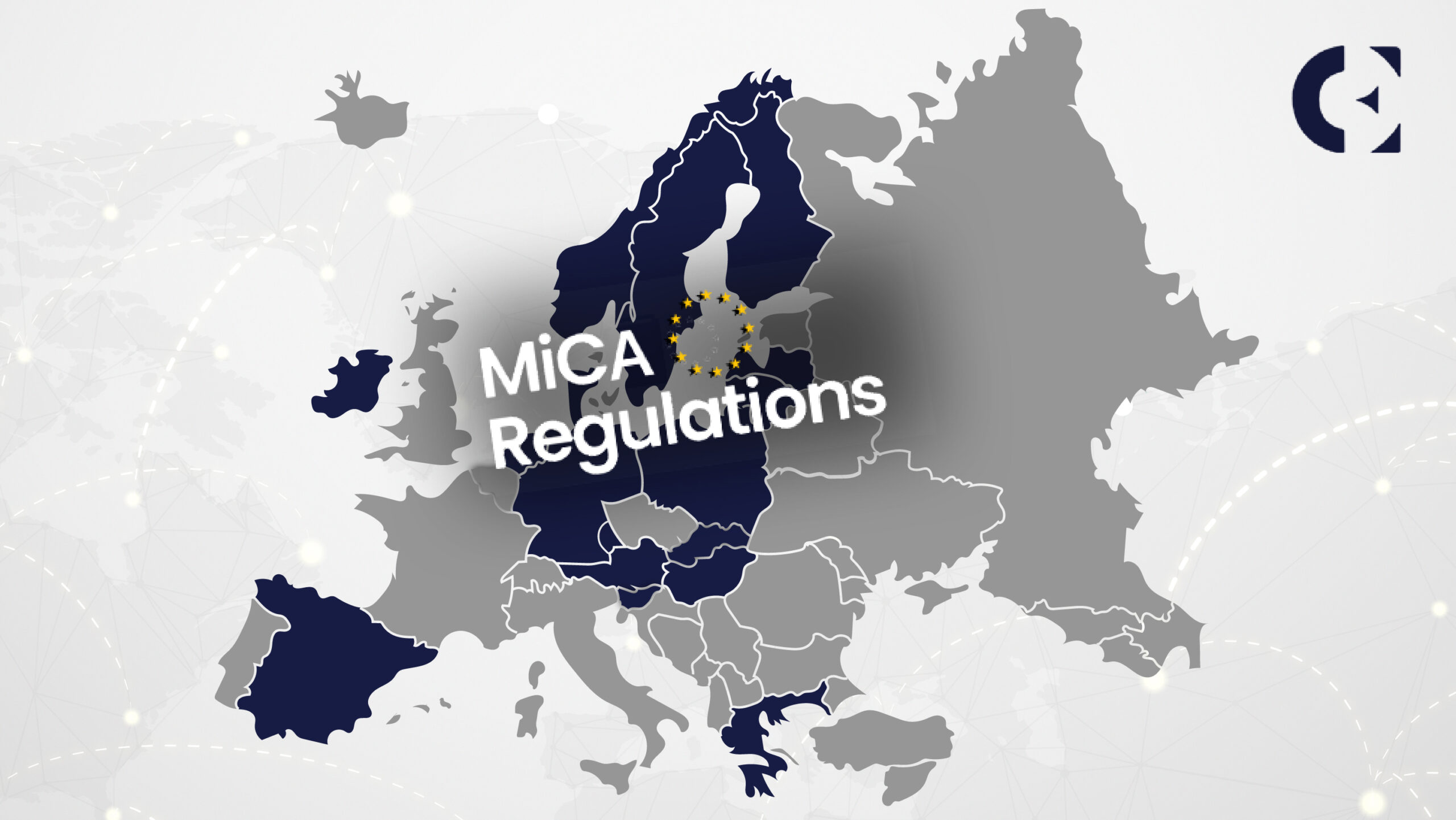

- MiCA has a requirement to keep 30% to 60% of reserves in bank deposits.
- Euro stablecoins are now some of the safest, most regulated digital assets in the world.
- However, they account for less than 1% of the global stablecoin market.
A new report says the EU’s landmark crypto regulation, MiCA (Markets in Crypto-Assets Regulation), is making euro stablecoins much safer, but it’s also hurting their competitiveness.
It states that MiCA has rolled out some of the strictest stablecoin rules in the world. This includes 100% reserve backing requirements and no interest payments to holders. There’s also a requirement to keep at least 30% of reserves in bank deposits, up to 60% for the biggest stablecoin issuers.
These rules aim to keep stablecoins from acting like shadow banks and to protect users from crashes and liquidity freezes. Additionally, the rules guarantee redeemability at all times. As a result, euro stablecoins are now some of the safest, most regulated digital assets in the world.
However, despite improved safety, euro stablecoins are struggling to gain traction.
They account for less than 1% of the global stablecoin market, which is considerably less than the euro’s share in traditional global finance.
Why MiCA Weakens Competitiveness
The report says the gap comes down to MiCA’s tight rules, which make euro stablecoins less profitable for issuers, less appealing to users, and less competitive than dollar‑backed ones.
For starters, there’s no yield in a high-interest environment. Dollar stablecoins can tap into yield strategies indirectly, but euro stablecoins can’t pass any returns to users, putting them at a real disadvantage.
Additionally, MiCA forces most reserves to sit in bank deposits, leaving little room for flexibility. That eats into capital efficiency and shrinks profit margins for stablecoin issuers.
What’s more, MiCA comes with strict licensing and other requirements. For instance, issuers need a license and face constant oversight. As such, they need to pay steep compliance costs.
Some estimates show smaller firms could burn up to 15% of their revenue on compliance, which only pushes the market toward bigger, more established companies.
EU officials have started talking about a “MiCA 2.0” revision, but the EBA (European Banking Authority) has warned that tweaking the technical rules could water down security and open the door to more arbitrage.
As it stands now, Europe’s cautious stance stands in contrast to other major markets. In the US, laws like the GENIUS Act aim to ramp up stablecoin use, while the UK is weaving stablecoins into its financial system more flexibly.
Related: EU MiCA Crypto Framework Set for Review as Crypto Market Evolves
Disclaimer: The information presented in this article is for informational and educational purposes only. The article does not constitute financial advice or advice of any kind. Coin Edition is not responsible for any losses incurred as a result of the utilization of content, products, or services mentioned. Readers are advised to exercise caution before taking any action related to the company.