
- Bessent said the US and Iran might reach a deal by Tuesday or Wednesday.
- Just the comment alone was enough to push Brent crude down about 4% on August 4.
- BTC’s path forward would likely hinge more on global cash flow or interest rate forecasts.
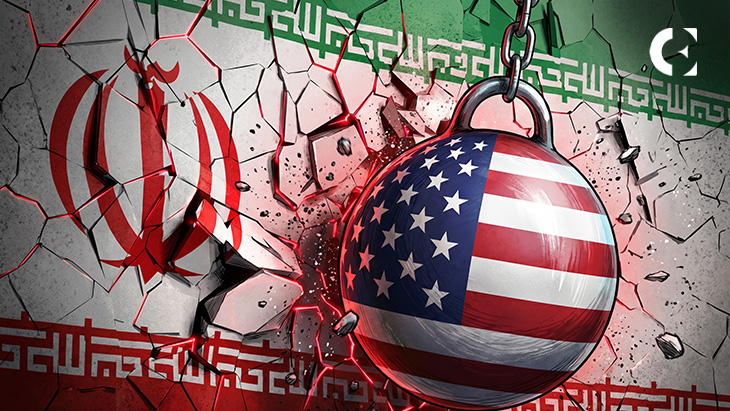
Speaking to CNBC on August 4, US Treasury Secretary Scott Bessent said the U.S. and Iran could reach an agreement as early as Tuesday or Wednesday to restore commercial navigation through the Strait of Hormuz. However, no deal has been finalized, and negotiations remain subject to change.
According to Bessent, if the shipping lane reopens, vessels that have been waiting nearby can get moving again, which should help stabilize energy prices.
Still, investors need to remember that negotiations remain uncertain, as Iranian officials have already challenged the idea that they’re in direct talks with the US, and it wouldn’t be the first time US-Iran talks failed.
Considering that the Strait of Hormuz is among, if not the most important, energy choke points on the planet, the constant opening and closing is adding huge uncertainty to global markets, crypto included.
Oil Already Showed Signs of Reaction
In case what Bessent said turns out to be true, oil is probably the first thing that will react in a big way. Markets tend to trade on expectations, and if traders think the supply crunch is ending, the risk premium tied to geopolitics should fade. Additionally, shipping insurance costs start to ease, and expectations for future supplies go up.
In fact, just the hope of a deal was enough to push Brent crude down about 4% on August 4, wiping out earlier gains after Bessent’s comments and word from regional mediators (Qatar).
If a durable agreement restores normal shipping through the Strait of Hormuz, oil prices could remain under pressure as geopolitical risk premiums ease. However, any breakdown in negotiations or renewed disruptions could quickly reverse those gains.
Stock Markets May Benefit, Gold May Not
When oil prices fall, inflation usually takes a hit too, which is good news for manufacturers, airlines, shipping companies, retailers, and everyday consumers. Cheaper energy also tends to give a boost to corporate profit margins.
That’s a big reason US stock futures jumped after Bessent spoke, with the Dow Jones Industrial Average set to open about 600 points higher on renewed hopes for diplomacy.
Equity markets often respond positively to signs of easing geopolitical tensions, as lower energy costs can improve corporate earnings expectations and reduce inflation risks. However, investors will likely wait for concrete progress before fully pricing in a sustained recovery.
As for gold, it has traditionally benefited during periods of geopolitical uncertainty, as investors often seek safe-haven assets. If tensions ease and confidence improves, some of that demand could weaken, encouraging a shift toward equities and other risk assets.
However, gold is also influenced by Treasury yields, the U.S. dollar, inflation expectations, central-bank purchases, and the durability of any agreement. As a result, easing tensions may reduce one source of support for gold without necessarily triggering a sustained decline.
What About Bitcoin and Crypto?
Bitcoin’s reaction is likely to be less straightforward than that of traditional assets. While improving market sentiment could support cryptocurrencies as risk assets, Bitcoin also attracts investors seeking an alternative store of value during periods of uncertainty. Which narrative dominates will depend on broader macroeconomic conditions, including liquidity, interest-rate expectations, and institutional flows.
Related: How Crypto Became Part of an Alleged Iran Gambling Network
Interestingly, earlier this year, Binance Research released a report titled “The Impact Mechanism of Oil Prices on Bitcoin.” After studying multiple oil price shocks (including Middle East geopolitical events), the report concluded that these events typically make Bitcoin more volatile in the short run, but they don’t reliably determine Bitcoin’s long-term price trajectory.
Other factors such as ETF flows, regulations, exchange failures, and leverage matter a lot more for Bitcoin’s long-term direction.
Main Risk is that Markets May Move on Headlines Alone
A key consideration here is that markets are often driven by expectations and not confirmed outcomes. As such, investors and traders should be careful how they proceed, since several uncertainties remain.
For instance, Iran has publicly denied that direct negotiations are even taking place. Additionally, maritime incidents continue to occur in and near the Strait, and any potential deal would have to show lasting stability before markets truly move past the risk.
Until a formal agreement is reached and commercial shipping resumes without disruption, markets are likely to remain highly sensitive to headlines. Oil, equities, gold, and cryptocurrencies could continue to experience sharp short-term swings as investors reassess the likelihood of a lasting resolution in the region.
Related: U.S. Sanctions Iranian Firms Over Bitcoin-Paid Hormuz Insurance
Disclaimer: The information presented in this article is for informational and educational purposes only. The article does not constitute financial advice or advice of any kind. Coin Edition is not responsible for any losses incurred as a result of the utilization of content, products, or services mentioned. Readers are advised to exercise caution before taking any action related to the company.